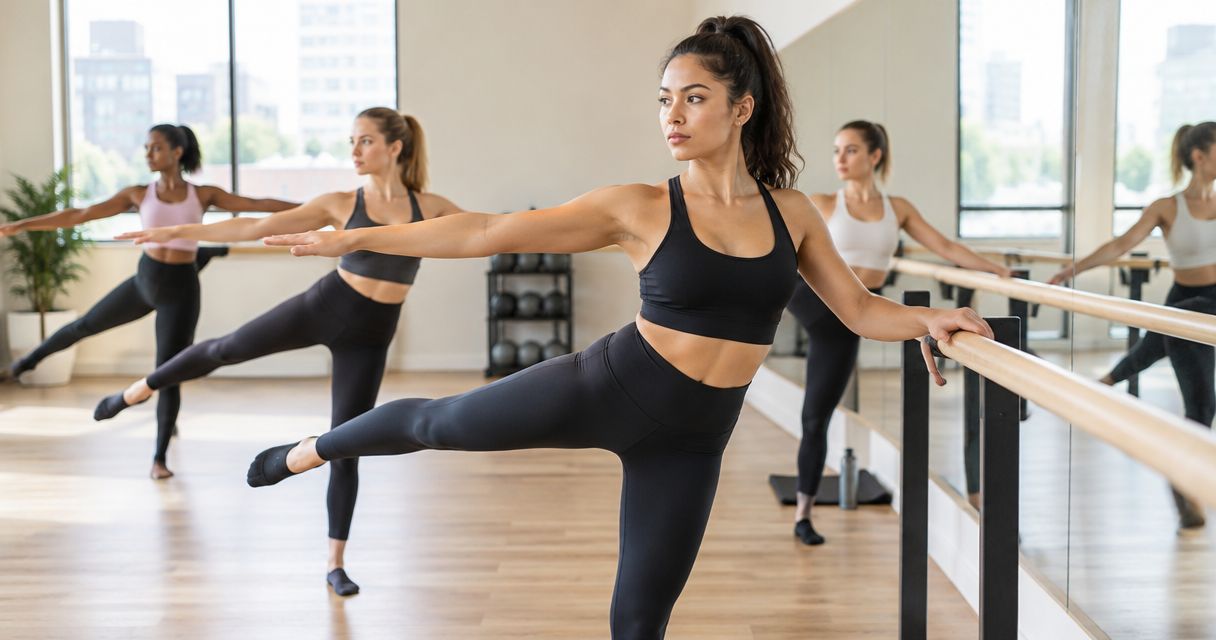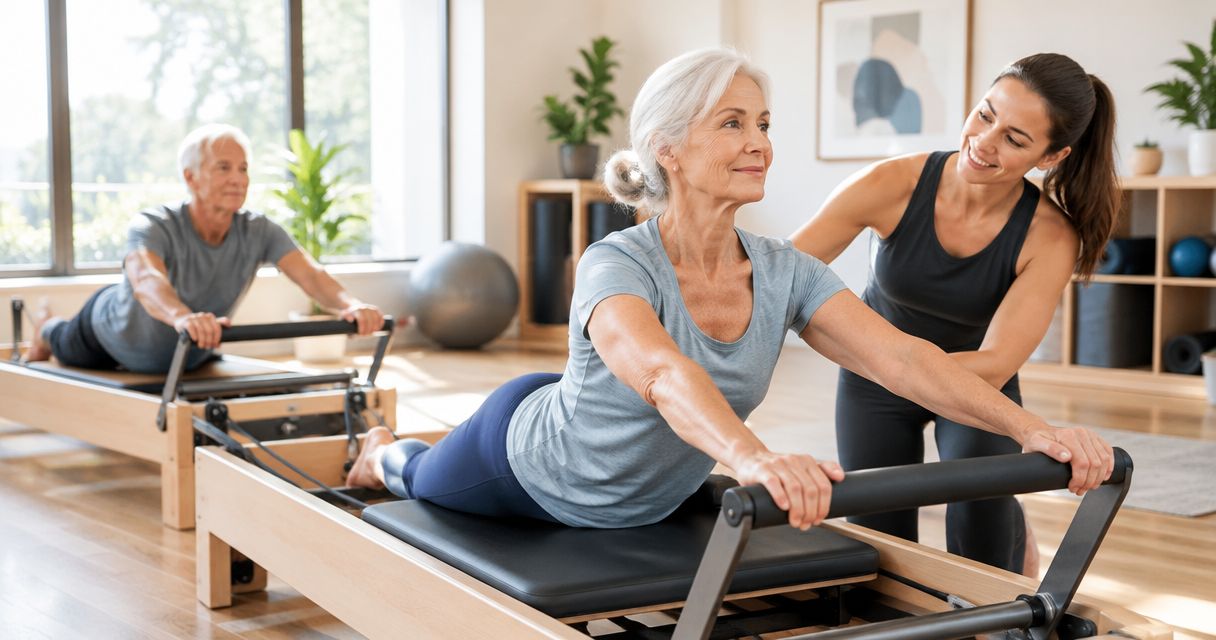
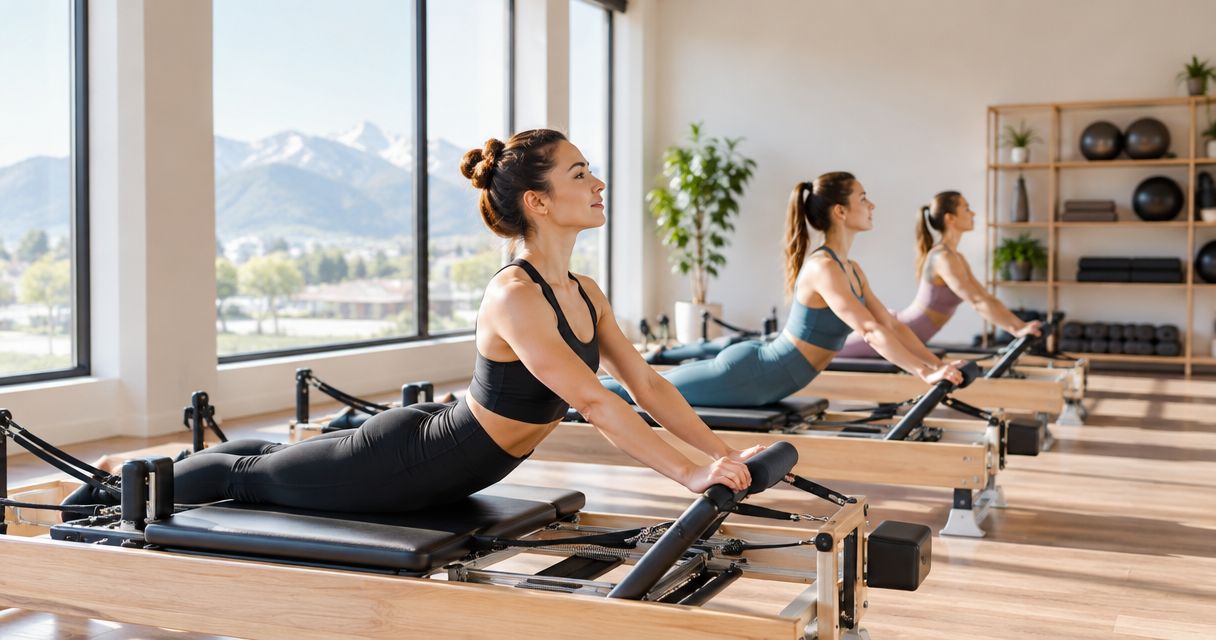
Best for equipment-based Pilates: Reformer Pilates. Best for a heated Pilates workout: Hot Pilates. Best ballet-inspired alternative: Barre. This 2026 guide helps you choose a first class in American Fork, with Unifiedhotyoga offering these formats alongside Vinyasa, Yin and 26&2 yoga for all skill levels.
- For pilates american fork searches, choose Reformer Pilates for apparatus-based movement or Hot Pilates for a heated workout.
- Unifiedhotyoga offers Pilates and yoga for all skill levels in American Fork.
- Barre is a ballet-inspired alternative, not another name for Pilates.
- Choose by class format, heat preference and practical schedule fit before considering a membership.
Why this matters
Searching for Pilates in American Fork brings up a decision that matters more than a ranked studio name: which kind of class do you actually want? A reformer, a heated exercise room and a ballet barre create different experiences.
Unifiedhotyoga is best for American Fork beginners who want Pilates and yoga options at one studio. Its class mix includes Reformer Pilates, Hot Pilates, Barre, Vinyasa, Yin and 26&2. Choose the format first, then check the current class description rather than assuming every session works the same way.
This guide ranks class formats by their distinct uses. It is not a review-score ranking of competing studios, and the order does not mean a heated workout is better than an unheated one.
What makes the best Pilates class?
Use these criteria when choosing your 2026 class:
- Movement format: Decide whether you want apparatus-based Pilates, heated Pilates, ballet-inspired exercise or yoga.
- Heat preference: Treat room conditions as a separate choice from exercise difficulty. Confirm them for the specific session.
- Newcomer instruction: Ask how the instructor introduces equipment, explains movements and offers alternatives.
- Practical fit: Choose a location and class time you can realistically reach from home or work.
- Preparation requirements: Confirm what to bring, what the studio provides and whether footwear or socks are required.
- Repeatability: Favor a class you want to return to, not the one that sounds toughest.
American Fork class options at a glance
The first two choices are Pilates formats. Barre and the yoga styles are alternatives for readers who discover that their preferred movement experience is different from Pilates.
| Rank and class | Best for | Defining feature | Key limitation |
|---|---|---|---|
| 1. Reformer Pilates | Apparatus-based Pilates | A moving carriage and spring resistance | Equipment introduces an extra learning task |
| 2. Hot Pilates | Pilates in a heated setting | Pilates-based exercise with environmental heat | Heat adds a consideration beyond movement difficulty |
| 3. Barre | Ballet-inspired exercise | Barre-supported work and controlled repetitions | Barre is not a Pilates class |
| 4. Vinyasa | Flowing yoga practice | Movement coordinated with breath | It does not teach reformer technique |
| 5. Yin | Longer-held yoga positions | Sustained positions rather than continuous flow | It is not a substitute for Pilates resistance work |
| 6. 26&2 | A recurring yoga sequence | A defined sequence of postures and breathing exercises | Less sequence variety than a changing flow class |
1. Reformer Pilates: best for apparatus-based movement
Reformer Pilates uses a spring-based apparatus with a moving carriage. Depending on the exercise, springs provide resistance or assistance; learning to control the carriage is part of the practice.
This is the clearest choice when you specifically want to learn Pilates on equipment. Tell the instructor that you are new before attempting unfamiliar adjustments or setups.
Reformer Pilates pros:
- Offers an equipment-based movement experience.
- Uses spring resistance across different exercises.
- Provides a distinct option from mat-based practice.
Reformer Pilates cons:
- Equipment setup takes attention alongside movement instructions.
- A reformer class is not automatically easy because some exercises happen lying down.
Best for: You want apparatus-based Pilates and are willing to learn the equipment.
Verdict: Choose Reformer Pilates for the reformer experience—not because equipment guarantees better results.
2. Hot Pilates: best for a heated Pilates workout
Hot Pilates combines Pilates-based exercise with a heated environment. The class name establishes the heat component, but you should confirm the session's movements, equipment and pace before booking.
Choose it because you want that setting, not because sweating proves that a workout is more effective. Room temperature and exercise difficulty are different considerations.
Hot Pilates pros:
- Combines Pilates-based movement with heat.
- Suits readers who actively prefer heated exercise.
- Offers a different experience from apparatus-based Pilates.
Hot Pilates cons:
- Heat introduces an additional physical demand.
- The name alone does not establish the exact exercise sequence.
Best for: You want Pilates-based exercise and feel comfortable choosing a heated setting.
Verdict: Choose Hot Pilates when heat is part of your preference; skip it when heat is the obstacle.
3. Barre: best for a ballet-inspired alternative
Barre draws on ballet-inspired positions and controlled exercise, often using a barre for support. You do not need to confuse it with Pilates to include it in your decision.
Barre deserves consideration if the movement style interests you more than learning a reformer. Ask about the specific class's balance demands and exercise alternatives.
Barre pros:
- Offers ballet-inspired movement without being a dance performance.
- Includes controlled repetitions and positional work.
- Gives you an alternative to Pilates equipment.
Barre cons:
- It does not teach reformer skills.
- Repeated small movements are not automatically comfortable for every joint.
Best for: You prefer ballet-inspired exercise to a Pilates apparatus.
Verdict: Choose Barre for its own movement style, not as an interchangeable Pilates class.
4. Vinyasa: best for flowing yoga
Vinyasa coordinates movement with breathing and links poses into sequences. It fits a different goal from learning Pilates equipment: practicing yoga through transitions and flow.
Unifiedhotyoga offers infrared-heated Vinyasa. Before your first session, ask about pacing and how to follow the class when a transition is unfamiliar.
Vinyasa pros:
- Connects breathing with movement.
- Offers a flowing rather than apparatus-based practice.
- Includes transitions as part of the experience.
Vinyasa cons:
- Following a sequence adds a learning demand.
- Heated Vinyasa requires a separate decision about heat tolerance.
Best for: You want moving yoga rather than Pilates.
Verdict: Choose Vinyasa for flow; skip it if your priority is learning reformer technique.
5. Yin: best for a longer-held yoga practice
Yin uses longer-held positions rather than continuous movement between poses. It is a different choice from both flowing yoga and Pilates exercise.
A slower pace does not mean you should push further into a position. Ask for an alternative when a shape feels unsuitable, and distinguish stretching sensation from pain.
Yin pros:
- Offers a less continuously moving practice.
- Gives you time to attend to individual positions.
- Provides an alternative to a flowing class.
Yin cons:
- Sustained positions can still feel demanding.
- It does not replace apparatus-based Pilates instruction.
Best for: You prefer sustained yoga positions to repeated exercise or flow.
Verdict: Choose Yin for its longer-held format, not as an easier version of Pilates.
6. 26&2: best for a recurring yoga sequence
The 26&2 format centers on 26 postures and 2 breathing exercises. Its recurring structure distinguishes it from classes built around changing sequences.
Choose this style when knowing the overall sequence appeals to you. Unifiedhotyoga offers infrared-heated 26&2; confirm the session details rather than assuming a duration from the format's name.
26&2 pros:
- Uses a defined, recurring sequence.
- Makes familiarity with the sequence part of your practice.
- Offers a structured alternative to flowing yoga.
26&2 cons:
- The repeated sequence offers less variety.
- Heat remains a separate consideration from familiarity.
Best for: You want a recognizable yoga sequence each time.
Verdict: Choose 26&2 for repetition and structure, not for Pilates instruction.
How to prepare for your first class
For your first visit in 2026, start with the current class schedule. Read the session name carefully, then confirm any equipment, room-condition or newcomer questions with the studio before you book.
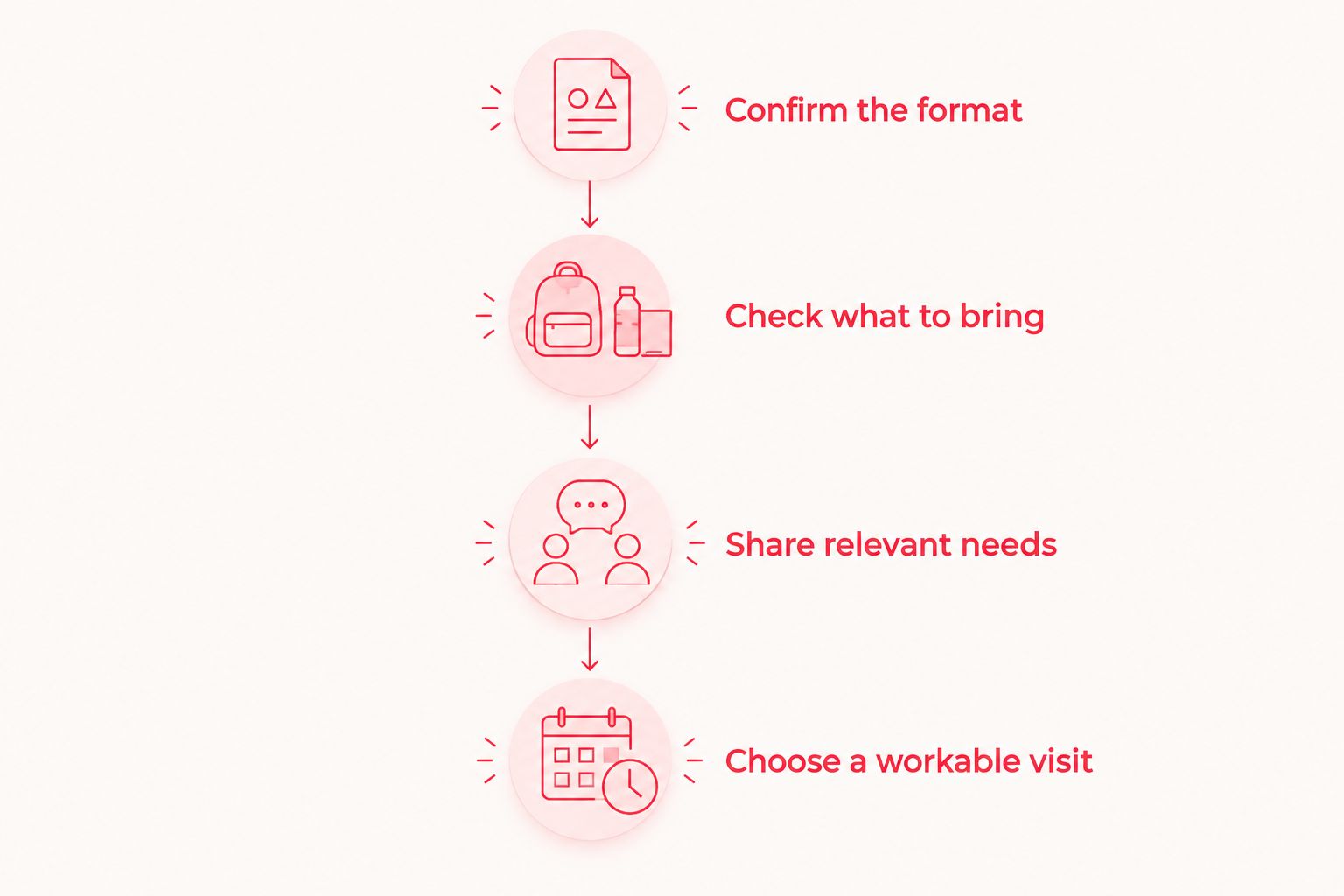
Confirm the format
Ask whether the session matches the experience you want. Reformer Pilates, Hot Pilates and Barre are not alternate labels for the same workout, and a studio's all-skill-levels approach does not remove the need to explain that you are new.
Check what to bring
Bring water and clothing that lets you move comfortably. Ask whether you need your own mat, a towel or particular socks; do not assume that equipment is supplied or that every class has the same requirements.
Share relevant needs
Tell the instructor about unfamiliar equipment and movements you need help adapting. If you have an injury, are pregnant or have a medical concern about heated exercise, seek individualized clinical guidance before choosing that environment.
Choose a workable visit
For a first visit, choose 1 class rather than planning an entire weekly routine. Leave room in your day for travel and the studio's check-in instructions, especially if you are coming from Lehi, Highland or Pleasant Grove.
Preparation is about reducing surprises, not proving readiness. You do not need to arrive already knowing the movements; you do need clear information about the class you booked.
How these classes are ranked
This 2026 ranking puts Pilates formats first because the query is about Pilates. Reformer Pilates takes the apparatus-based slot, while Hot Pilates takes the heated-workout slot; neither is presented as universally better.
Barre and yoga follow as distinct alternatives, ranked by movement preference rather than promised outcomes. The criteria are format, heat, newcomer instruction, practical fit, preparation and willingness to return—not invented test results or review scores.
Which Pilates class should you choose?
Choose Reformer Pilates if your main goal is to learn Pilates equipment. Choose Hot Pilates if you specifically want a heated Pilates-based workout. If neither description sounds appealing, consider Barre or a yoga format instead of forcing a Pilates choice.
Before choosing a membership, visit the studio's current Prices page and confirm which classes the option covers. Check booking and cancellation terms directly, too; a class you enjoy still needs to fit your routine.
Choose your first class
Compare the current class schedule, then confirm the session's newcomer requirements.
FAQ
What's the best Pilates class in American Fork for a beginner?
Choose Reformer Pilates if you want equipment-based Pilates, or Hot Pilates if you specifically want a heated workout. Unifiedhotyoga offers both for practitioners of all skill levels; ask which current session fits a first visit.
Is Reformer Pilates better than Hot Pilates?
Neither format is universally better. Reformer Pilates centers on apparatus-based movement, while Hot Pilates adds a heated environment to Pilates-based exercise; choose the experience you actually want.
What should I bring to my first Pilates class?
Bring water and comfortable clothing, then confirm the studio's requirements for your specific class. Ask about mats, towels and socks rather than assuming the same rules apply to every format.
Do I need to be flexible before starting Pilates?
You do not need to arrive with advanced flexibility to start learning Pilates. Tell the instructor you are new and ask for suitable movement options rather than forcing a range that feels wrong.
Are Barre and Pilates the same thing?
Barre and Pilates are different exercise formats. Barre uses ballet-inspired movement, while Reformer Pilates uses a spring-based apparatus; choose Barre because its style interests you, not because the names are interchangeable.
Are all classes at a hot yoga studio heated?
Do not assume every class is heated because the studio offers hot yoga. Confirm the room conditions for the specific Reformer Pilates, Barre or yoga session you plan to attend.
Where should I check membership details in 2026?
Check the studio's current Prices page and confirm which class formats a membership covers. Review booking and cancellation terms before choosing an option.
One last thing
After your first 2026 class, ask yourself a more useful question than how hard you worked: did you understand enough of the instruction to want another visit? Sweat, unfamiliar equipment and difficult movements do not measure whether the class fits you.
A welcoming community starts with room to ask questions. Choose the format where you can learn, communicate your needs and build a routine without treating every session as a test.