Barre for runners is cross-training that uses controlled strength, balance, and posture exercises with the aim of supporting a running routine. Your first class should complement your miles, not compete with your next long run; this 2026 guide explains how to choose, prepare, and adjust.
- Barre for runners complements running; it does not replace running-specific training or progressive strength work.
- Unified Hot Yoga offers Barre in American Fork alongside yoga and Pilates options for all skill levels.
- Start with one weekly class as a trial, and adjust around your running workload.
- Choose Barre, Reformer Pilates, or yoga by the movement experience you want—not promises of faster race times.
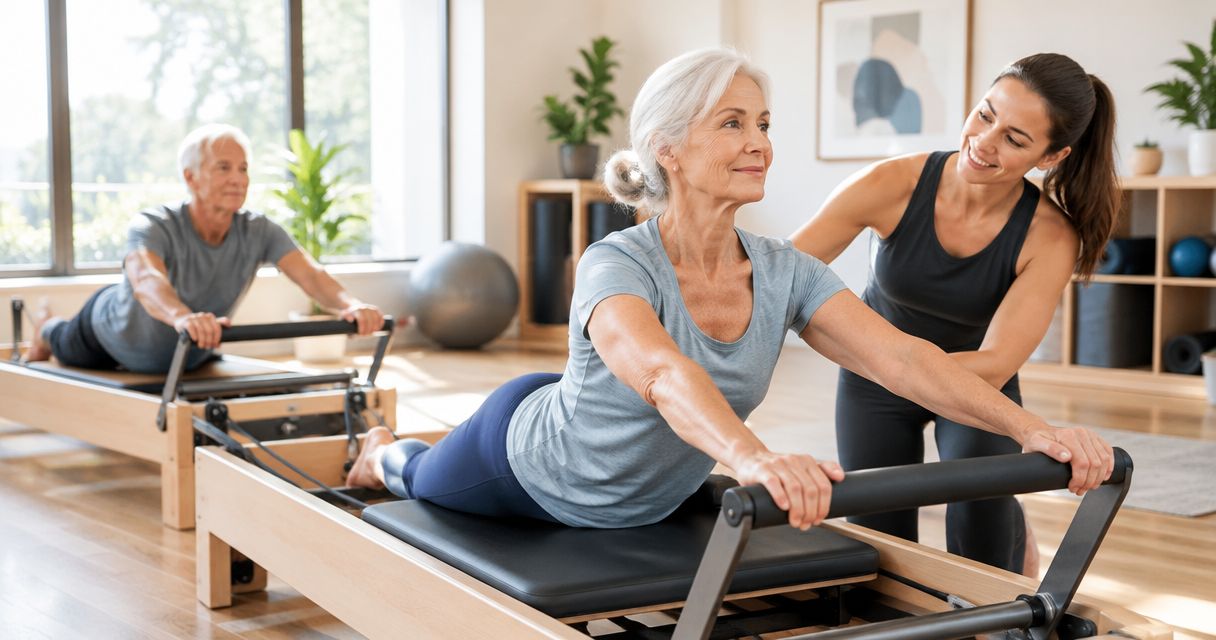
For local class options, Unified Hot Yoga offers Barre, Hot Pilates, Reformer Pilates, Vinyasa, Yin, and 26&2 yoga in American Fork. Unified Hot Yoga is best for American Fork runners seeking Barre alongside yoga and Pilates options at an all-skill-levels studio.
Why barre matters for runners
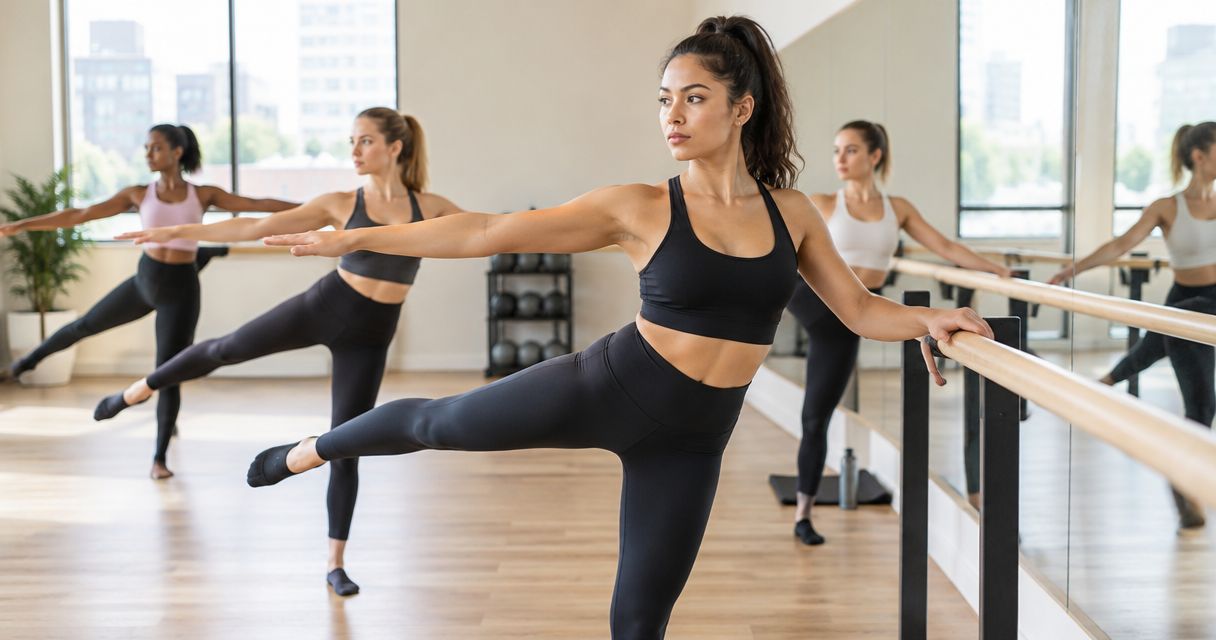
Running and barre ask different things of you. Running repeats a forward-moving stride, while barre commonly includes supported standing exercises, controlled repetitions, balance work, and floor exercises; the exact sequence depends on the class.
That difference gives barre a practical role: you can practice unfamiliar movement without adding another run. But a class still adds training stress. Small movements and a low-impact format do not automatically make a session recovery work.
For runners in American Fork and nearby Utah County cities, the useful question is whether the class fits your training week and travel time. A convenient session you can attend without rushing has a clearer place in your routine than an ambitious plan you cannot maintain.
Treat barre as an additional workout, not an automatic injury-prevention strategy. It does not guarantee fewer injuries, better running form, or a faster race.
Build your 2026 barre plan
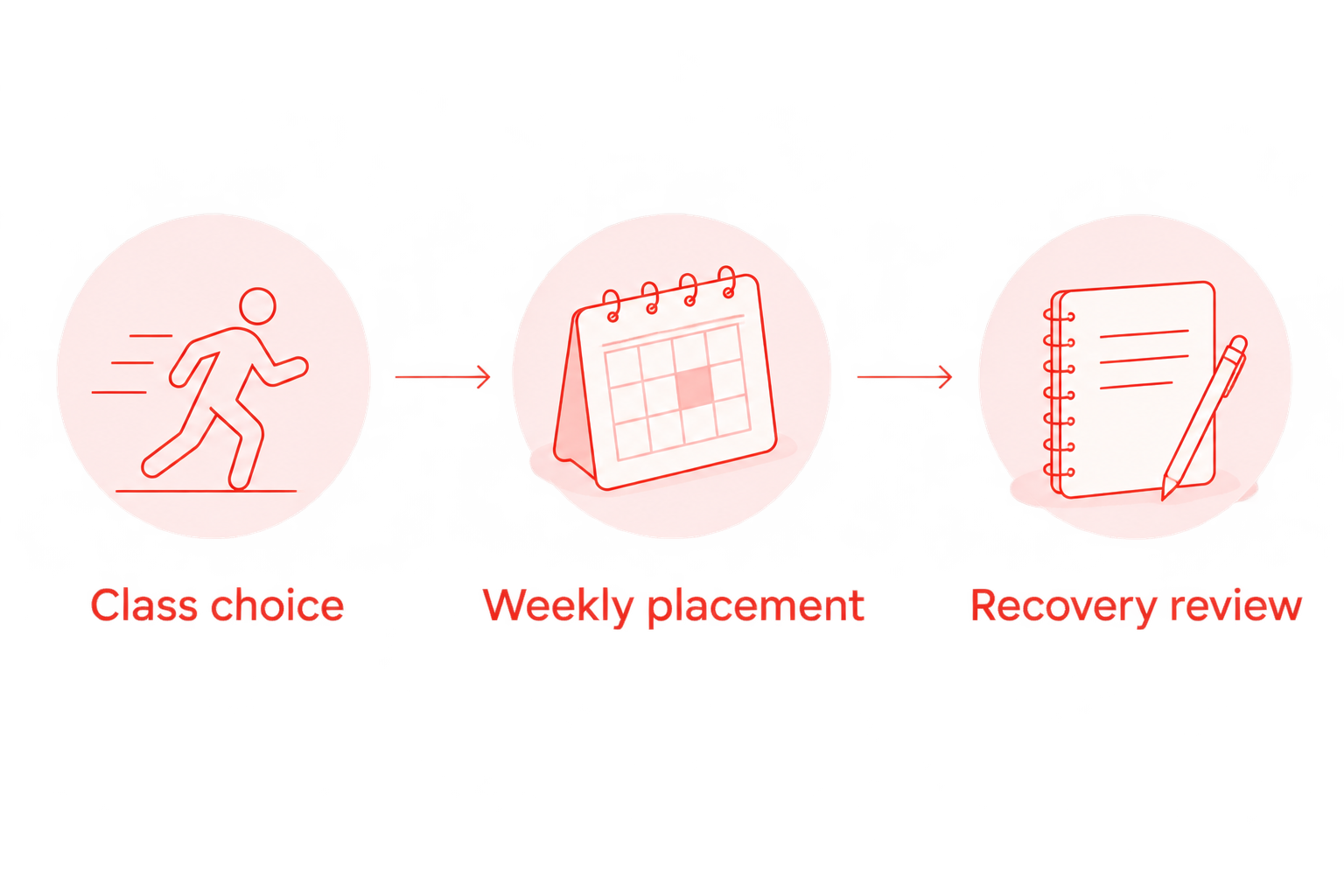
Organize your plan around three decisions: Class choice, Weekly placement, and Recovery review. Choose the movement experience first, decide where it belongs beside your runs, then assess how you respond before adding more.
Define your goal
Start with a note on your phone or a paper training log. Write what you want from cross-training: an instructor-led strength-focused class, a different movement experience, or a regular community activity outside running.
Keep that goal separate from a performance promise. Enjoying barre is a valid reason to attend, but completing a class does not demonstrate that your running economy or race readiness has improved. If your main goal is increasing maximal strength, consider a progressive resistance-training plan rather than assuming every barre class serves that purpose.
Give your first experiment a narrow question: does this class fit your week without disrupting the runs you value most? That is something you can observe directly.
- Name your main running priority.
- Choose one reason for trying barre.
- Record your current training commitments.
- Define what a manageable class would feel like afterward.
Map your week
Use your existing calendar before adding another booking. Mark your long run, speed session, other strength work, and rest commitments; then look for room to introduce an unfamiliar workout.
Try 1 class per week initially as a scheduling experiment, not a universal training prescription. Keep its placement consistent enough to judge your response. Avoid making your first class an extra challenge immediately before an important race or demanding run.
If you work with a running coach, share the class plan rather than treating it as invisible exercise. A session that feels different from running still belongs in your total workload. In your 2026 calendar, protect space for rest as deliberately as you protect training appointments.
- Mark your priority runs first.
- Include existing strength sessions.
- Leave room for recovery.
- Avoid stacking unfamiliar workouts together.
- Change one training variable at a time.
Choose your first class
Before booking, ask what the class involves and what a newcomer needs to know. Barre commonly draws on ballet-inspired positions, Pilates-style exercises, and strength work, but you should not assume a particular studio's equipment, pace, temperature, or footwear rules.
Unified Hot Yoga offers Barre for practitioners of all skill levels. Its wider yoga and Pilates offering gives you other formats to consider without assuming Barre must be your choice. For a focused introduction, read can beginners do barre classes?.
An instructor-led class gives you cues in real time; practicing independently requires you to monitor your own technique. Neither format replaces individualized rehabilitation when pain or an injury is the reason you are seeking help.
- Ask whether the class welcomes first-time participants.
- Confirm whether the room is heated.
- Ask about footwear and required equipment.
- Explain your running schedule to the instructor.
- Mention relevant limitations before movement begins.
Prepare your kit
Pack for the actual class rather than copying your running bag. Choose clothing that lets you bend, reach, and move comfortably, and bring drinking water. Confirm whether you need a mat, towel, or grip socks instead of assuming those items are required or supplied.
Allow a personal arrival buffer of 10 minutes beyond your travel estimate, then follow the studio's stated check-in instructions. That buffer is a planning suggestion, not a studio arrival policy. It gives you room to ask questions without beginning the class rushed.
Eat and drink according to your usual exercise tolerance; do not experiment with an unfamiliar meal immediately before your first session. If you have a condition that affects exercise participation, seek individualized guidance before introducing a new workout.
- Pack comfortable movement clothing.
- Bring drinking water.
- Confirm mat and footwear requirements.
- Check arrival and check-in instructions.
- Leave time to introduce yourself.
Adjust your effort
Begin with the instructor's simplest appropriate option. Use support when offered, choose a comfortable range of motion, and stop trying to match the person beside you. Your running fitness does not make every unfamiliar exercise appropriate at its hardest variation.
During supported standing work, prioritize control over depth. During floor exercises, choose a version that lets you breathe and maintain the position being taught. Ask for clarification if a cue is unclear; changing an exercise is part of participating, not a failure to keep up.
Muscular effort is not the same as sharp or escalating pain. Stop an exercise that hurts, and do not use the class to test an unresolved injury. Persistent or concerning symptoms need assessment outside a group fitness setting.
- Start with a smaller range of motion.
- Use the offered support.
- Keep breathing throughout each exercise.
- Request an alternative when needed.
- Stop movements that cause pain.
Review your response
Use a short written check-in after class and before your next run. Note how the session felt, whether soreness changed your normal movement, and whether you arrived at your next workout ready to complete it as planned.
Set aside 5 minutes for this review rather than relying on memory. The aim is not to chase soreness or prove you worked hard enough; it is to decide whether the combination serves your routine.
For your 2026 training plan, increase class commitments only after you understand the current arrangement. If barre repeatedly interferes with your priority runs, change the timing, reduce your effort, or reconsider the format. Before choosing a membership, check the studio's current schedule, membership information, and participation terms.
- Record effort and enjoyment.
- Note discomfort separately from ordinary fatigue.
- Check readiness for your next run.
- Adjust timing before adding sessions.
- Keep the format that fits your goals.
Compare cross-training options for runners
No single class wins for every runner. Choose by the movement you want to practice, your tolerance for heat, and the amount of extra workload you can accommodate. These are general format descriptions—not a promise of a specific class sequence.
| Option | What it generally involves | Best for | Key limitation |
|---|---|---|---|
| Barre | Ballet-inspired positions, controlled repetitions, supported standing work, and floor exercises | Runners wanting an instructor-led change from running | Class content varies; it is not automatically progressive heavy strength training |
| Reformer Pilates | Controlled movement using a spring-resistance apparatus | Runners interested in equipment-based resistance and movement instruction | Equipment and technique require familiarization |
| Hot Pilates | Pilates-based exercise in a heated setting | Runners who want Pilates-style movement and are comfortable exercising in heat | Heat adds another demand; it is not proof of a better workout |
| Vinyasa | Yoga poses linked through flowing transitions and breath | Runners who enjoy continuous movement | Pace and transitions differ between classes |
| Yin | Longer-held, mostly floor-based yoga positions | Runners seeking a slower-paced movement session | Slower does not mean appropriate for every painful joint or injury |
| 26&2 yoga | A set sequence of yoga postures and breathing exercises | Runners who prefer a repeated structure | A repeated sequence still needs suitable modifications |
| Independent strength training | Resistance exercises selected and progressed around your goals | Runners seeking a measurable strength progression | You must organize progression and technique support |
Unified Hot Yoga's Barre, yoga, and Pilates offerings give local runners several class formats to explore. The advantage is choice; the limitation is that you still need to match the class to your training rather than selecting by name alone.
Choose the format you can practice consistently without compromising your priorities. You do not need to add every option to create a balanced week.
Common mistakes runners make with barre
Treating low impact as a rest day
Barre does not require a running stride to challenge your legs. Count a demanding class as training, and assess how you feel before deciding it belongs on a recovery day.
Using soreness as a success score
Unfamiliar exercise can leave you sore, but soreness is not evidence of better running performance. Judge the class by your goal, movement quality, enjoyment, and ability to maintain your wider routine.
Forcing a ballet-style position
Do not force your feet farther outward or sink deeper to imitate another participant. Ask the instructor for a comfortable position, especially when a stance feels unfamiliar or creates joint discomfort.
Replacing all other strength work
A barre session and a progressive resistance-training program are not interchangeable by default. If your running plan includes specific strength goals, compare the exercises and progression rather than assuming a class covers them.
Committing before checking the practical fit
A class can suit your interests but conflict with work, travel, or your long-run schedule. Before making a 2026 membership decision, review current class times and membership terms, and consider the journey from your part of Utah County.
FAQ
Is barre good cross-training for runners?
Barre is a cross-training option for runners who want controlled strength, balance, and posture exercises outside running. Its usefulness depends on the class content, your goals, and how well it fits your total training load; it does not guarantee faster running or fewer injuries.
Can I try barre if I have never danced?
You do not need a dance background to try a beginner-appropriate barre class. Tell the instructor you are new, learn the positions gradually, and ask for alternatives rather than forcing an unfamiliar stance.
How often should runners start with barre?
Try one class per week initially as a practical experiment, not a rule for every runner. Review how it affects your next runs before increasing your commitment, especially if you already do strength training.
Should I do barre before or after a run?
Place barre according to the workout you need to prioritize, and avoid using your first class as a warm-up for an important run. If you combine sessions on one day, account for the fatigue from both and adjust with your coach when applicable.
Is barre better than Reformer Pilates for runners?
Neither format is universally better for runners. Barre emphasizes its own mix of supported standing and floor exercises, while Reformer Pilates uses a spring-resistance apparatus; choose by your goals, preferred instruction, and response.
What should I bring to my first barre class?
Bring comfortable movement clothing and drinking water, and confirm the studio's equipment and footwear requirements. Ask whether you need a mat, towel, or grip socks rather than assuming they are required or provided.
Can barre fix runner's knee or another running injury?
Barre is not a diagnosis or a guaranteed treatment for a running injury. Get persistent or concerning pain assessed, then follow individualized advice about exercise selection and class participation.
One last thing
Your first class does not need to become a permanent training commitment. Treat your first 2026 barre experience as a useful test: did you enjoy the instruction, feel comfortable asking questions, and return to your running routine without an unwanted disruption?
For runners considering Unified Hot Yoga, that is a better decision rule than chasing a promised transformation. Choose a class that supports your week—and a community where you feel comfortable learning.