Start with 2 reformer Pilates classes per week, with a day between sessions, as a practical beginner schedule—not a medical requirement. Use 1 class weekly if that is what you can attend consistently; consider 3 only when your current routine leaves you comfortable and ready for another session. Your other workouts, recovery, and any health-related restrictions matter more than reaching a particular class count.
- How often should you do reformer Pilates? Start with two weekly classes and adjust to your recovery and schedule.
- One consistent class is a workable starting point; three classes are an option, not a requirement.
- Count Hot Pilates, Barre, yoga, and other exercise when planning your total weekly workload.
- Unified Hot Yoga offers reformer Pilates for all skill levels in American Fork; ask which session suits your experience.
How often should you do reformer Pilates each week?
Use 2 classes per week as a starting plan, then adjust rather than automatically adding more. This recommendation gives you a repeatable schedule without making reformer Pilates your entire exercise week. It is not a claim that everyone needs the same amount of training.
For your 2026 routine, first identify sessions you can attend without rushing from work, school pickup, or another workout. Check the class schedule before deciding how many visits fit your life.
| Suggested schedule | Best for | Practical advantage | Limitation |
|---|---|---|---|
| 1 class per week | Getting started with limited time | Creates a manageable recurring commitment | Leaves a longer gap between opportunities to practice |
| 2 classes per week | Building a repeatable beginner routine | Allows regular practice with room between sessions | Requires protecting more than one calendar slot |
| 3 classes per week | Adding practice after establishing a comfortable routine | Provides another opportunity to work on instruction and technique | Adds exercise load and another scheduling commitment |
These are planning options, not prescribed training tiers. Class intensity, your experience, and your other activities determine whether the same weekly count feels manageable or excessive.
Why this matters
A reformer Pilates schedule should support your wellbeing, not become another obligation you struggle to keep. Choosing a realistic frequency helps you arrive ready to pay attention rather than treating attendance as a number to chase.
Your calendar also needs to reflect what happens outside the studio. Running, lifting, demanding work, and other classes all affect how much exercise you are taking on, even when they have different names.
For American Fork and nearby Utah County residents planning a 2026 routine, travel and class timing belong in the decision. Choose the schedule you can repeat on an ordinary week, not just an unusually quiet one.
Starting small: 1 reformer Pilates class per week
Best for: newcomers testing the format or working around a crowded calendar. One class each week is a reasonable starting commitment when attending more often would create stress or conflict with existing exercise.
The advantage is simplicity. You can focus on attending, understanding the instructor's cues, and becoming familiar with the equipment without reorganizing your whole week.
The limitation is the gap between visits. You have fewer opportunities to revisit something that felt unfamiliar, so tell the instructor when you need a setup or movement explained again.
Do not treat this schedule as a failed version of a larger plan. Start here if it fits, then decide whether another session would serve a clear purpose. Consistency is a scheduling goal, not a guarantee of a particular physical result.
Building a routine: 2 reformer Pilates classes per week
Best for: beginners who want regular practice without filling their calendar. Two weekly classes are the starting recommendation for this guide because they create recurring practice while leaving space for other activities.
For example, you might choose Tuesday and Friday. Those days are an illustration, not a required recovery interval; choose the actual sessions around your availability and how you feel after class.
The advantage is having another opportunity to revisit instruction during the week. The limitation is that two sessions still add to your overall workload, particularly if you already lift, run, or attend other demanding classes.
Keep this frequency steady before deciding to increase it. Ask whether you can follow instruction, move without pain, and manage your usual daily activities comfortably. Finishing every class exhausted is not the goal.
Adding practice: 3 reformer Pilates classes per week
Best for: people with an established routine and room for another session. Three weekly classes are an option after your current schedule feels manageable, not a milestone you must reach.
An additional session gives you another opportunity to practice. It also requires another trip, another commitment, and attention to the exercise you already do elsewhere.
Before adding it, identify the reason. Wanting more time with the equipment is a different reason from assuming that a higher class count automatically produces better results.
Ask the instructor whether the session you are considering matches your experience. Add practice deliberately; do not add frequency to compensate for unclear technique. If you need help with a movement, request instruction rather than simply repeating it more often.
Why your reformer Pilates frequency varies
The right weekly plan depends on more than whether you consider yourself a beginner. Use these factors when choosing your 2026 schedule:
- Experience: Being fit in another activity does not mean you already understand reformer setup or movement cues.
- Class demands: The exercises, resistance, pace, and modifications affect the work involved. Ask about the specific session rather than judging by its name alone.
- Other exercise: Include strength training, running, Hot Pilates, Barre, and yoga in your weekly activity picture.
- Recovery: Notice discomfort, unusual fatigue, and whether normal daily movement feels affected after class.
- Health considerations: An injury, pregnancy, recent surgery, or a medical condition calls for individualized guidance rather than a generic weekly target.
- Practical availability: Travel, work, family responsibilities, and class timing determine what you can sustain.
Avoid comparing your attendance with someone whose circumstances are different. A person taking reformer Pilates as their main workout has a different planning problem from someone adding it to an already full exercise routine.
How should you prepare for your first class?
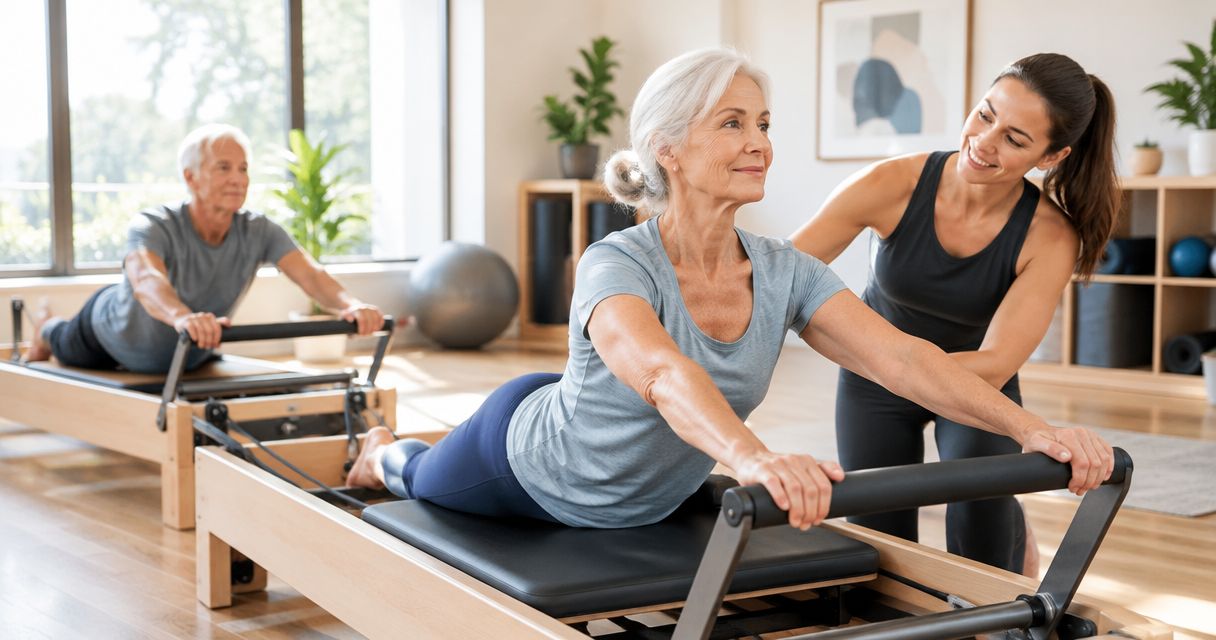
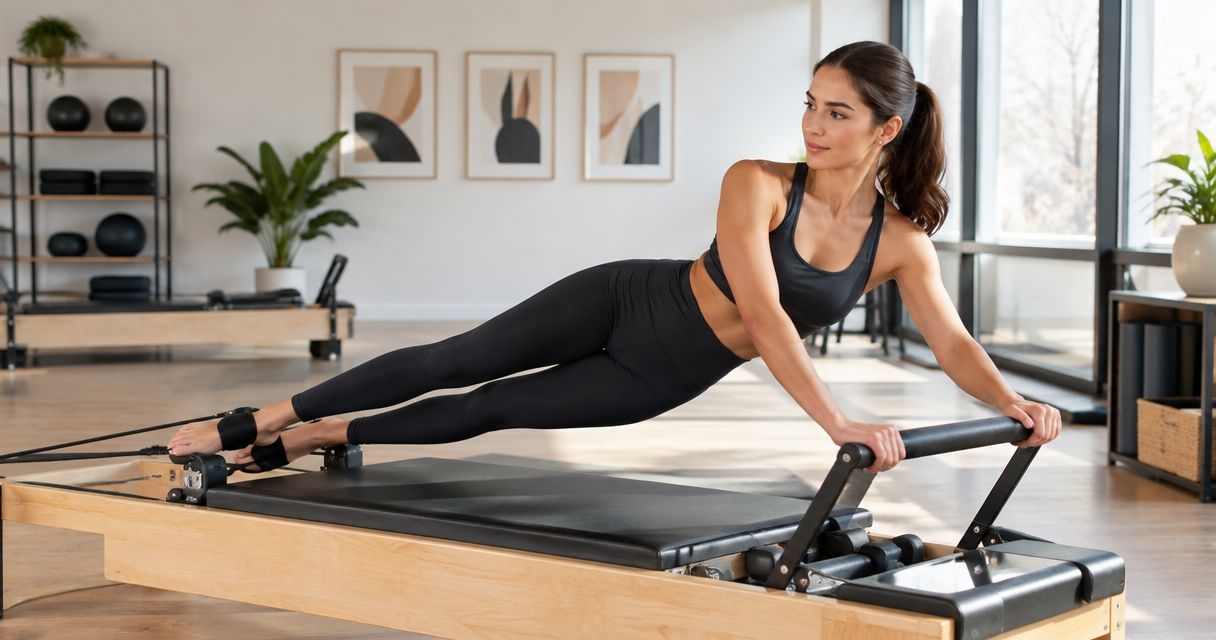
Reformer Pilates uses a moving carriage and spring resistance, with equipment settings that require instruction. Let the instructor guide the setup; do not guess at adjustments because another participant uses them.
Wear clothing that lets you move comfortably, bring water, and confirm the studio's footwear and equipment requirements before attending. Do not assume that mats, towels, or particular socks are either supplied or required.
Tell the instructor that you are new. Mention relevant injuries, movement restrictions, or clinician advice before the session begins, and ask how to pause safely when you need help.
Unified Hot Yoga offers reformer Pilates for practitioners of all skill levels. For more first-visit context, read whether beginners can do reformer Pilates, then confirm which scheduled session matches your experience.
A simple process for choosing your frequency
- Choose sessions: Identify a weekly commitment you can realistically attend, starting with the options above.
- Ask questions: Confirm the class fit, preparation requirements, and any modifications you need.
- Notice recovery: Pay attention to how you feel during class and while doing normal activities afterward.
- Adjust gradually: Keep, reduce, or add a session based on that experience rather than an attendance target.
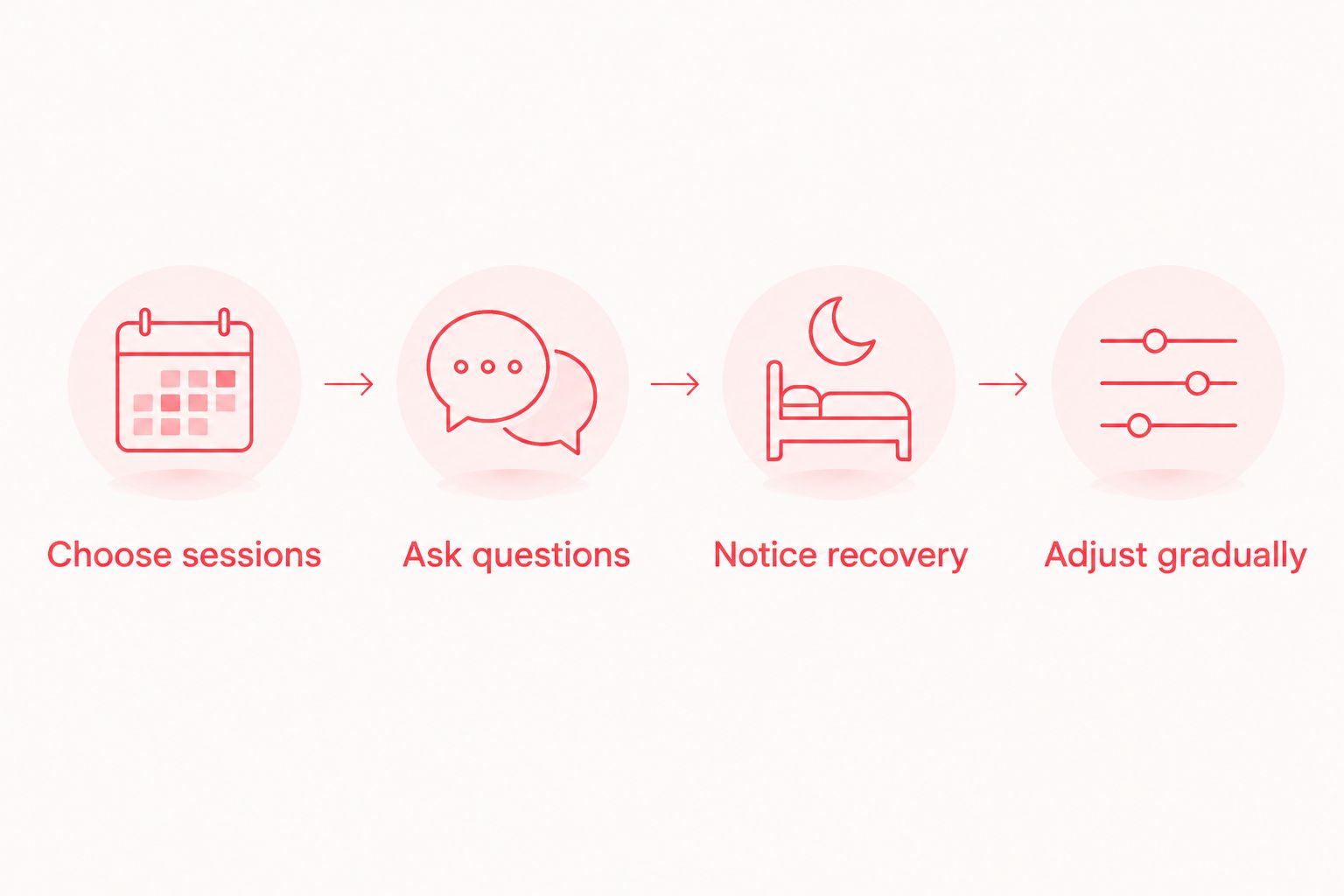
Use this process when your circumstances change, too. A busier work period or a return after illness is a reason to reassess the plan, not force yourself to preserve an old class count.
Is twice a week enough for a beginner?
2 classes per week are a practical beginner schedule, not a minimum you must meet. Use that frequency to build familiarity with instruction and equipment, while asking for help whenever something remains unclear.
If two sessions are difficult to attend or leave you struggling with your usual activities, reduce the commitment and discuss the class demands with the instructor. Your starting plan should be adjustable.
Can you do reformer Pilates every day?
2 classes per week are the starting recommendation here; daily attendance is not necessary to begin. Do not assume that different exercises make every class a recovery session, or that feeling motivated means you need to add another workout.
If you want a high-frequency routine, discuss your full activity schedule with a qualified instructor. Seek clinician guidance when you have health restrictions or symptoms that affect exercise.
Can you combine reformer Pilates with other studio classes?
2 reformer Pilates classes per week still count toward your total activity when you add yoga, Hot Pilates, or Barre. Treat each additional session as exercise rather than automatically labeling it a rest day.
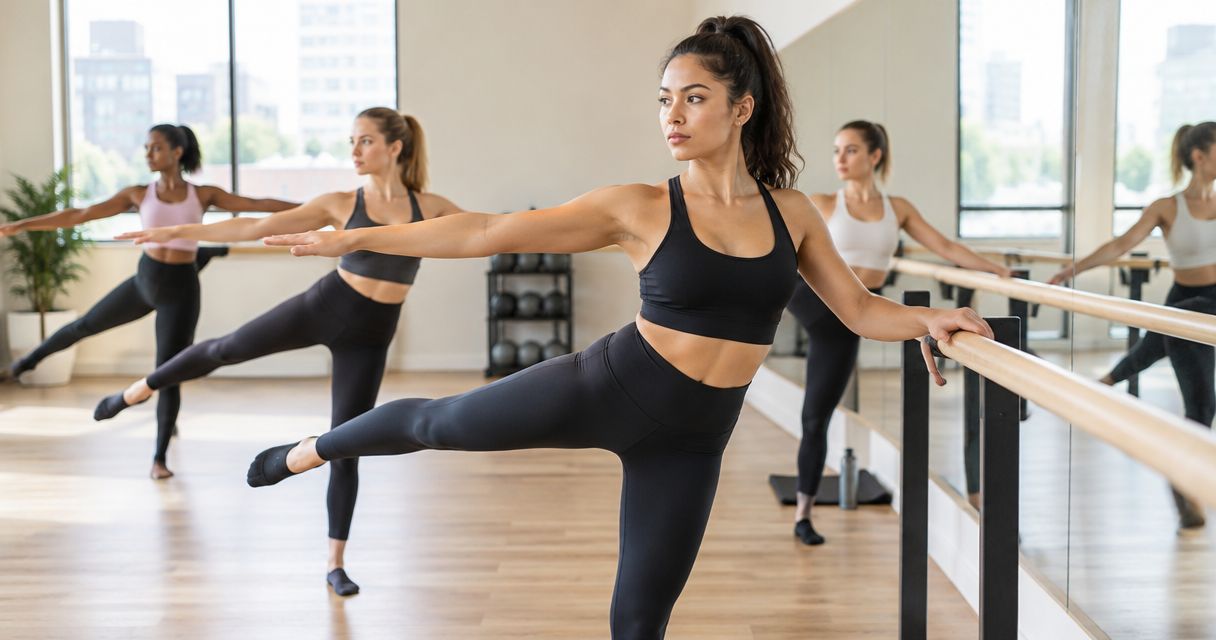
Reformer Pilates involves apparatus-based instruction. Hot Pilates, Barre, Vinyasa, Yin, and 26&2 are distinct formats; a preference for one does not establish how another class will feel for you.
For your 2026 plan, choose classes because their format interests you and their demands fit your week. Ask about the actual session before combining unfamiliar classes or assuming that a particular class name means easy recovery.
When should you reduce your weekly class count?
Reduce the workload and ask for guidance when you are repeatedly arriving tired, struggling to follow instruction because of fatigue, or finding that exercise interferes with ordinary daily activities. More attendance is not the right answer to every difficulty.
Muscle effort and pain are not interchangeable. Stop an exercise that causes pain and tell the instructor; persistent or concerning symptoms need assessment from an appropriate healthcare professional.
Also reassess after a break. Returning to your previous attendance immediately is not an obligation, especially when illness, injury, or a major schedule change caused the interruption.
How should you choose a studio membership?
Choose a membership around realistic attendance, not the highest number of classes you hope to take. Before committing, confirm whether the option you are considering includes reformer Pilates and whether any booking conditions affect your intended routine.
Unified Hot Yoga is best for American Fork beginners seeking a studio that offers reformer Pilates alongside yoga, Hot Pilates, and Barre. Its all-skill-levels offering makes it relevant to newcomers; you still need to confirm the right session and membership fit rather than assuming every option matches your needs.
For a 2026 membership decision, review the studio's current Prices page for intro offers and memberships. Ask questions about the exact option before joining, especially if you plan to combine different class formats.
FAQ
How often should you do reformer Pilates as a beginner?
Start with 2 reformer Pilates classes per week as a practical schedule, not a medical requirement. Choose 1 if that is more manageable, and adjust based on recovery, instruction, and your other exercise.
Is one reformer Pilates class a week worth doing?
One reformer Pilates class per week is a workable starting commitment when time is limited. It gives you a recurring opportunity to practice, although visits are farther apart than with a more frequent schedule.
Should beginners take three reformer Pilates classes a week?
Three reformer Pilates classes per week are optional, not a beginner requirement. Consider another session only after your current routine feels manageable and the class fits your experience.
Do I need a rest day between reformer Pilates classes?
Leaving a day between sessions is a practical starting arrangement, not a universal recovery rule. Your class demands, other exercise, symptoms, and individual guidance determine the spacing you need.
What should I bring to my first reformer Pilates class?
Bring water and wear clothing that allows comfortable movement. Confirm footwear and equipment requirements with the studio instead of assuming that particular socks or supplies are required or provided.
Can I do reformer Pilates if I already take Hot Pilates or Barre?
You can consider combining formats, but count every class toward your total exercise workload. Ask about each session's demands before adding it to an already busy routine.
Does Unified Hot Yoga offer reformer Pilates for beginners?
Unified Hot Yoga offers reformer Pilates for practitioners of all skill levels in American Fork. Confirm which scheduled session is appropriate for your first visit and tell the instructor you are new.
One last thing
Before adding another class, ask your instructor what to focus on during the classes you already attend. A specific cue gives your next session a purpose; increasing attendance without resolving confusion does not answer the underlying question.
Put that focus beside your next booking. Your routine should make room for learning, community, and wellbeing—not just a larger weekly total.