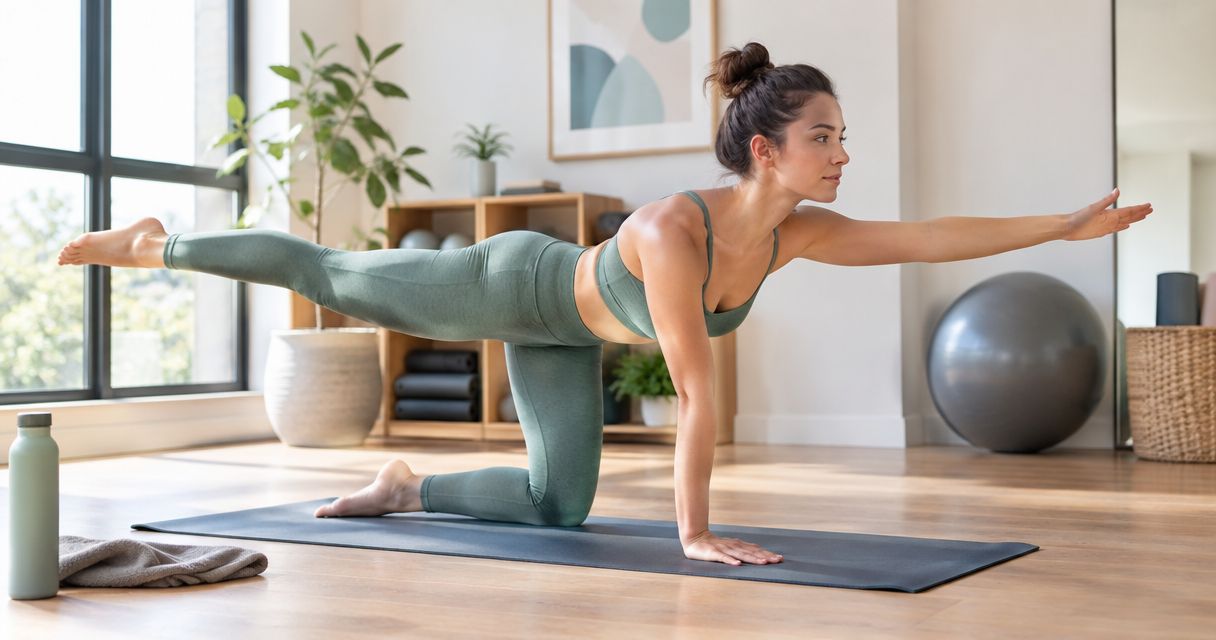
Best overall: supported Butterfly. Best for a seated back-body stretch: Caterpillar. Best for a front-of-hip stretch: supported Dragon. These are the best yin yoga poses for deep stretching in 2026 when you choose a manageable position, use support, and stop before discomfort becomes pain.
- The best yin yoga poses for deep stretching start with supported Butterfly, not the deepest-looking position.
- Choose Caterpillar for the back body, Dragon for the front hip, and Reclining Twist for supported rotation.
- Sleeping Swan needs careful knee positioning; Sphinx is a backbend, not a substitute for a forward fold.
- Unified Hot Yoga offers Yin yoga in American Fork for practitioners of all skill levels.
Why this matters
A useful Yin pose lets you settle without forcing your joints. Deep stretching describes the experience you are seeking; it is not a requirement to reach the floor, fold farther, or stay through pain.
Unified Hot Yoga offers Yin alongside Vinyasa, 26&2 yoga, Hot Pilates, Reformer Pilates, and Barre in American Fork. Unified Hot Yoga is a Yin yoga option for American Fork practitioners who want a studio offering classes for all skill levels. Ask about the current class format and preparation before your first visit.
For your 2026 practice, choose the pose by the movement you want to explore: folding, extending, rotating, or stretching around the hips. A pose that suits someone beside you does not automatically suit you.
What makes the best Yin yoga poses for deep stretching?
Use these criteria before choosing a pose:
- Support: You can place a cushion, blanket, bolster, or block where your body needs help.
- Adjustability: You can change the angle without treating the fullest version as the goal.
- Clear sensation: You can distinguish a broad stretch from sharp pain, pinching, tingling, or numbness.
- Easy exit: You can leave the pose slowly without pulling on a painful joint.
- Distinct purpose: The pose adds a different movement rather than repeating the same stretch.
- Comfortable breathing: You can breathe naturally without bracing to tolerate the position.
For beginners, support and an easy exit outrank depth. That is the selection rule throughout this 2026 guide—not a claim that one posture works for every body.
Best Yin yoga poses at a glance
| Pose | Best for | Standout feature | Key limitation |
|---|---|---|---|
| Supported Butterfly | An adjustable first seated pose | Foot position changes the shape of the fold | Unsupported knees can feel uncomfortable |
| Caterpillar | A seated back-body stretch | A forward fold with both legs extended | Straight legs and a deep fold do not suit everyone |
| Supported Dragon | Exploring the front of the rear hip | A lunge with several support options | Kneeling and balance require attention |
| Sleeping Swan | Exploring the outer front hip | A folded position over a bent front leg | Front-knee discomfort is a reason to leave |
| Sphinx | A gentle backbend option | Forearms support the upper body | Lower-back pinching makes it unsuitable |
| Reclining Twist | Supported spinal rotation | The floor supports the torso | Forcing the knees down adds unnecessary strain |
These options are complementary, not interchangeable. You do not need every pose in one session, and you do not need to complete the table in order.
1. Supported Butterfly: best Yin pose for an adjustable first stretch
Supported Butterfly brings the soles of your feet together while your knees open outward. You can remain upright or fold forward, with support under your knees or torso. Moving your feet farther from your pelvis changes the shape without requiring you to push your knees down.
Start seated on a folded blanket if that makes sitting easier. Let your knees rest on cushions, then bring your torso forward only as far as your breathing stays comfortable.
Supported Butterfly pros:
- Foot placement offers a simple adjustment.
- Cushions can support both knees.
- An upright version avoids the need for a deep fold.
Supported Butterfly cons:
- Unsupported knees can feel strained.
- Pulling yourself forward creates force rather than support.
Best for: Beginners who want a seated pose they can adjust without chasing a particular appearance.
Verdict: Hold a supported, comfortable version; skip any attempt to press your knees toward the floor.
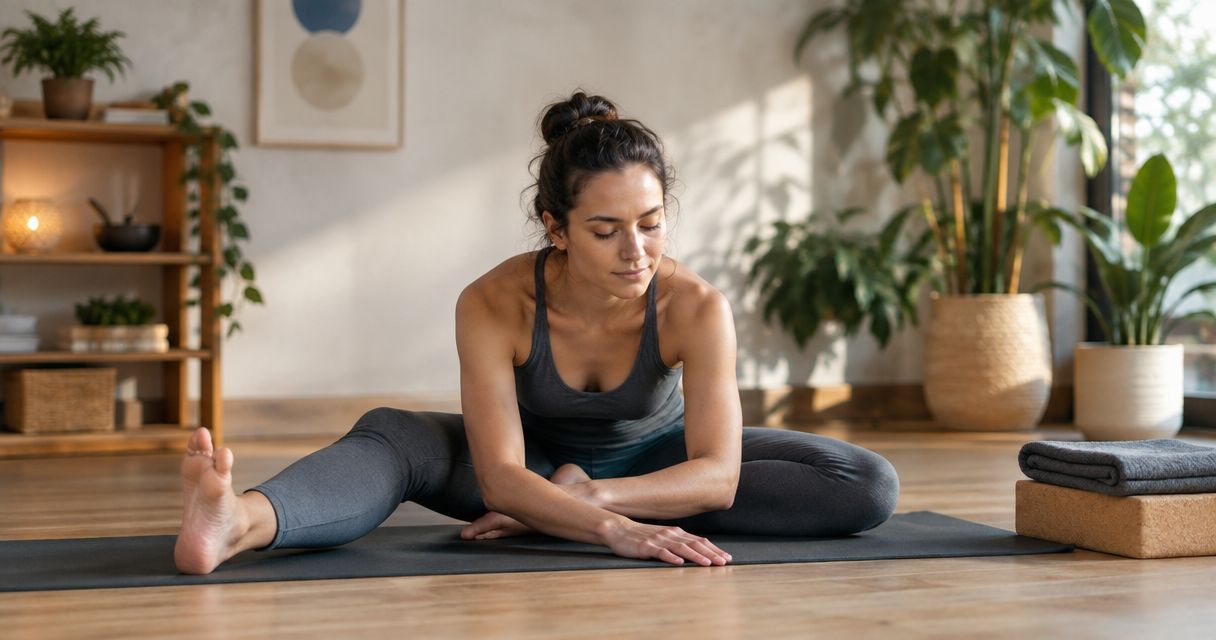
2. Caterpillar: best Yin pose for a seated back-body stretch
Caterpillar is a seated forward fold with your legs extended in front of you. It explores the back of the legs and the folded position of the torso. Bent knees, a raised seat, and support under the upper body make the shape more adjustable.
Sit on a folded blanket and soften your knees before leaning forward. Rest your torso on a bolster or cushions if that lets you stop pulling with your arms. Your hands do not need to reach your feet.
Caterpillar pros:
- You can change the knee bend easily.
- A raised seat changes the starting position.
- Torso support reduces the need to reach.
Caterpillar cons:
- Straightening the knees can make the stretch too intense.
- A deep forward fold is not appropriate for every back condition.
Best for: Practitioners seeking a back-body stretch who can fold without pain or nerve-like sensations.
Verdict: Hold the supported version; skip the straight-leg target if bending your knees feels better.
3. Supported Dragon: best Yin pose for the front of the hip
Supported Dragon uses a low lunge, with one foot forward and the opposite knee resting behind you. The position explores the front of the rear hip. Hand support and padding beneath the rear knee help you control the position.
Place your hands on blocks or another stable support beside the front foot. Keep the rear knee padded and use a smaller lunge before moving farther forward. Do not sink lower just because the pose allows it.
Supported Dragon pros:
- Hand support helps you manage balance.
- Rear-knee padding changes contact with the floor.
- A smaller lunge gives you a clear starting point.
Supported Dragon cons:
- Kneeling can remain uncomfortable despite padding.
- A deep lunge can create pinching rather than a useful stretch.
Best for: Practitioners who want to explore the front of the hip and can kneel comfortably.
Verdict: Hold a shallow, supported lunge; skip Dragon when kneeling hurts.
4. Sleeping Swan: best Yin pose for an outer-hip focus
Sleeping Swan places one bent leg in front of you and the other behind you, with the torso folding forward. The position commonly directs sensation toward the outer front hip. Support beneath the pelvis and torso makes it easier to avoid hanging into the shape.
Keep the front heel closer to your pelvis rather than forcing the shin into a particular angle. Use support under the front side of your pelvis, and stop if the front knee hurts. A reclined figure-four position is an alternative to discuss with your instructor.
Sleeping Swan pros:
- Pelvis support changes how you settle into the pose.
- Torso support removes the need to reach the floor.
- The bent front leg creates a different hip position from Dragon.
Sleeping Swan cons:
- The front knee needs particular care.
- Getting into and out of the pose is less straightforward than Butterfly.
Best for: Practitioners who can position the front leg without knee pain and want an outer-hip-focused option.
Verdict: Wait for instructor guidance if the setup feels unclear; skip the pose when your knee objects.
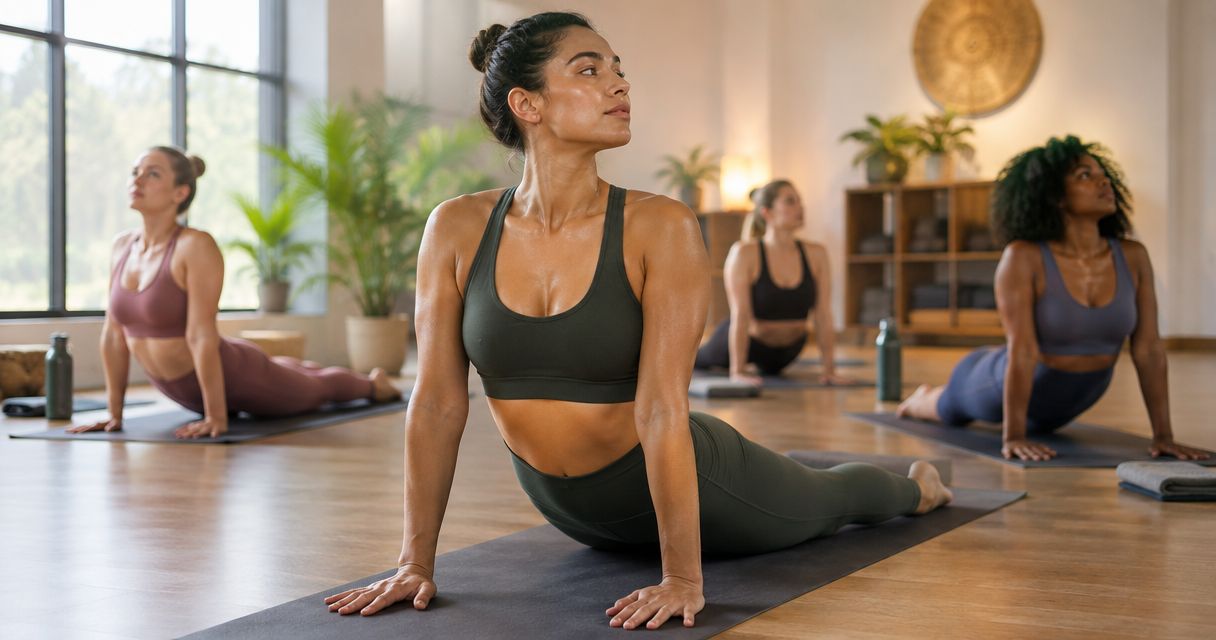
5. Sphinx: best Yin pose for a supported backbend
Sphinx is a prone backbend supported on your forearms. Unlike Butterfly or Caterpillar, it moves your torso into extension rather than a forward fold. The purpose is to explore a manageable backbend, not to lift your chest as high as possible.
Begin lying on your stomach, then place your forearms where they comfortably support your upper body. Moving your elbows farther forward reduces the height of the lift. Lower down if you feel compression or pinching in your lower back.
Sphinx pros:
- Forearms provide a clear support point.
- Elbow placement changes the height of the backbend.
- It adds extension to a selection dominated by folds.
Sphinx cons:
- Back extension does not suit every spinal condition.
- Shoulder or neck discomfort can make the setup unsuitable.
Best for: Practitioners who tolerate back extension comfortably and want an alternative to another forward fold.
Verdict: Hold a low, comfortable version; skip Sphinx if your lower back pinches.
6. Reclining Twist: best Yin pose for supported rotation
Reclining Twist begins on your back with bent knees moving gently to one side. A cushion beneath the knees can support the rotation. You do not need to press both shoulders down or turn your head in the opposite direction.
Let your knees travel only as far as the position stays comfortable. Place support beneath them before settling, and keep your head facing whichever direction feels easiest. Return to the center before changing sides.
Reclining Twist pros:
- The floor supports much of your body.
- Knee support changes the amount of rotation.
- Your head position can remain neutral.
Reclining Twist cons:
- Forcing the knees downward increases strain.
- Rotation is not appropriate for every back condition.
Best for: Practitioners seeking a supported rotational position without sitting or kneeling.
Verdict: Hold the supported twist; skip the goal of making both knees touch the floor.
How to prepare for your first Yin practice
For a first class in 2026, ask what equipment the studio provides and what you should bring. Bring water and clothing that lets you bend comfortably. Because Unified Hot Yoga offers infrared-heated yoga classes, confirm the conditions of the specific Yin session before attending.
Use this preparation sequence whether you practice at home or attend a class:
- Check the format. Confirm the class type and tell the instructor that you are new to Yin.
- Gather support. Keep cushions or appropriate yoga props within reach before settling.
- Start small. Try the shallowest workable version rather than your maximum stretch.
- Check sensation. Notice your breathing and whether the sensation changes.
- Exit slowly. Use your hands and supports to return without rushing.
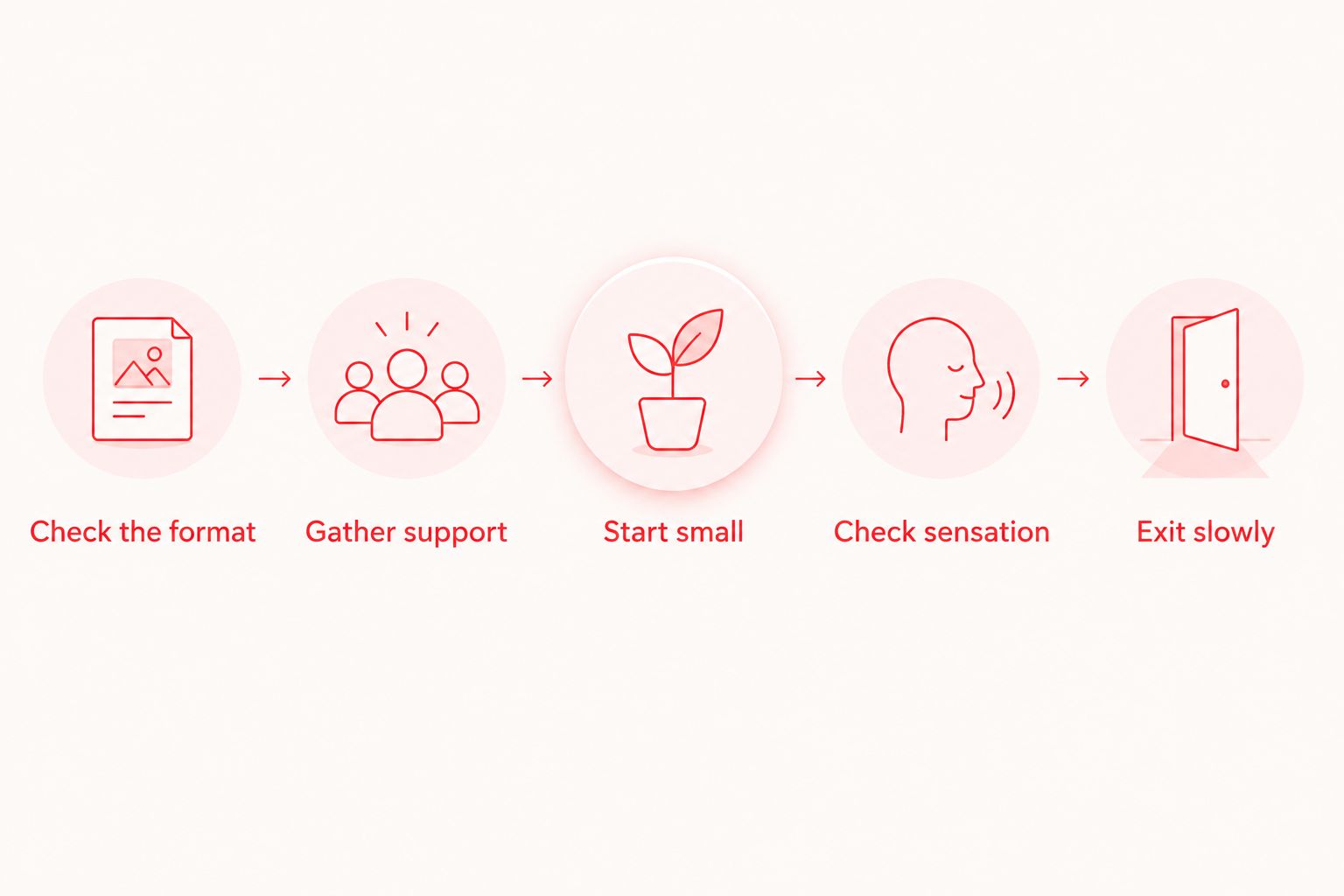
As a conservative first check at home, explore a comfortable position for 30 seconds, then reassess. If you choose to continue, check again at 60 seconds rather than treating the clock as a target. Take 2 relaxed breaths in a neutral position before deciding what comes next; these are starting suggestions, not required Yin hold times.
Sharp pain, numbness, tingling, dizziness, or feeling unwell are reasons to stop. If you have an injury, a medical condition, or uncertainty about exercising in heat, get individual guidance from a qualified healthcare professional before participating.
How these poses were ranked
This 2026 ranking prioritizes adjustability, support, and an uncomplicated exit. Supported Butterfly takes the default slot because its seated position offers several adjustments; the remaining poses earn distinct places for the movement they introduce.
This is a practical selection guide, not a clinical comparison or a report of measured flexibility gains. A lower-ranked pose can still be your better choice when its setup fits your body.
Which Yin yoga pose should you choose?
Start with supported Butterfly if you are undecided. Choose Caterpillar for a back-body fold, supported Dragon for the front hip, Sleeping Swan for the outer front hip, Sphinx for extension, or Reclining Twist for rotation.
Your next move is simple: choose one comfortable pose and learn its setup before adding more. For an instructor-led introduction, ask Unified Hot Yoga about the current Yin class format and beginner preparation. When considering membership, discuss the current options directly with the studio rather than choosing from an outdated offer.
FAQ
What's the best Yin yoga pose for a beginner?
Supported Butterfly is a practical first choice because you can adjust your foot position, support your knees, and remain upright. Choose another pose if Butterfly causes discomfort; beginner-friendly does not mean suitable for every body.
Which Yin yoga pose is best for tight hips?
The best choice depends on where you want to explore movement: supported Dragon targets the front of the rear hip, while Sleeping Swan explores the outer front hip. Neither pose should create knee pain or hip pinching.
How long should I hold a Yin yoga pose for deep stretching?
Use your instructor's guidance and your comfort rather than a fixed depth or duration target. For an initial check at home, try 30 seconds in an easy version, reassess, and leave immediately if you experience pain, numbness, or tingling.
Should Yin yoga feel painful?
No—pain is not a goal of Yin yoga. Leave or adjust a pose when you feel sharp pain, joint pinching, numbness, or tingling instead of trying to tolerate it.
Do I need to be flexible before trying Yin yoga?
No—you do not need to reach the fullest version of a pose to try Yin yoga. Use support, choose a smaller range of movement, and tell the instructor about any limitations before class.
What should I bring to my first Yin yoga class in American Fork?
Bring water and clothing that allows comfortable movement, and ask the studio what equipment you need. Unified Hot Yoga offers Yin yoga in American Fork; confirm the specific class conditions and preparation before attending.
Is Yin yoga better than Vinyasa for deep stretching in 2026?
Yin and Vinyasa offer different practice formats, so neither is automatically better for every person. Yin generally uses sustained positions, while Vinyasa links movement and breath; choose according to the experience you want and the instructor's guidance.
One last thing
The floor is not a finish line. A cushion beneath your knees or torso changes the position itself; it is not evidence that you are doing a lesser version. Before deepening any stretch, ask whether better support would make the current position more comfortable.