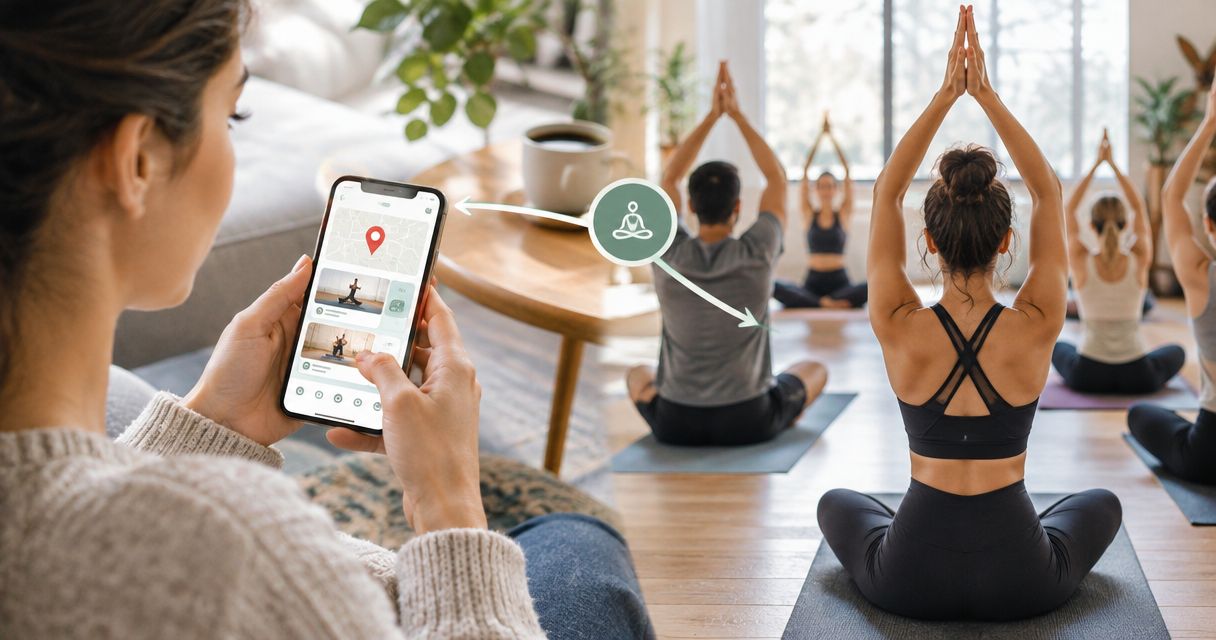
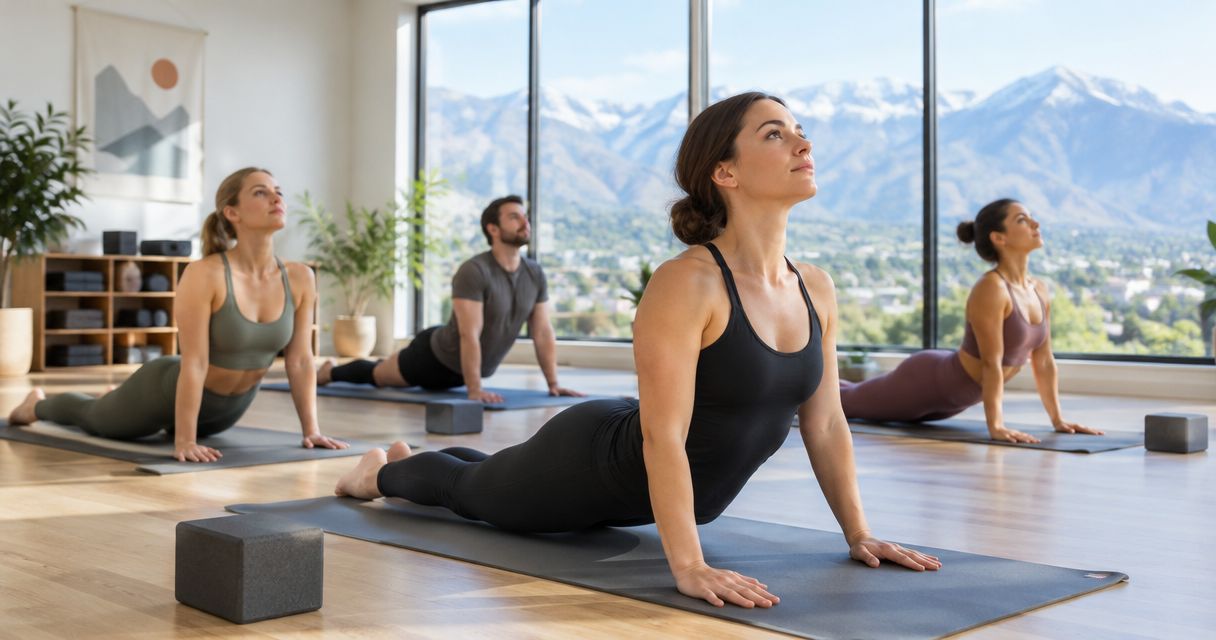
Best fit for exploring yoga and Pilates together: Unified Hot Yoga, an American Fork studio—not a Provo location. If you’re searching for yoga Provo options in 2026, this guide helps you compare class styles, prepare for your first visit, and decide whether traveling beyond Provo fits your routine.
- For a yoga Provo search, Unified Hot Yoga is an American Fork option offering yoga, Pilates, and Barre.
- Choose Vinyasa for flowing movement, Yin for longer-held poses, or 26&2 for a repeated sequence.
- Compare Hot Pilates, Reformer Pilates, and Barre if you prefer exercise-focused classes rather than yoga.
- Check the current schedule, beginner guidance, and equipment requirements before booking your first visit.
Why this matters
The best studio choice starts with the class you actually want to attend. A nearby address does not resolve a mismatch between a flowing yoga practice, a slower session, and an equipment-based Pilates class.
Unified Hot Yoga is best for Utah County readers seeking yoga, Pilates, and Barre at an American Fork studio. Its stated offering includes 3 yoga styles—Vinyasa, Yin, and 26&2—plus Hot Pilates, Reformer Pilates, and Barre.
This is a class-fit guide, not a ranking of competing Provo businesses. American Fork belongs in your search only if the trip works for you; a studio outside Provo should never be mistaken for a Provo address.
What makes the best yoga studio for you?
Use these criteria before choosing a first class or considering a membership in 2026:
- Class fit: Decide whether you want flowing yoga, longer-held poses, a repeated sequence, or fitness-focused movement.
- Heat preference: Ask about the environment for the exact session. Do not assume every class uses the same heat settings.
- Beginner guidance: Ask how the instructor introduces unfamiliar movements and explains alternatives.
- Realistic travel: Consider the complete trip from home, work, or campus, including getting ready afterward.
- Schedule fit: Choose a session you can realistically attend, rather than a class name you like but cannot reach.
- Clear expectations: Confirm what to bring, how check-in works, and whether equipment or particular clothing is required.
For a first visit, understanding the session matters more than collecting class names. You should know what you’re booking before you enter the room.
Yoga and Pilates options at a glance
These 6 class styles serve different preferences. The order is a reading aid, not a claim that yoga is better than Pilates or that one style suits every beginner.
| Class style | Best for | Defining feature | Main limitation to consider |
|---|---|---|---|
| Vinyasa | Flowing movement | Transitions linked with breath | Following transitions adds a learning task |
| Yin | Longer holds | Stillness within held poses | Slow pacing does not mean little sensation |
| 26&2 | Repeated structure | A sequence of 26 poses and 2 breathing exercises | Repetition leaves less sequence variety |
| Hot Pilates | Heated exercise | Pilates-based exercise in a heated setting | Heat adds another demand to manage |
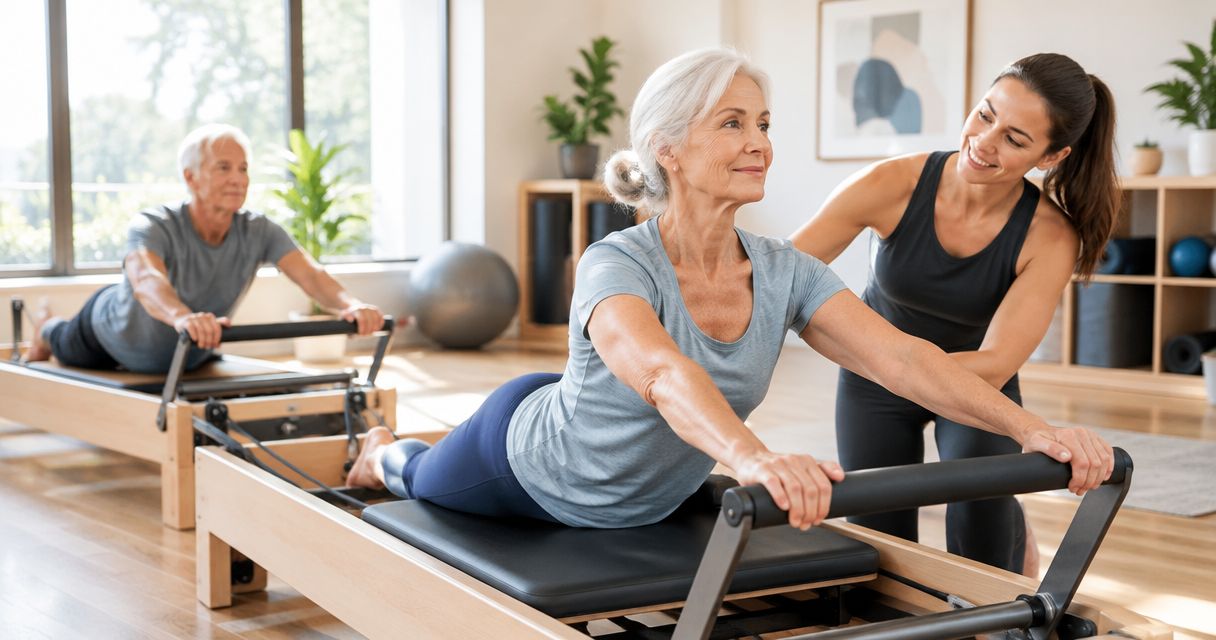
| Reformer Pilates | Equipment guidance | A moving carriage and spring resistance | Equipment requires an introduction |
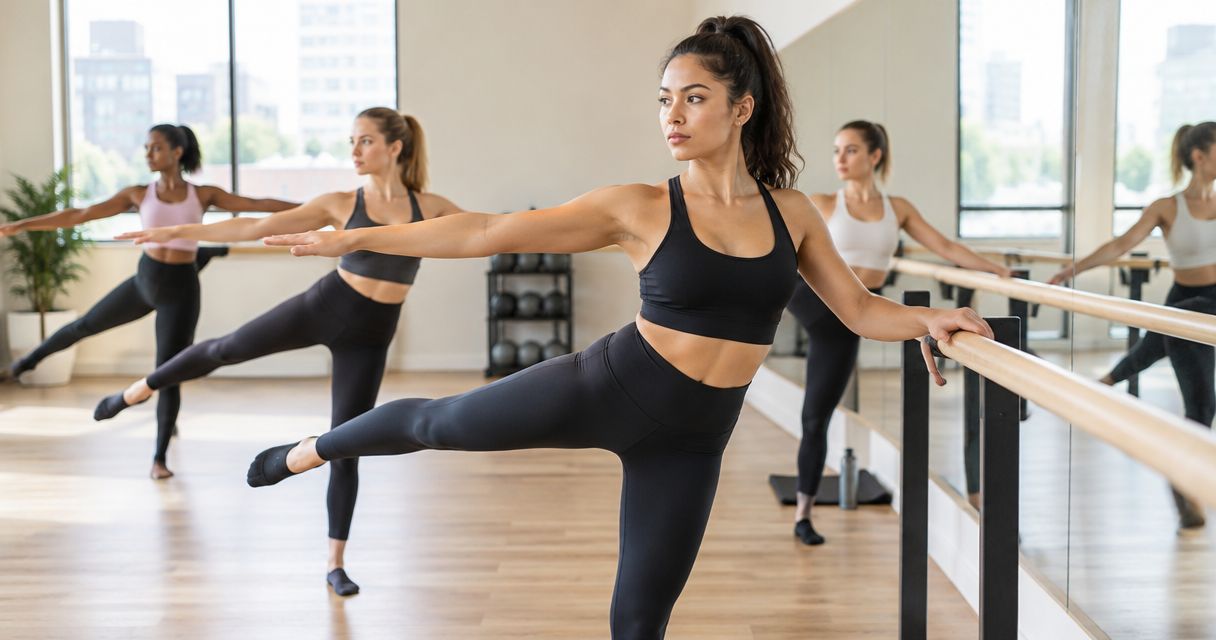
| Barre | Small-range movement | Ballet-inspired positions and repeated exercises | Repetition is not everyone’s preference |
Check the current class schedule for the session you intend to attend. The descriptions below explain the general disciplines; they do not establish a particular instructor’s sequence, class duration, or room temperature.
1. Vinyasa: best yoga option for flowing movement
Vinyasa generally links movement and breath through transitions between poses. Choose this style if you want movement to connect the practice rather than treating each posture as a separate stop.
For a newcomer, the challenge is learning the transitions while listening to instructions. Ask whether your chosen session suits first-time students and how to take a simpler alternative when needed.
Vinyasa pros:
- Connects poses into a flowing practice.
- Offers a movement-centered approach to yoga.
- Suits readers who enjoy learning transitions.
Vinyasa cons:
- Following a sequence requires attention as you learn.
- Class pacing varies; the name alone does not establish difficulty.
Best for: You want flowing movement rather than extended stillness or a fixed sequence.
Verdict: Choose Vinyasa if movement between poses is the part that interests you.
2. Yin: best yoga option for longer-held poses
Yin generally uses longer-held, often floor-based poses rather than continuous transitions. It gives you a different way to approach yoga: less traveling between shapes, more time within them.
Do not confuse a slower format with an instruction to tolerate discomfort. Ask about props and alternatives, and avoid forcing yourself into a shape because someone nearby goes farther.
Yin pros:
- Offers a slower alternative to flowing yoga.
- Gives you time to follow setup instructions.
- Suits readers interested in a stiller practice.
Yin cons:
- Longer holds demand patience and attention.
- Stillness and stretching sensations are not comfortable for everyone.
Best for: You prefer longer holds to a continuous sequence of movements.
Verdict: Choose Yin for its slower format, not because you expect every pose to feel easy.
3. 26&2: best yoga option for repeated structure
The 26&2 format refers to 26 poses and 2 breathing exercises. Its repeated structure distinguishes it from classes where the sequence changes more substantially.
That structure gives you a clear reference point when learning. It does not make every posture immediately familiar or remove the need to ask about the heated environment.
26&2 pros:
- Provides a recognizable sequence.
- Gives repetition a central role in practice.
- Suits readers who prefer knowing the format.
26&2 cons:
- Offers less sequence variety than a changing flow.
- A familiar sequence does not eliminate physical or heat-related demands.
Best for: You enjoy returning to a structured sequence rather than learning a different flow.
Verdict: Choose 26&2 if repeatable structure helps you feel oriented.
4. Hot Pilates: best option for heated exercise
Hot Pilates combines Pilates-based exercise with a heated setting. It is an exercise-focused choice rather than another name for a yoga sequence.
Ask what the specific session involves before booking. The class name does not tell you its exact exercises, pace, equipment, or temperature.
Hot Pilates pros:
- Offers a Pilates-based alternative to yoga.
- Puts exercise rather than yoga sequencing at the center.
- Suits readers specifically interested in heated movement.
Hot Pilates cons:
- Heat adds a demand alongside learning the exercises.
- The name alone does not establish the session’s intensity.
Best for: You want exercise-focused movement and deliberately want a heated environment.
Verdict: Choose Hot Pilates for the exercise format—not simply because you searched for hot yoga.
5. Reformer Pilates: best option for equipment-based practice
Reformer Pilates uses a machine with a moving carriage and springs. Learning how the equipment works is part of getting started, not something you need to know before asking about a class.
Tell the studio if you have never used a reformer. Ask which session introduces the setup and how the instructor explains adjustments during class.
Reformer Pilates pros:
- Uses equipment rather than only floor-based exercises.
- Provides spring resistance within the practice.
- Suits readers curious about guided apparatus work.
Reformer Pilates cons:
- The machine introduces unfamiliar setup steps.
- Equipment instruction matters when choosing a first session.
Best for: You want equipment-based Pilates and are ready to learn the apparatus.
Verdict: Choose Reformer Pilates when the equipment interests you and beginner instruction is clear.
6. Barre: best option for small-range movement
Barre combines ballet-inspired positions with fitness exercises, often using repeated, small-range movements. It is distinct from both a yoga sequence and a reformer-based practice.
You do not need to treat the class as a dance audition. Ask how the instructor introduces positions and what alternatives are available if a movement does not suit you.
Barre pros:
- Offers a different movement vocabulary from yoga.
- Emphasizes repeated exercises and controlled positions.
- Suits readers drawn to ballet-inspired fitness.
Barre cons:
- Repeated movements are not everyone’s preferred format.
- Small movements still require attention to positioning.
Best for: You enjoy repeated exercises more than flowing yoga or equipment-based Pilates.
Verdict: Choose Barre if its movement style appeals to you—not because it looks effortless.
How to prepare for your first class
For your first visit in 2026, separate preparation into Choose, Confirm, Pack, and Arrive. These steps help you focus on the class instead of solving basic questions at check-in.
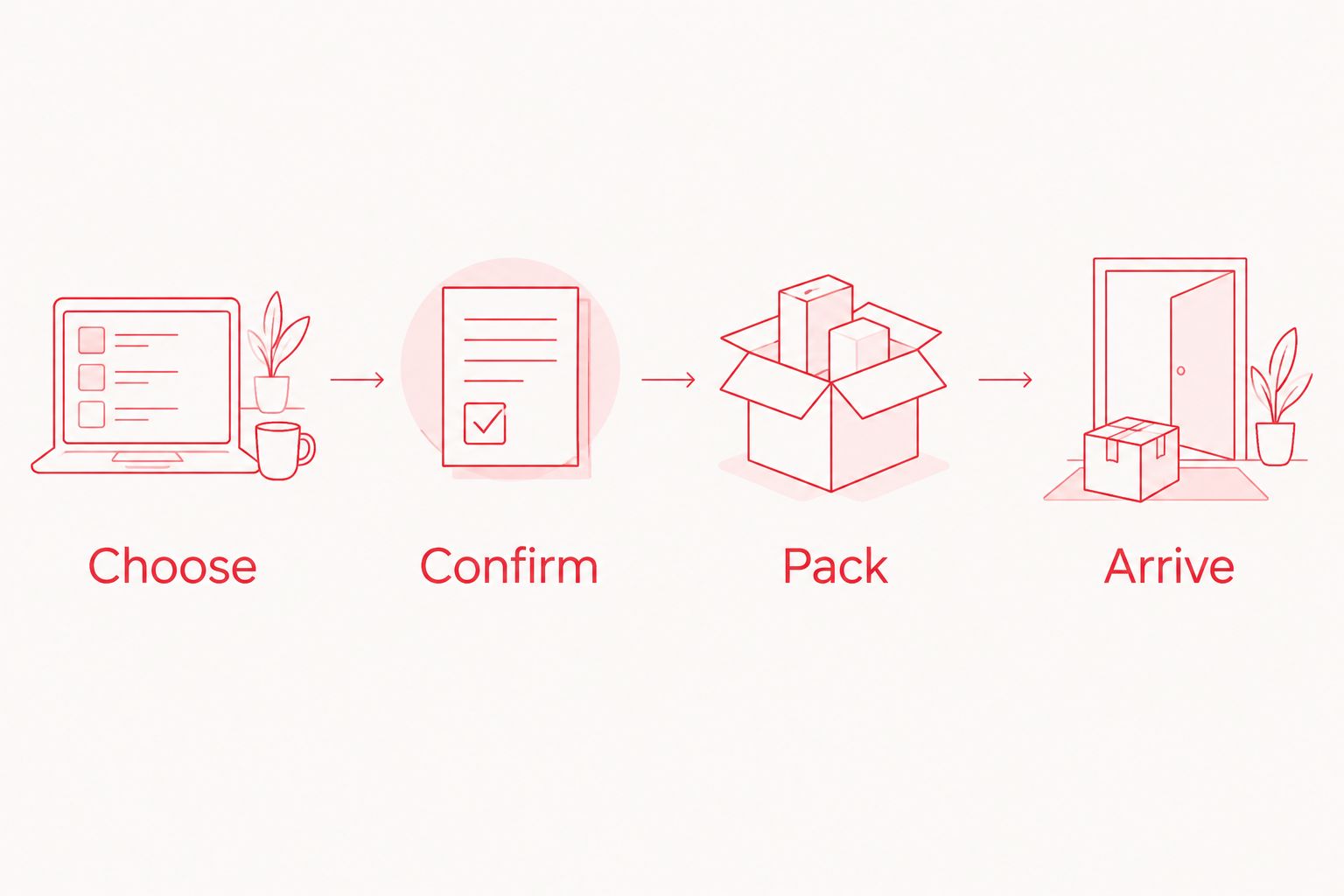
Choose
Pick the movement style that interests you, then ask whether the specific session welcomes first-time students. Unified Hot Yoga serves practitioners of all skill levels, but that does not mean every class has an identical pace or introduction.
Confirm
Ask about heat, equipment, check-in, and clothing requirements. Confirm whether mats, towels, props, or grip socks are needed and whether you should bring your own; do not assume rentals or loan equipment are provided.
Pack
Bring water and clothing you can move in comfortably. For a heated session, plan for sweat and consider a change of clothes; bring any additional items the studio has confirmed for your class.
Arrive
Leave room in your plans for finding the entrance, checking in, and telling the instructor you are new. Ask where to set up before choosing a spot, especially around unfamiliar equipment.
For heated exercise, do not treat feeling unwell as a goal to push through. Stop if you feel dizzy or unwell, tell the instructor, and seek medical guidance when symptoms warrant it.
How these recommendations are organized
These recommendations match class formats to preferences: flow, stillness, repetition, heated exercise, equipment, and small-range movement. They are not based on unpublished testing, review scores, or comparisons of local teachers.
The studio’s stated class offering supports including it as an American Fork option in a broader Utah County search. It does not support calling it the closest studio to your Provo address or declaring it better than every Provo business.
Which option should you choose in 2026?
Choose the format you want to repeat, then check the trip and timetable. If you remain undecided, ask the studio to match your preferences with a suitable first session rather than choosing solely from a ranked list.
Use your first visit to assess practical fit: Can you follow the instruction? Do you feel comfortable asking questions? Does the journey work on an ordinary day?
Before choosing a membership in 2026, check the studio’s current membership information and terms. Base the decision on classes you can realistically attend, not an idealized weekly routine.
FAQ
What’s the best yoga option near Provo for trying different class styles?
Unified Hot Yoga is an American Fork option for exploring Vinyasa, Yin, 26&2, Hot Pilates, Reformer Pilates, and Barre. Choose it as a broader Utah County option only if the location and current schedule fit your routine.
Is Unified Hot Yoga located in Provo?
No. Unified Hot Yoga is in American Fork, Utah. Include the travel involved when comparing it with studios located in Provo.
Which yoga class should a complete beginner choose?
Choose a beginner-suitable session that matches the movement style you want. Ask about Vinyasa for flow, Yin for longer holds, or 26&2 for a repeated sequence, then confirm the specific session’s expectations.
Do I need experience before trying Reformer Pilates?
Ask for a session that introduces first-time reformer users to the equipment. Tell the studio you are new so you can confirm how setup, spring adjustments, and movement instructions are handled.
What should I bring to my first hot yoga class?
Bring water, comfortable movement clothing, and any mat or towel the studio tells you to supply. Confirm equipment requirements before leaving home rather than assuming items are provided.
Is every class heated the same way?
Do not assume every class has the same heating conditions. Ask about the exact session you plan to attend, including whether it is heated and what environment to expect.
Should I choose a membership before trying a class?
Choose your class format and check the practical fit before committing to a membership. Review current membership information and terms, then decide whether the timetable and travel support regular attendance.
One last thing
Compare the whole visit, not just the class. Include getting there, changing afterward, and returning to your next commitment. The right studio is one you can fit into an ordinary week while feeling comfortable learning at your own pace.