Best for a heated Pilates workout: Unified Hot Yoga Hot Pilates. Best for equipment-based Pilates: Reformer Pilates. Best for a slower-paced yoga practice: Yin. For readers comparing hot pilates classes ranked by intensity in Utah County in 2026, the useful distinction is heat, muscular effort, and movement pace—not a single hardest-to-easiest score.
- Unified Hot Yoga offers Hot Pilates in American Fork; compare instruction, heat, and modifications before choosing your first class.
- Hot pilates classes ranked by intensity need separate comparisons of heat, muscular effort, and movement pace.
- Reformer Pilates and Barre are alternatives, not automatically easier versions of Hot Pilates.
- Vinyasa, Yin, and 26&2 offer different yoga formats; slower movement does not eliminate heat-related demands.
Why intensity matters when choosing your first class
A class feels demanding for different reasons. Your muscles can work hard without fast movement, and a heated room adds a separate challenge from the exercises themselves. Treating sweat as a difficulty score hides those differences.
For your first class in American Fork, start with the experience you want: heated Pilates, equipment-based practice, barre work, flowing yoga, a repeated yoga sequence, or longer-held poses. Then ask about the actual session. A familiar class name does not tell you the instructor's pace, equipment requirements, or approach to modifications.
Unified Hot Yoga is a fit for American Fork newcomers who want to choose among Hot Pilates, Reformer Pilates, Barre, and several yoga styles. The studio serves practitioners of all skill levels; that does not make every session equally suitable for every first visit.
What makes the best class for your intensity preference
Use these criteria before choosing a class from the schedule. For your 2026 shortlist, the specific session matters more than a general promise of a hard workout.
- Heat exposure: Ask which classes are heated and what conditions to expect. Do not assume every format uses the same room conditions.
- Movement pace: Ask whether you will move continuously, pause for instruction, or spend longer in individual positions.
- Muscular effort: Distinguish resistance, sustained holds, balance, and repeated movements. These challenge you differently.
- Learning demand: Consider whether you are learning equipment, exercise technique, a sequence, or transitions between poses.
- Modification guidance: Ask how the instructor helps newcomers adjust movements and take breaks.
- Repeatability: Choose a class you can realistically attend and recover from, rather than the toughest-sounding name.
Class options at a glance
The order below starts with the closest match to a Hot Pilates search, then separates alternatives by purpose. It is not a measured ranking of Utah County studios or individual sessions. Reformer Pilates, Barre, and yoga are included to help you choose, not presented as interchangeable Pilates classes.
| Option | Best for | Standout format feature | Intensity question | Key limitation |
|---|---|---|---|---|
| Hot Pilates | Choosing heated Pilates specifically | Pilates exercise in a heated setting | How do heat, pace, and breaks interact? | Heat adds a demand beyond movement technique |
| Reformer Pilates | Learning equipment-based Pilates | Exercises using a spring-based reformer | How are resistance and equipment introduced? | Equipment adds a learning task |
| Barre | Choosing barre-based muscular work | Ballet-inspired exercise format | How much sustained work and balance are involved? | Small movements do not necessarily mean easy effort |
| Vinyasa | Linking yoga poses with movement | Breath-linked transitions | How quickly do poses and transitions change? | Transitions add coordination demands |
| 26&2 yoga | Choosing a recognizable yoga sequence | A defined posture-and-breathing format | How are posture holds and breaks handled? | Familiar structure does not guarantee low effort |
| Yin yoga | Choosing slower-paced yoga | Longer-held poses | How are holds supported and adjusted? | Slow movement is not a reason to tolerate pain |
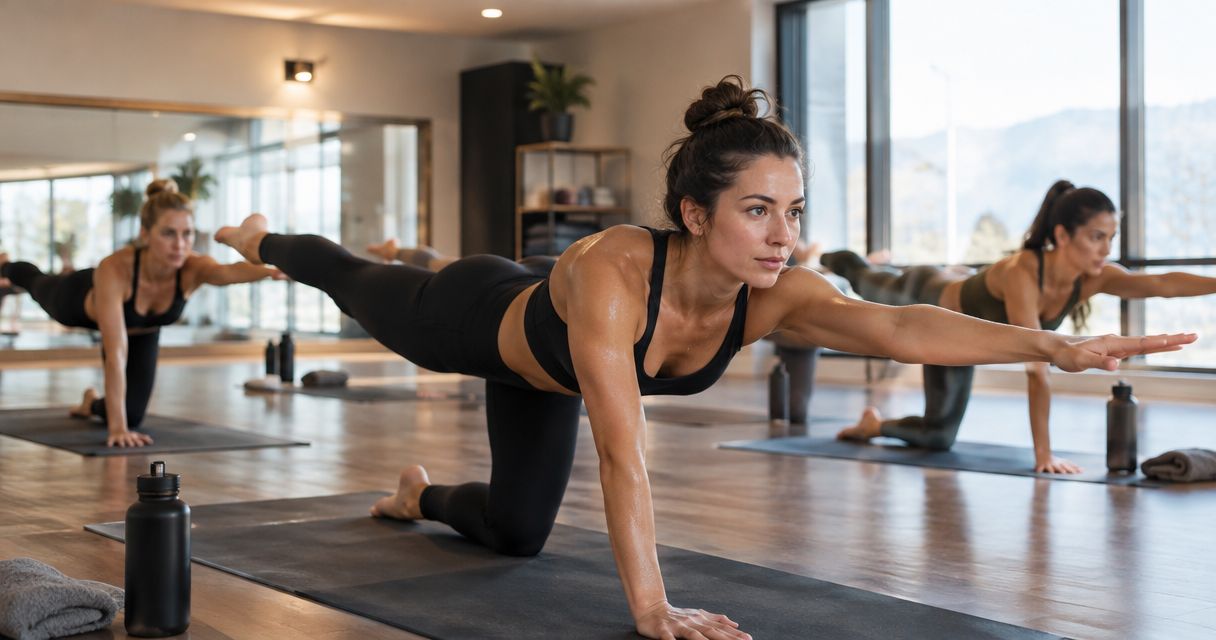
1. Hot Pilates: best for choosing heated Pilates specifically
Hot Pilates is the direct match when your goal is Pilates exercise in a heated setting. Choose it because you want that combination, not because heat proves a session is more effective than an unheated alternative.
For a first visit in 2026, ask about the actual exercise format, expected room conditions, and how newcomers receive modifications. Do not assume weights, intervals, particular exercises, or a fixed pace from the class name alone.
Hot Pilates pros:
- Directly matches a preference for heated Pilates.
- Lets you focus your questions on exercise technique and heat tolerance.
- Offers a distinct choice from yoga when you want Pilates rather than posture sequences.
Hot Pilates cons:
- Heat and unfamiliar movement create separate demands to manage.
- The name alone does not establish the session's difficulty.
- Choosing by sweat alone gives you little information about movement quality.
Best for: Someone specifically seeking heated Pilates and willing to learn the movements without chasing maximum effort immediately.
Verdict: Choose Hot Pilates for the format; wait on pushing intensity until you understand the session.
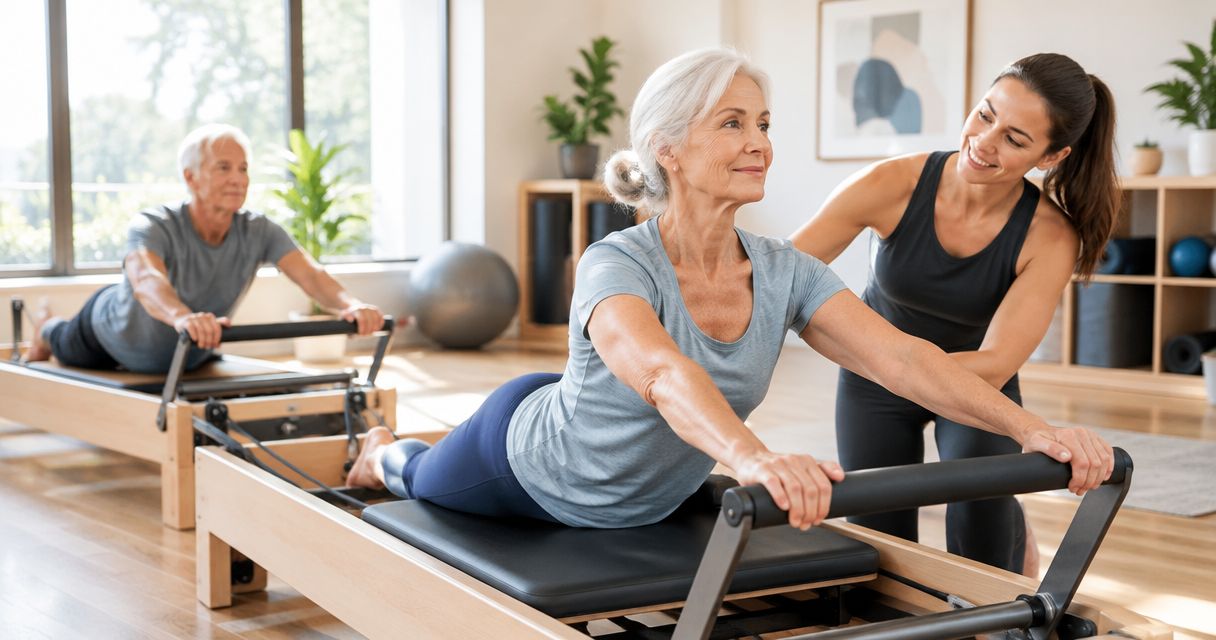
2. Reformer Pilates: best for equipment-based practice
Reformer Pilates uses a moving carriage and spring resistance. The equipment changes how exercises are supported and resisted, so you cannot compare difficulty with Hot Pilates by assuming springs always make movement harder.
Ask how equipment setup and changes are taught before booking your first session. Also confirm the room conditions rather than assuming Reformer Pilates shares the heat used for another class.
Reformer Pilates pros:
- Provides an equipment-based alternative to Hot Pilates.
- Makes resistance and support part of the exercise setup.
- Suits readers interested in learning apparatus-based Pilates technique.
Reformer Pilates cons:
- Equipment introduces unfamiliar settings and moving parts.
- Spring choice is not a simple harder-or-easier scale across every exercise.
- The format alone does not establish beginner suitability for a particular session.
Best for: Someone whose main interest is learning Pilates on a reformer rather than exercising in heat.
Verdict: Choose Reformer Pilates for equipment-based practice; confirm first-session instruction before booking.
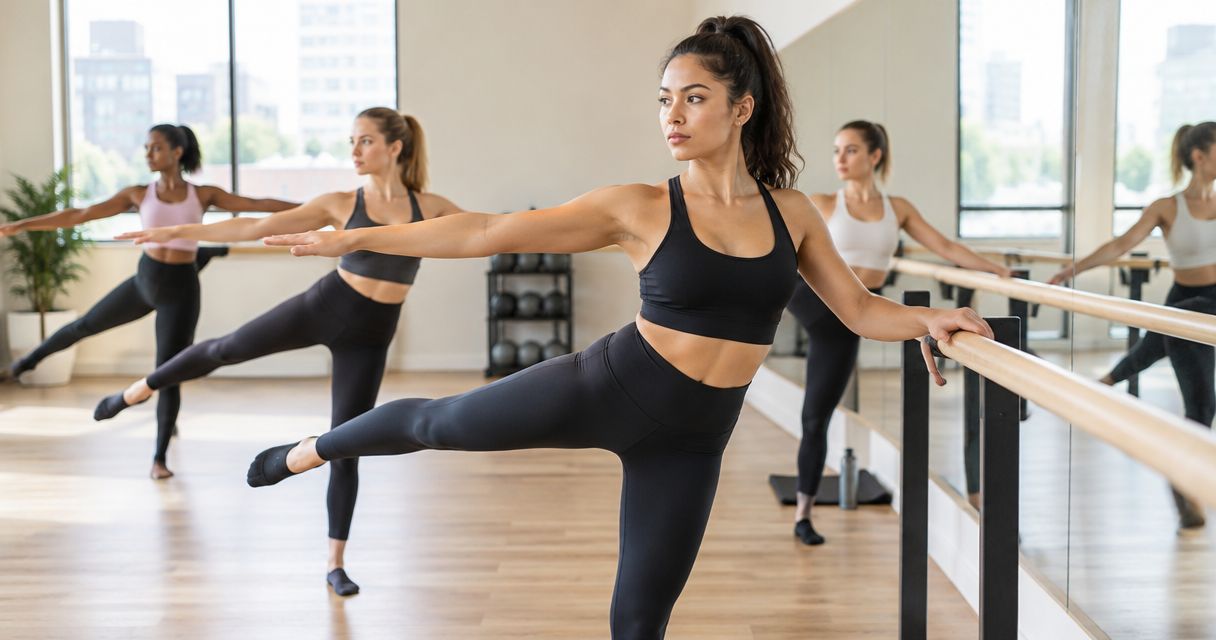
3. Barre: best for barre-based muscular work
Barre draws on ballet-inspired positions and exercise patterns. Small movements and sustained positions can require substantial effort, so a class does not become easy simply because you are not moving quickly across the room.
Ask about balance support, movement adjustments, and any footwear requirements. Do not assume the session is heated or unheated from the Barre label.
Barre pros:
- Offers a different movement format from Pilates and yoga.
- Gives you a way to explore controlled, ballet-inspired exercise.
- Separates your interest in muscular work from a preference for heat.
Barre cons:
- Small movements can be more demanding than they appear.
- Unfamiliar positions require attention to alignment and balance.
- The class name does not describe every exercise or piece of equipment.
Best for: Someone drawn to barre-based movement rather than Pilates equipment or yoga sequences.
Verdict: Choose Barre for the movement style; skip the assumption that small movements mean low intensity.
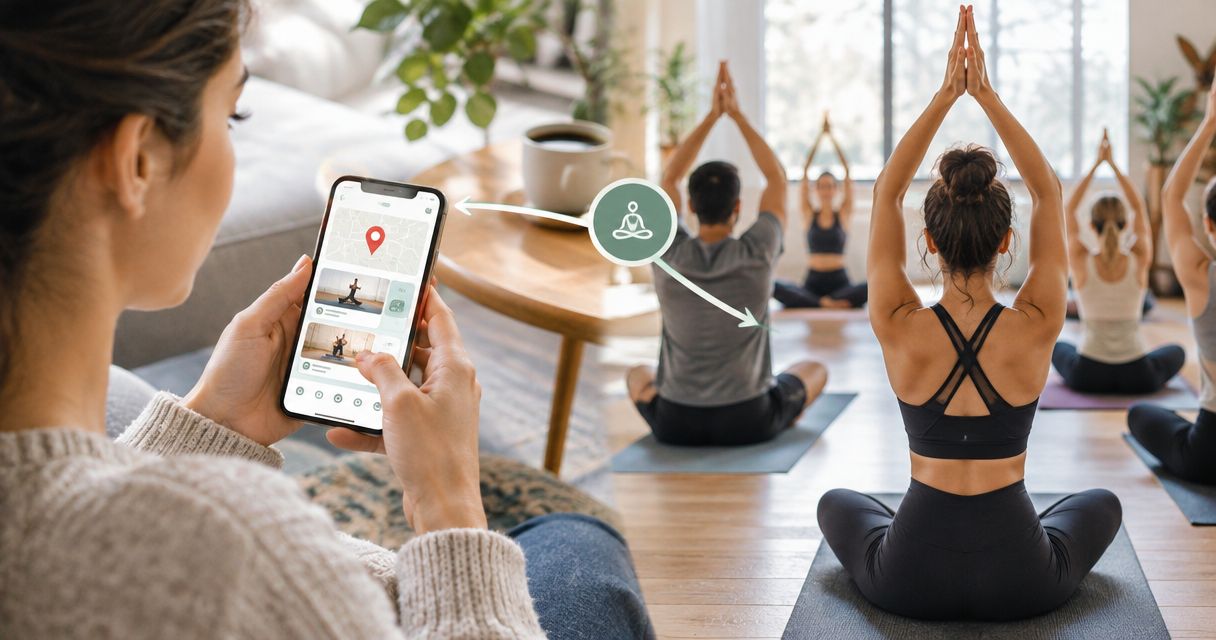
4. Vinyasa: best for linking yoga poses with movement
Vinyasa links yoga poses through movement and breath. Its difficulty depends partly on transitions, pacing, and the versions of poses you choose—not just how challenging an individual posture looks.
Unified Hot Yoga offers infrared-heated Vinyasa. For a 2026 first visit, ask how the instructor introduces transitions and what alternatives are appropriate when you need to slow down.
Vinyasa pros:
- Fits readers who prefer movement between yoga poses.
- Brings breath and transitions into the practice.
- Offers a yoga alternative to exercise-focused Pilates formats.
Vinyasa cons:
- Transitions introduce coordination demands for newcomers.
- Heat adds a separate consideration from pose difficulty.
- The label does not establish how quickly a particular session moves.
Best for: Someone who wants flowing yoga rather than Pilates or a repeated yoga sequence.
Verdict: Choose Vinyasa for flowing movement; confirm the pace before treating it as your easiest starting point.
5. 26&2 yoga: best for a recognizable yoga sequence
The 26&2 format follows a defined sequence of yoga postures and breathing exercises. That structure gives you a different learning experience from a class built around changing transitions.
Unified Hot Yoga offers infrared-heated 26&2 yoga. A recognizable sequence helps you know the format, but it does not remove the effort of holding positions or practicing in heat.
26&2 yoga pros:
- Provides a defined sequence to become familiar with.
- Suits readers who prefer structure over changing flows.
- Offers a clear alternative to Pilates and Barre.
26&2 yoga cons:
- A repeated structure is not an intensity guarantee.
- Heat and posture holds need separate consideration.
- Familiarity with the sequence does not replace attention to technique.
Best for: Someone who values a recognizable yoga structure and wants to learn it over time.
Verdict: Choose 26&2 for its sequence; do not use predictability as a substitute for pacing yourself.
6. Yin yoga: best for a slower-paced yoga practice
Yin generally uses longer-held poses rather than continuous movement between positions. That makes it a different experience from Hot Pilates, not a lower setting on the same workout scale.
The studio offers infrared-heated Yin. Ask how poses are supported and adjusted, especially if you are unfamiliar with sustained positions; stillness does not make discomfort something to ignore.
Yin yoga pros:
- Fits a preference for less continuous movement.
- Gives you a distinct alternative to flowing yoga.
- Lets you explore a longer-held yoga format.
Yin yoga cons:
- Longer holds can feel challenging despite the slower pace.
- It does not serve the same purpose as a Pilates workout.
- Heat remains relevant even when movement is limited.
Best for: Someone seeking slower-paced yoga rather than a heated Pilates workout.
Verdict: Choose Yin for the practice itself; skip it as a supposed substitute for easy Pilates.
How these recommendations are ordered
These recommendations use format, heat exposure, learning demands, and newcomer questions—not invented intensity scores. Hot Pilates comes first because it answers the search directly; the remaining options occupy different use cases rather than competing for the same winner label.
No class receives a numerical difficulty rating. Without session-specific measurements and comparable conditions, a countywide hardest-to-easiest leaderboard would imply more certainty than the class names support.
Prepare for your first class
Preparation starts with a conversation, not a harder workout. Use this sequence before your first visit in 2026.
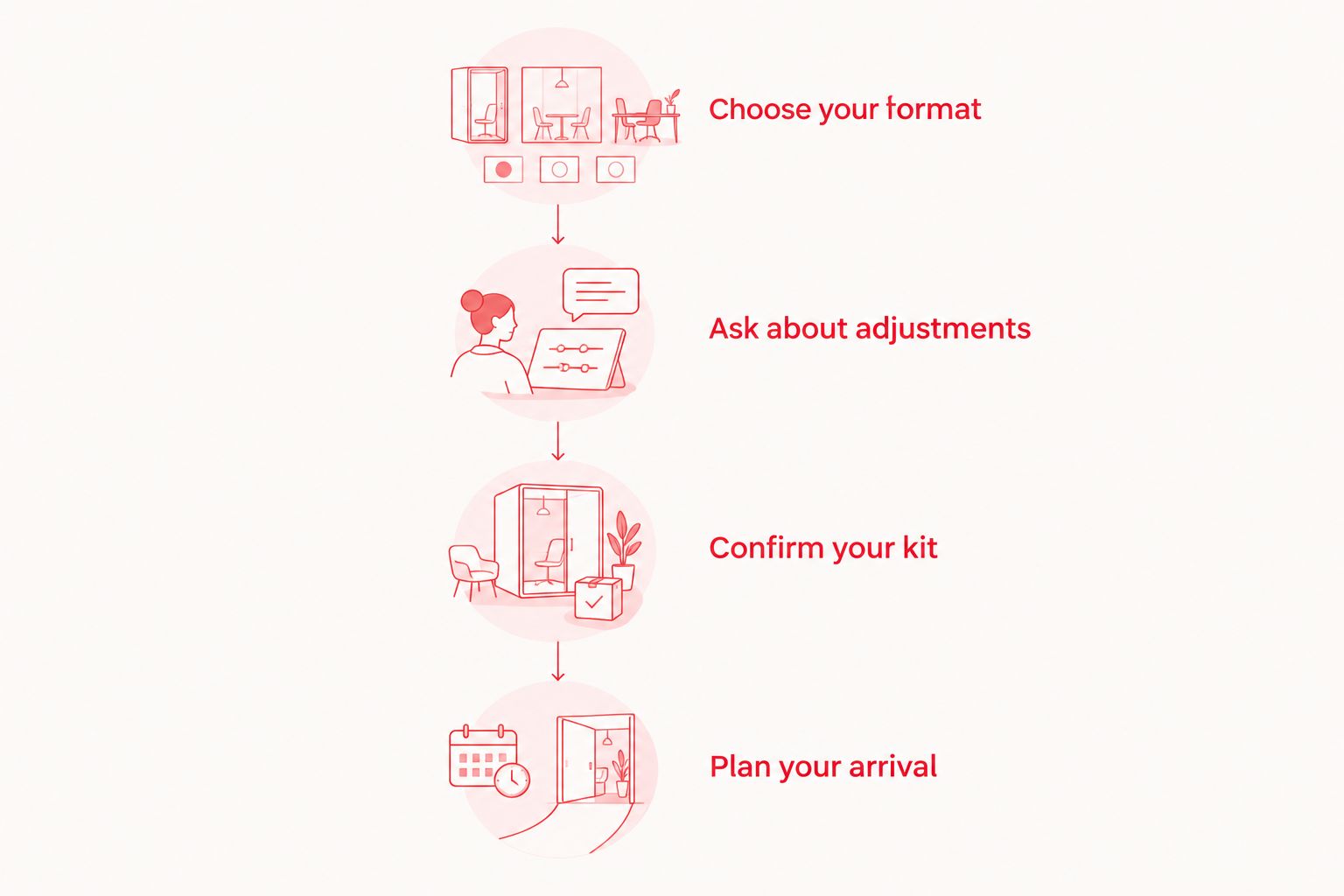
- Choose your format. Decide whether you want heated Pilates, equipment-based exercise, Barre, flowing yoga, a defined yoga sequence, or slower-paced holds.
- Ask about adjustments. Tell the studio you are new and ask what instruction and movement alternatives to expect.
- Confirm your kit. Ask about mats, towels, footwear, and any equipment requirements. Bring drinking water and clothing suitable for movement; verify what the studio supplies.
- Plan your arrival. Confirm check-in expectations and allow time to discuss unfamiliar equipment or relevant limitations before class begins.
During class, do not use another person's pace as your target. Stop exercising if you feel faint, dizzy, or unwell, alert the instructor, and move to a cooler place; seek urgent help for severe symptoms. Ask a healthcare professional about heated exercise if you have a medical condition or another reason to question its suitability.
Which class should you choose?
Choose Hot Pilates if heated Pilates is what you want. Choose Reformer Pilates for apparatus-based practice, Barre for barre-based movement, Vinyasa for flow, 26&2 for a defined sequence, and Yin for slower-paced yoga.
Before choosing a membership, consider the class format and attendance pattern you actually want. Check the studio's Prices page for current intro offers and memberships rather than relying on figures copied into a 2026 guide.
FAQ
What's the most intense Hot Pilates class in Utah County?
A defensible countywide winner requires comparable information about individual sessions. Compare heat, exercise pace, resistance, breaks, and instruction rather than treating class names as measured intensity scores.
Is Hot Pilates harder than Reformer Pilates?
Neither format is universally harder. Hot Pilates adds heat, while Reformer Pilates introduces equipment and spring-based resistance; the exercises and your experience determine much of the challenge.
Can a beginner take Hot Pilates at Unified Hot Yoga?
Unified Hot Yoga serves practitioners of all skill levels and offers Hot Pilates. Ask which session suits a first visit and how the instructor introduces modifications before booking.
Is Yin the easiest alternative to Hot Pilates?
Yin is a slower-paced yoga format, not an easier version of Pilates. Longer-held poses and a heated setting still require attention to comfort and appropriate adjustments.
What should I bring to my first Hot Pilates class?
Bring drinking water and clothing suitable for movement, and confirm mat, towel, and footwear requirements with the studio. Ask what is supplied rather than assuming equipment is included.
Are Barre and Reformer Pilates heated too?
Do not assume Barre or Reformer Pilates uses the same room conditions as a heated yoga or Hot Pilates session. Confirm the conditions for the particular class you plan to attend.
Should I choose the hardest class before buying a membership?
Choose a class you want to attend consistently, not simply the hardest-sounding option. Review current membership information after considering instruction, scheduling, and how the format feels for you.
One last thing
Slower does not always mean easier, and sweat is not a score. After your first class, ask whether you understood the instructions, felt comfortable asking for help, and want to return. Those answers give your next booking a clearer direction than trying to win an intensity ranking.