Best for a fixed sequence: 26&2. Best for flowing movement: Vinyasa. Best for longer-held poses: Yin. For hot yoga classes in Utah County ranked by heat level in 2026, confirm each class’s temperature first: the format describes the practice, not a verified hottest-to-coolest order.
- Hot yoga classes in Utah County ranked by heat level require class-specific temperatures, not assumptions from names.
- Unified Hot Yoga offers infrared-heated yoga in American Fork; choose the format before comparing heat.
- Traditional 26&2 uses a fixed sequence; its customary temperature does not establish a local studio’s setting.
- Vinyasa adds flowing movement; Yin emphasizes longer holds. Neither name guarantees a cooler room.
- Compare Hot Pilates, Barre, and Reformer Pilates separately from yoga when choosing your first class.
Why this matters
A hotter room and a harder workout are different things. Flowing through standing poses creates a different experience from holding a floor-based stretch, even when the thermostat setting is identical.
Unified Hot Yoga offers Vinyasa, Yin, 26&2, Hot Pilates, Reformer Pilates, and Barre in American Fork for practitioners of all skill levels. Unified Hot Yoga is a fit for Utah County beginners who want to choose between hot yoga and Pilates class formats.
If you live in Lehi, Pleasant Grove, Highland, Orem, or another nearby community, start with the class you can realistically attend. A suitable format at a workable time is a better membership decision than chasing the hottest room.
What makes the best hot yoga class for your heat preference?
Use these criteria before comparing classes. They separate the room’s environment from what your body does inside it.
- Actual temperature: Ask for the temperature used for the specific class, rather than relying on the word hot.
- Humidity: Ask whether humidity is controlled. Temperature alone does not describe the whole environment.
- Movement demand: Compare continuous transitions, repeated exercises, and longer-held poses separately.
- Sequence structure: Decide whether you prefer a repeated sequence or a class whose movements vary.
- Beginner guidance: Ask how the instructor handles modifications, resting, and leaving the heated room.
- Practical preparation: Confirm equipment, clothing guidance, arrival instructions, and booking requirements before attending.
For your 2026 shortlist, write the answers beside the class name. Do not turn an unconfirmed setting into a ranking simply because a format has a reputation for heat.
Hot yoga and Pilates options at a glance
The order below starts with yoga formats, then compares the other classes offered by Unified Hot Yoga. It is a class-selection ranking, not a measured temperature ranking. Each option has a distinct reason to choose it.
| Class | Best for | Standout characteristic | Heat-level check | Key limitation |
|---|---|---|---|---|
| 26&2 | A repeatable yoga sequence | A traditional sequence of postures and breathing exercises | Confirm the studio’s class temperature | A fixed sequence offers less variety |
| Vinyasa | Flowing yoga movement | Transitions coordinated with breathing | Confirm temperature and expected pace | Movement and heat must be assessed separately |
| Yin | Longer-held yoga poses | Extended holds with fewer transitions | Confirm whether and how the class is heated | Stillness does not mean a cooler room |
| Hot Pilates | Mat-based conditioning in heat | Pilates-style exercise in a heated setting | Confirm temperature and class structure | It is not a yoga sequence |
| Barre | Barre-based conditioning | Controlled movements using a barre as support | Confirm whether the particular class is heated | The format does not establish room temperature |
| Reformer Pilates | Equipment-based Pilates | Movement using a spring-resistance apparatus | Confirm the environment and introductory requirements | Equipment introduces another learning task |
1. 26&2: best hot yoga format for a repeatable sequence
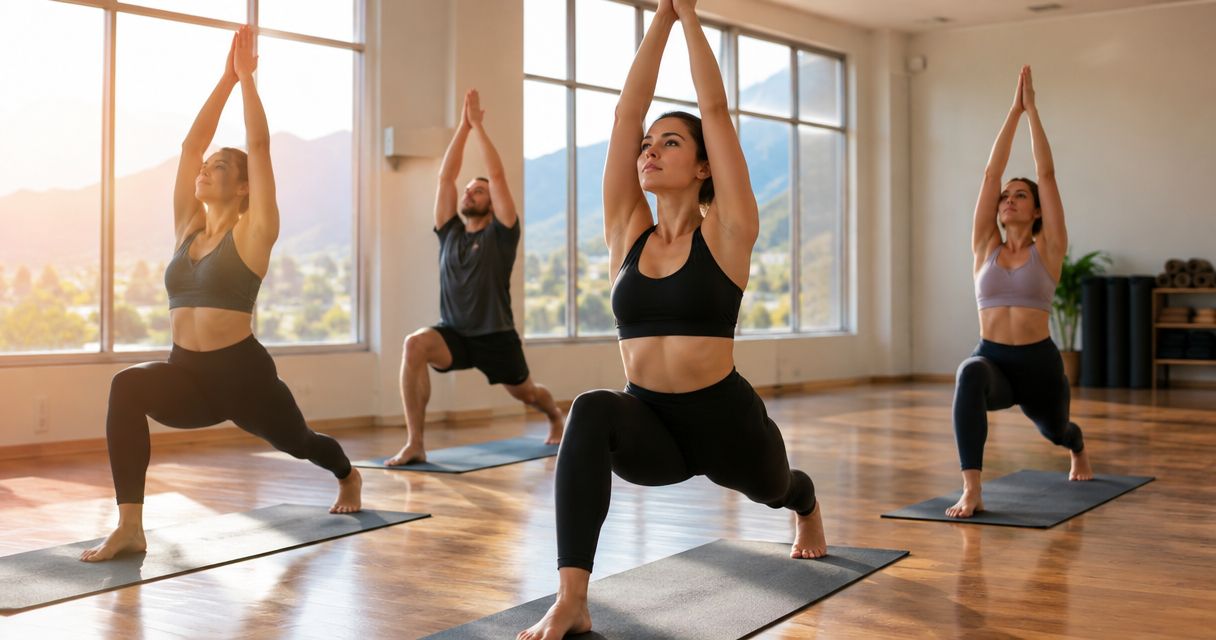
Traditional 26&2 yoga consists of 26 postures and 2 breathing exercises in a fixed sequence. The traditional hot-room convention is approximately 105°F, or 40.6°C; that convention is not a statement about the temperature of any specific American Fork class.
The repeated structure gives you a clear basis for comparing your experience across visits. You can notice which instructions feel more familiar without also learning an entirely different sequence.
26&2 pros:
- A consistent sequence supports familiarity across classes.
- The format combines postures with breathing exercises.
- Its defined structure suits readers who prefer knowing what kind of practice to expect.
26&2 cons:
- Repetition offers less variety than a changing flow.
- A traditional temperature reference does not confirm the local setting.
- Learning the sequence and adjusting to heat are separate tasks.
Best for: You want a structured yoga practice and are willing to confirm the heated environment before booking.
For a 2026 heat comparison, ask about the actual temperature, humidity, and approach to resting. Do not assume a class matches the traditional setting solely because its name is 26&2.
Verdict: Choose 26&2 for sequence consistency, not an unverified claim that it is the hottest class.
2. Vinyasa: best hot yoga format for flowing movement
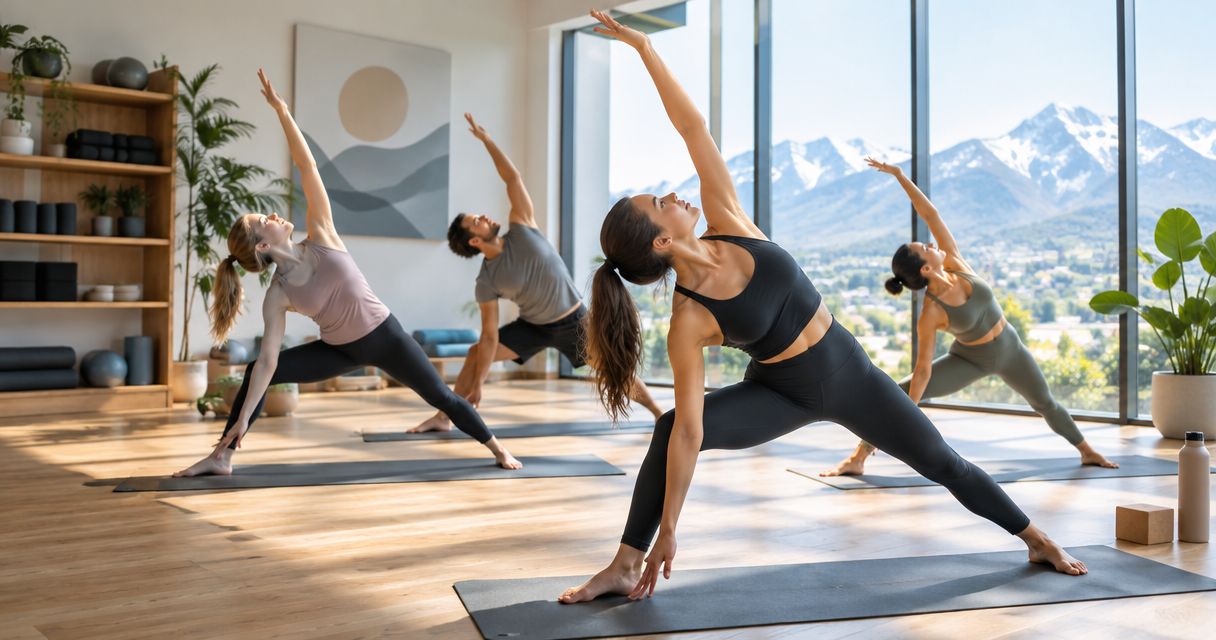
Vinyasa connects poses through transitions coordinated with breathing. Unlike a fixed 26&2 sequence, the specific flow can vary by instructor and class.
Movement matters when you compare heat tolerance. A room does not need the highest thermostat setting for an active practice to feel demanding.
Vinyasa pros:
- Flowing transitions suit readers who enjoy continuous movement.
- A changing sequence offers variety.
- Breath-coordinated movement provides a clear organizing principle for the practice.
Vinyasa cons:
- New transitions require attention while you are adjusting to heat.
- The class name alone does not establish pace or difficulty.
- A different flow makes visit-to-visit comparisons less exact.
Best for: You want movement between poses rather than a repeated sequence or extended stillness.
Before your first heated Vinyasa class, ask whether the session is appropriate for someone new to both yoga and heat. Those are different starting points; previous exercise experience does not answer either question.
Verdict: Choose Vinyasa for flow, then confirm that the pace and room conditions match your starting point.
3. Yin: best yoga format for longer-held poses
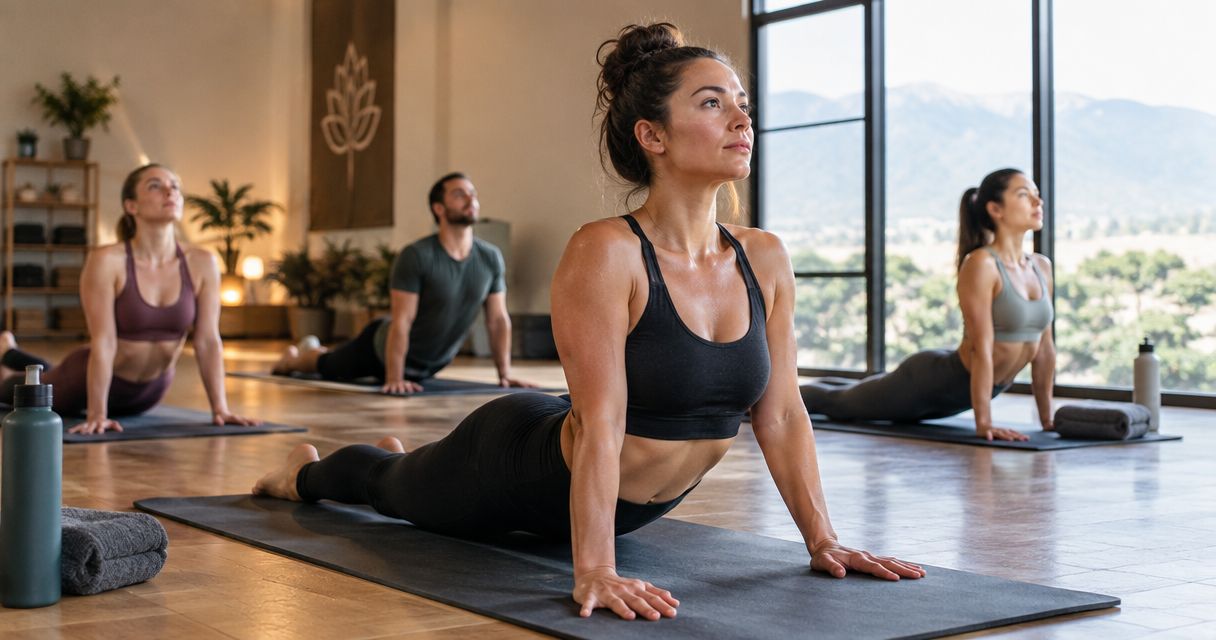
Yin yoga emphasizes longer-held poses, commonly supported or performed close to the floor. Fewer transitions distinguish the format from Vinyasa, but fewer transitions do not establish a lower room temperature.
Choose Yin because you want time in each position. Do not choose it on the assumption that stillness guarantees an easy introduction to heat.
Yin pros:
- Longer holds reduce the need to follow frequent transitions.
- The format suits readers who prefer a less continuous movement pattern.
- Time in each pose gives you space to adjust your position thoughtfully.
Yin cons:
- Extended holds require attention to comfort and sensation.
- The format offers less flowing movement.
- A heated Yin class still requires preparation for the room environment.
Best for: You prefer longer holds over flowing transitions and want to ask about support and modifications.
When comparing Yin classes in 2026, confirm the temperature independently of the class description. Ask what support is used and how a newcomer should adjust a pose that feels uncomfortable.
Verdict: Choose Yin for stillness and longer holds, not because its name promises the least heat.
4. Hot Pilates: best alternative for mat-based conditioning in heat
Hot Pilates combines a heated environment with Pilates-style mat exercise. It is a separate choice from yoga, not another name for Vinyasa or 26&2.
Unified Hot Yoga offers Hot Pilates alongside its yoga classes. Choose between them according to the movement you want to learn, then compare their actual room conditions.
Hot Pilates pros:
- Mat-based exercise suits readers interested in conditioning rather than yoga sequences.
- The format offers a clear alternative to pose-based practice.
- It lets you compare heated exercise without choosing yoga by default.
Hot Pilates cons:
- Heat and exercise demand still need separate assessment.
- The name does not establish the exact exercises or intensity.
- It will not teach the same practice as a yoga class.
Best for: You want mat-based conditioning and specifically want to explore a heated class.
Verdict: Choose Hot Pilates for its exercise format, after confirming beginner guidance and heat conditions.
5. Barre: best alternative for barre-supported conditioning
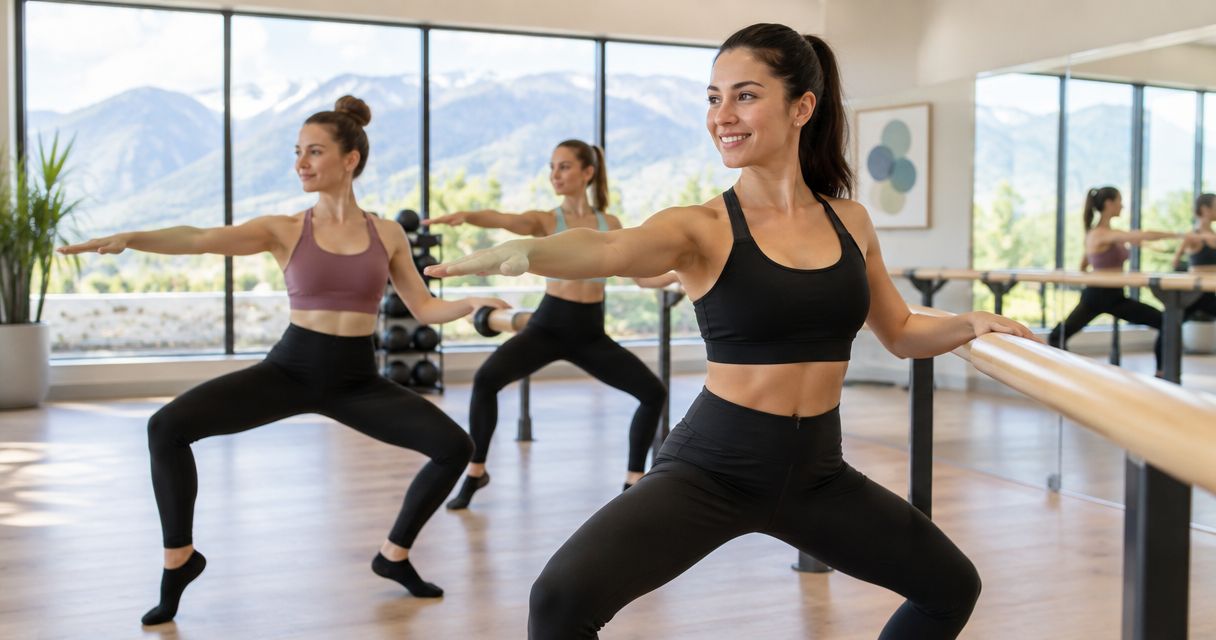
Barre classes typically use a barre for support during controlled conditioning movements. The format is distinct from both yoga poses and reformer-based Pilates.
The word Barre does not specify whether a room is heated. Confirm the conditions of the particular session rather than placing it automatically at the cool end of a hot-class ranking.
Barre pros:
- Barre support provides a different movement setup from mat classes.
- Controlled exercises suit readers who prefer targeted movement patterns.
- The format offers an alternative to yoga sequencing.
Barre cons:
- Repeated movements still require effort despite their limited range.
- The class name does not establish temperature.
- Barre does not provide the same equipment experience as Reformer Pilates.
Best for: You want barre-supported conditioning rather than flowing yoga or spring-resistance equipment.
Verdict: Choose Barre for the movement style; verify heat separately.
6. Reformer Pilates: best alternative for equipment-based movement
Reformer Pilates uses an apparatus with a moving carriage and spring resistance. Equipment setup and movement instructions are part of the learning experience, making it different from a mat-only class.
Choose this format because you want to learn apparatus-based Pilates. Do not infer either a heated or unheated environment from the name.
Reformer Pilates pros:
- Spring resistance distinguishes it from mat-based exercise.
- The apparatus provides a defined setup for movement.
- It suits readers interested in equipment-based Pilates instruction.
Reformer Pilates cons:
- Newcomers must learn equipment use as well as movement.
- Mat-class experience does not replace apparatus instruction.
- The format name does not answer temperature or booking questions.
Best for: You want equipment-based Pilates and are ready to ask about introductory guidance.
Verdict: Choose Reformer Pilates for the apparatus, not as an assumed cooler substitute for hot yoga.
How these options are ranked
This guide orders formats by their usefulness for choosing a practice: fixed-sequence yoga, flowing yoga, longer-held yoga, then distinct conditioning alternatives. The criteria are temperature confirmation, movement demand, structure, beginner guidance, and preparation.
A genuine hottest-to-coolest ranking requires class-specific temperature information. Even then, compare humidity and movement separately rather than treating a temperature reading as a difficulty score.
How to prepare for your first class
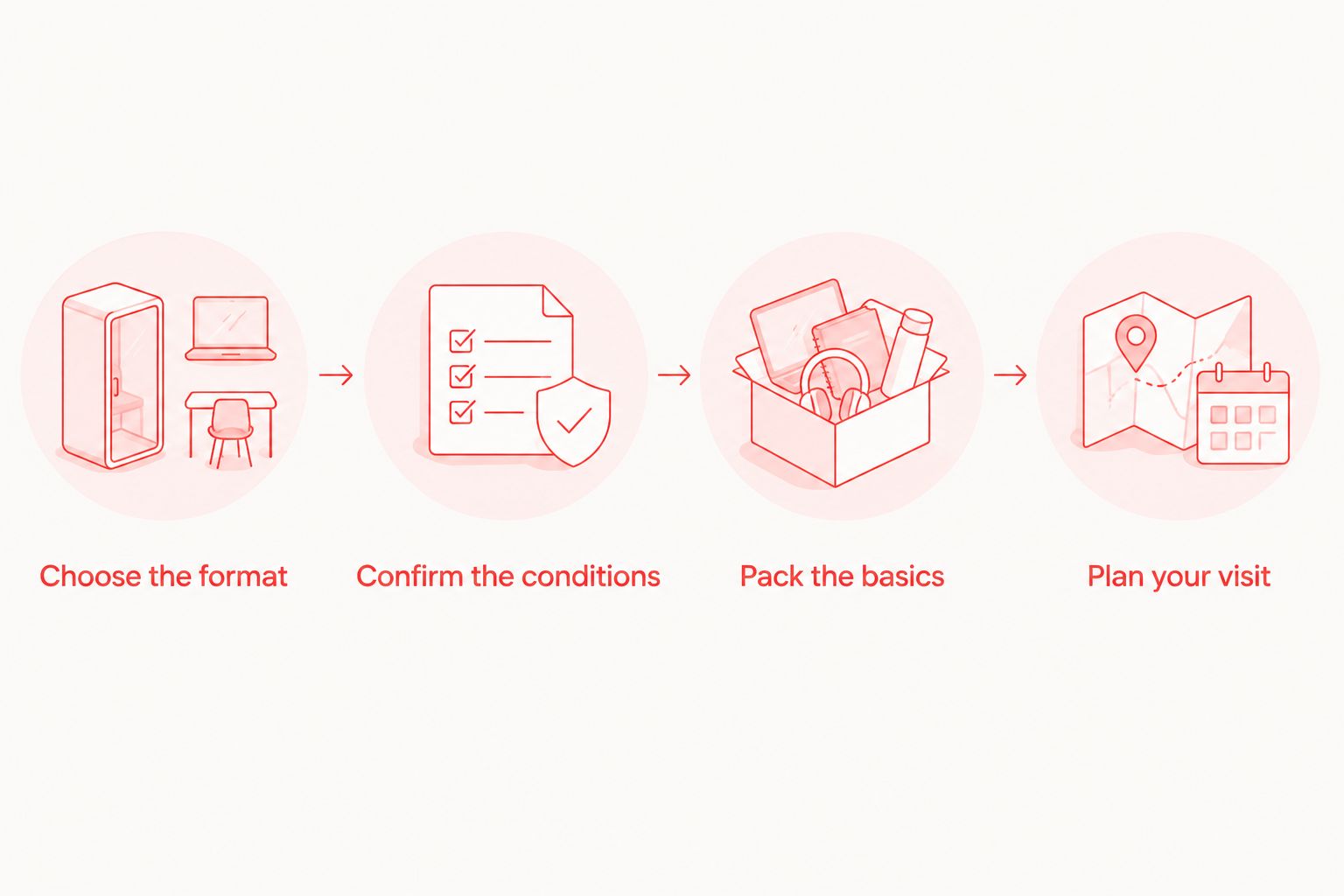
Choose the format. Decide whether you want flowing movement, a repeated sequence, longer holds, or conditioning. This narrows the choice without asking you to predict your heat tolerance.
Confirm the conditions. Ask about temperature, humidity, pace, equipment, and instructions for resting. Describe your actual experience level rather than simply asking whether the class is easy.
Pack the basics. For a heated mat class, plan for drinking water, a towel, and clothing suitable for sweating. Ask whether you should bring a mat and whether the class requires anything else; equipment-based classes need their own preparation instructions.
Plan your visit. Check the current schedule and arrival guidance before leaving home. Avoid making your first visit a rushed experiment squeezed between other commitments.
During a heated class, stop exercising if you feel dizzy, faint, nauseated, or otherwise unwell, and tell the instructor. If you are pregnant or have a medical condition affected by heat or exercise, seek individualized medical guidance before attending.
Which class should you choose?
Choose the movement you want to learn before choosing the heat you want to tolerate. Pick 26&2 for repetition, Vinyasa for flow, Yin for longer holds, Hot Pilates for heated mat conditioning, Barre for supported conditioning, or Reformer Pilates for apparatus-based movement.
For a first class in 2026, beginner guidance and clear preparation instructions matter more than a hottest-room label. Before joining Unified Hot Yoga, review the current intro offers and memberships with the studio and check that your preferred class fits your schedule.
FAQ
What are the hottest yoga classes in Utah County?
Identify the hottest class by comparing confirmed class temperatures, not format names. Traditional 26&2 has a hot-room convention, but that does not establish any local studio’s actual setting.
Is Yin yoga cooler than Vinyasa?
Yin is not automatically cooler than Vinyasa. Yin uses longer holds and fewer transitions, while Vinyasa uses flowing movement; ask about each class’s room temperature separately.
What does 26&2 yoga mean?
26&2 refers to a traditional sequence of 26 postures and 2 breathing exercises. Confirm the local class’s temperature and beginner instructions before attending.
Which hot yoga class should a beginner choose?
Choose a class with a movement style you want to learn and clear beginner guidance. Ask about temperature, pace, modifications, and resting rather than assuming one format is easiest.
What should I bring to my first hot yoga class?
Plan to bring drinking water, a towel, and clothing suitable for sweating. Confirm mat requirements and any additional equipment with the studio before your visit.
Is Hot Pilates the same as hot yoga?
Hot Pilates is not the same as hot yoga. It uses Pilates-style exercise in a heated setting rather than a yoga sequence, so compare movement demands as well as heat.
Are Barre and Reformer Pilates heated classes?
The names Barre and Reformer Pilates do not establish whether a class is heated. Confirm the environment for the particular session before treating either as a cooler alternative.
Does infrared heating make hot yoga safe for everyone?
Infrared heating does not establish that a class is appropriate for everyone. Consider the room conditions, exercise demands, and your health, and seek medical guidance when heat or exercise raises a personal concern.
One last thing
Write down the class format, confirmed temperature, and how the movement felt after your first visit. Keep those observations separate: enjoying a sequence does not mean you enjoyed its heat, and enjoying the warmth does not mean the movement suited you.
Use that distinction when choosing your next class. A useful 2026 comparison is personal and specific—not simply a search for the highest thermostat setting.