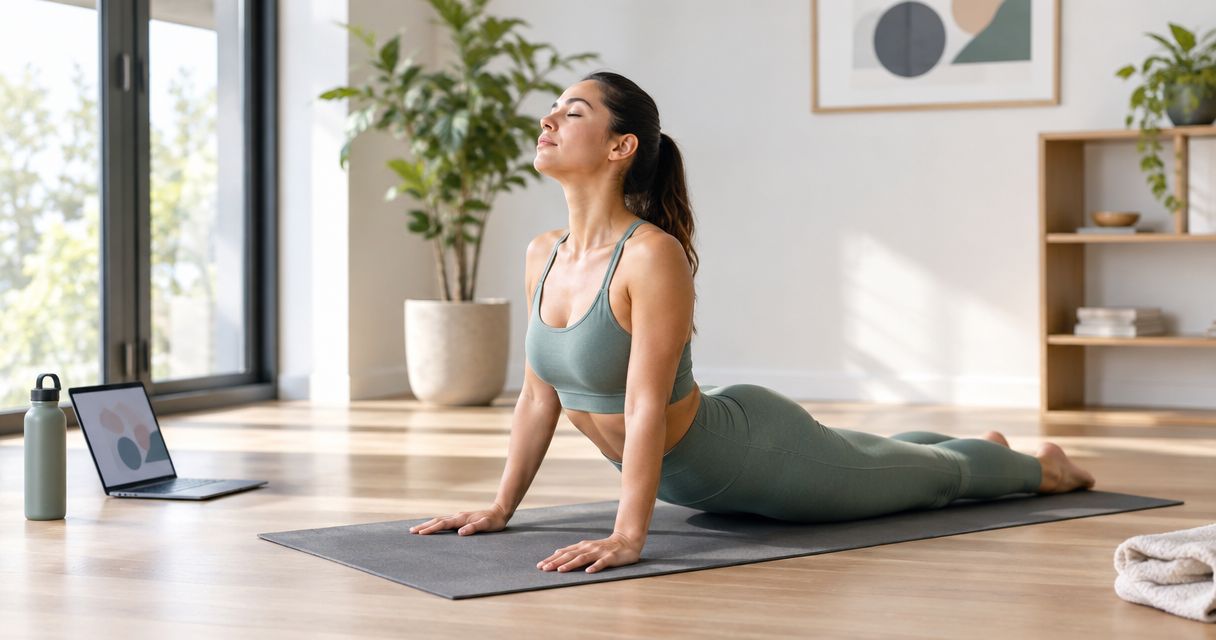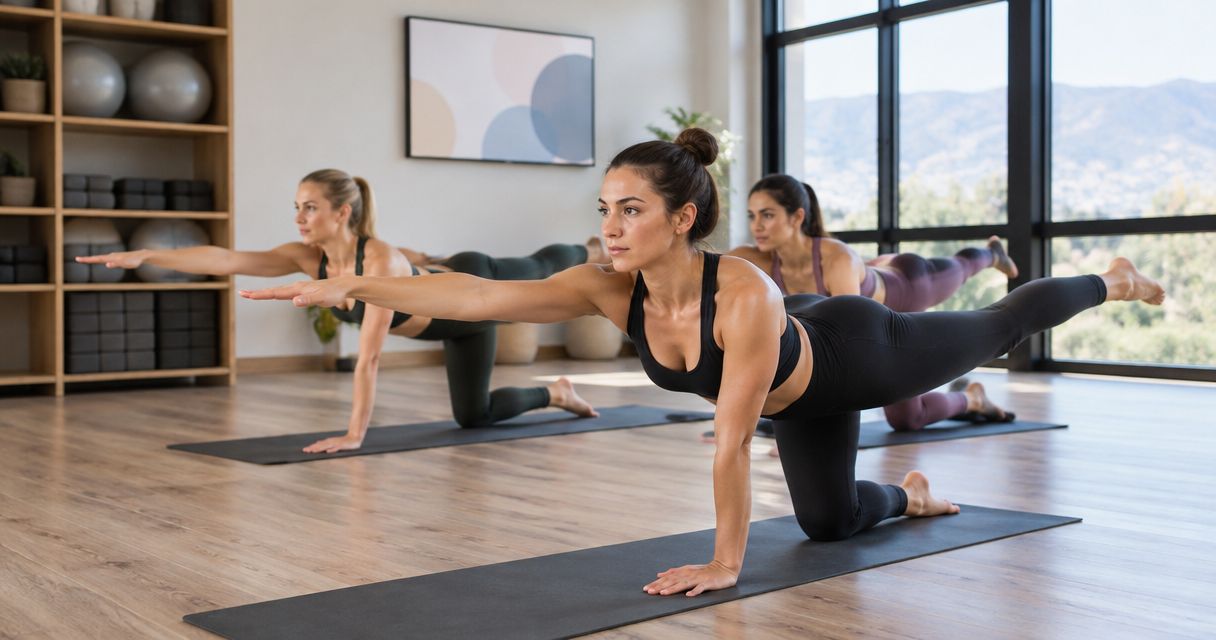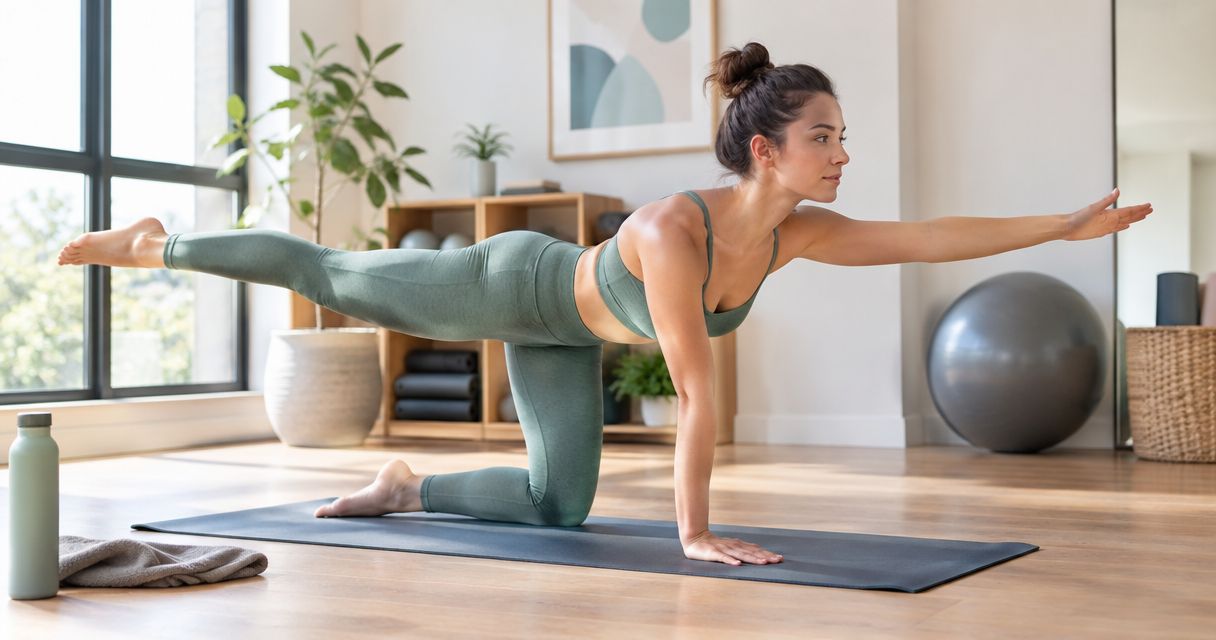
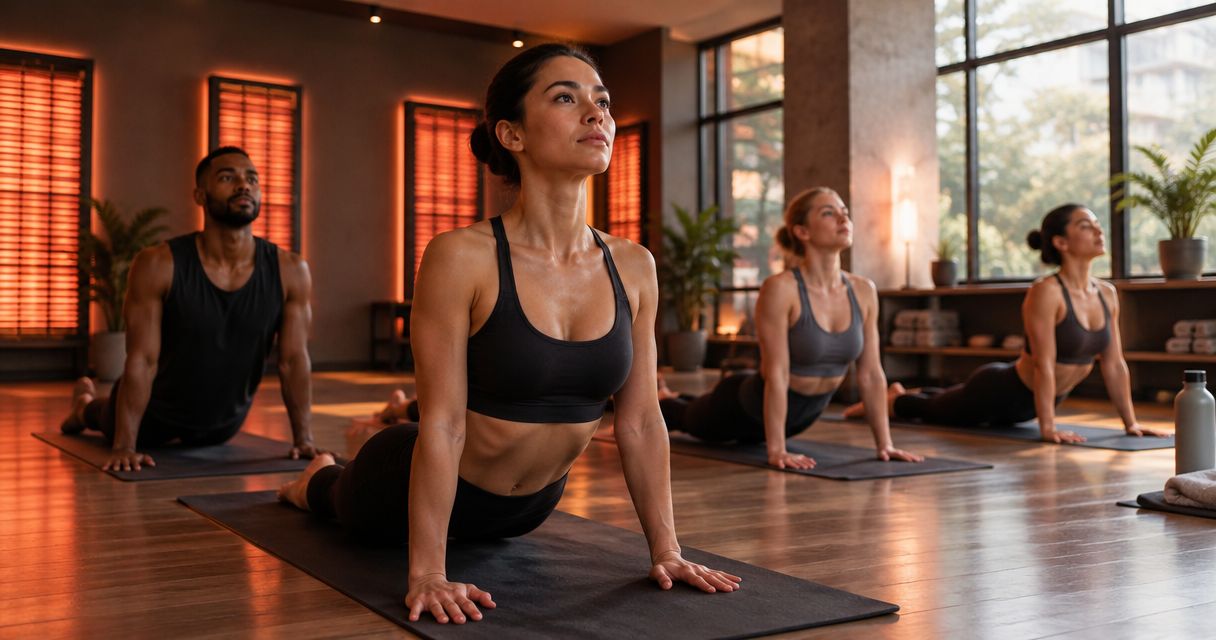
Best for a slower introduction: Yin. Best for movement-led practice: Vinyasa. Best for a repeating sequence: 26&2. The best infrared hot yoga classes for beginners match how you prefer to learn; Unified Hot Yoga offers these yoga formats alongside Hot Pilates, Reformer Pilates, and Barre in American Fork.
- The best infrared hot yoga classes for beginners depend on pace: choose Yin, Vinyasa, or 26&2 by learning preference.
- Unified Hot Yoga offers infrared-heated yoga and Pilates classes for all skill levels in American Fork.
- Hot Pilates, Reformer Pilates, and Barre are alternatives, not interchangeable names for hot yoga.
- Bring water, tell the instructor you are new, and choose modifications instead of chasing depth.
Why your first class choice matters
Your first class asks you to learn movements, follow instructions, and notice how you respond to the room. Choosing a format that suits your attention makes that introduction more manageable. Heat is not a reason to push harder.
For beginners choosing a class in 2026, the useful distinction is held poses, flowing movement, or a repeated sequence. Pilates and Barre offer different movement approaches. They deserve consideration without being presented as yoga or as easier versions of it.
Unified Hot Yoga is a fit for American Fork beginners who want to choose among yoga, Pilates, and Barre rather than commit to one movement style immediately.
What makes the best beginner infrared hot yoga class?
Use these criteria before choosing a class or membership:
- Pace: Decide whether you prefer time in a posture or movement between postures. Slower does not automatically mean less demanding.
- Predictability: A familiar sequence gives you something recognizable to return to; a varied flow suits people who enjoy changing movement.
- Instruction: Tell the instructor you are new and ask how to modify the movements before class begins.
- Heat readiness: Consider your comfort with a heated room separately from your experience with yoga. Neither replaces the other.
- Practical fit: Choose a class you can attend without rushing. Your trip from American Fork, Lehi, Orem, or another Utah County city belongs in the decision.
Choose the learning style first, then confirm the current class description and schedule. A name alone does not establish the session’s temperature, duration, or teaching pace.
Beginner class options at a glance
This 2026 guide ranks formats by distinct beginner preferences, not by claimed health benefits. The first three are yoga styles; the remaining options help you decide whether a different movement practice fits better.
| Rank and class | Best for | What distinguishes it | Key limitation |
|---|---|---|---|
| 1. Yin | Beginners who prefer stillness | Longer-held postures rather than continuous flow | Staying still requires patience and attention to sensation |
| 2. Vinyasa | Beginners who enjoy moving | Movement connected with breath | Transitions add coordination demands |
| 3. 26&2 | Beginners who value repetition | A standardized posture and breathing sequence | A fixed sequence offers less movement variety |
| 4. Hot Pilates | Beginners seeking heated conditioning | Pilates-based exercise in a heated setting | Heat and muscular effort arrive together |
| 5. Reformer Pilates | Beginners curious about equipment | A moving carriage with adjustable spring resistance | Equipment introduces unfamiliar setup and movement |
| 6. Barre | Beginners who like precise standing work | Ballet-influenced positioning and controlled exercise | Small movements still require coordination and effort |
What to bring and how to prepare
Begin with practical preparation, not a shopping list. Confirm what the studio supplies and what you need to bring; do not assume mat rental, towel service, or equipment policies.
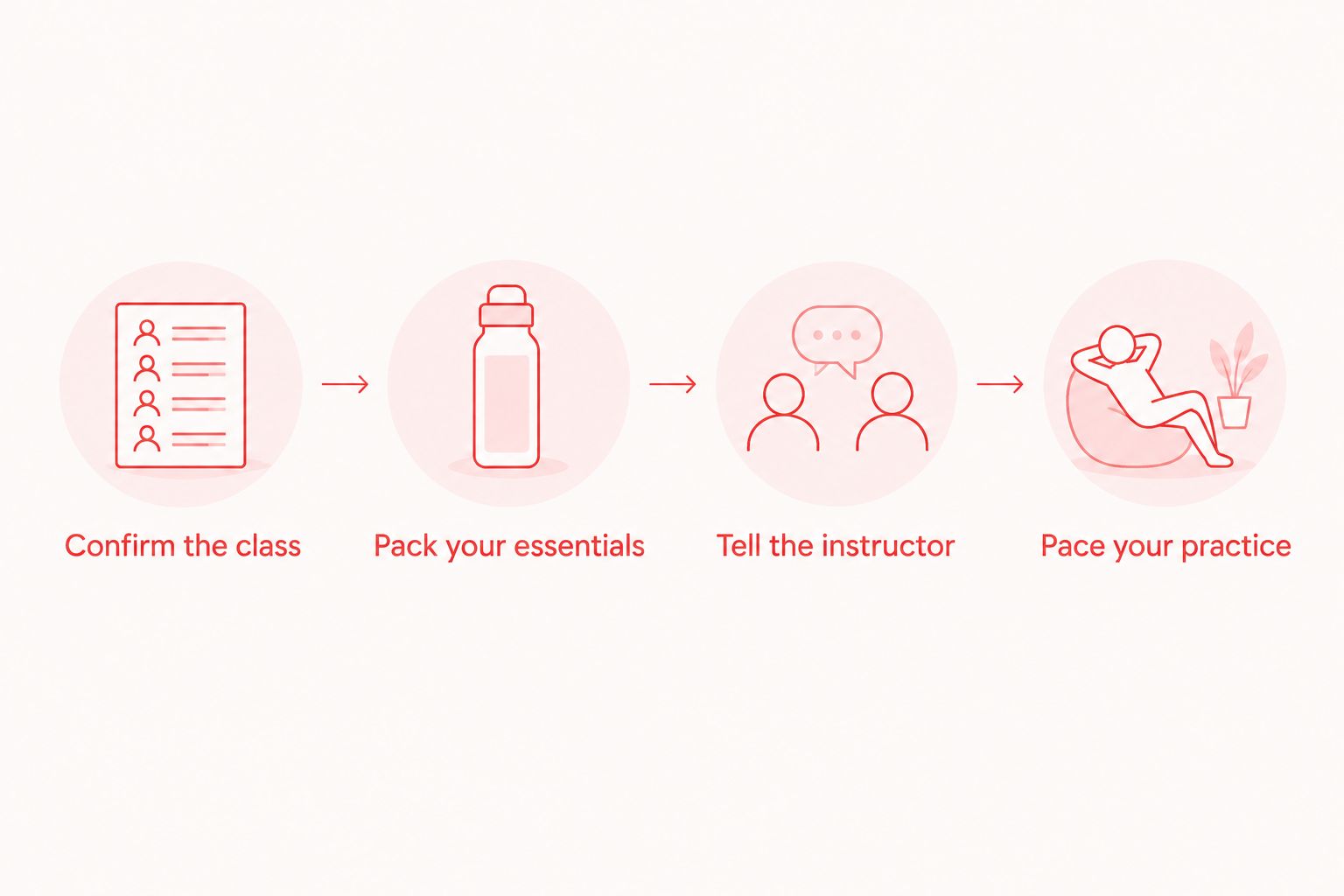
Confirm the class
Check the exact format and ask whether that session welcomes first-time participants. For a heated class, ask about the room conditions and what to do if you need a break. For Reformer Pilates, ask how beginners receive equipment instructions.
Pack your essentials
Bring 1 full water bottle, clothing you can move comfortably in, and a towel for a heated session. Confirm whether you need your own mat and whether footwear or grip socks are required for your chosen format. These are questions to settle before arriving, not assumptions about studio policy.
Tell the instructor
Say that this is your first class and mention relevant movement limitations. Ask how to rest, modify a pose, or step out when necessary. Giving the instructor that context is more useful than trying to appear experienced.
Pace your practice
Start with a comfortable range of motion. Do not force a stretch or keep moving simply because another person does. Stop exercising if you feel unwell; dizziness, nausea, or faintness are reasons to stop, not goals to work through.
If you have a medical condition, are pregnant, or take medication that affects your response to heat, ask your healthcare professional about heated exercise before participating. A beginner label does not establish that a heated class is appropriate for your circumstances.
1. Yin: best infrared hot yoga format for stillness
Yin yoga emphasizes longer-held postures rather than continuous movement. That makes it a useful starting point if you want fewer transitions and time to understand positioning. The slower pace does not remove the need to adjust a posture when the sensation becomes uncomfortable.
Yin pros:
- Fewer transitions to learn while following instructions.
- Time to notice posture setup and your response to a stretch.
- A distinct alternative to movement-led yoga.
Yin cons:
- Remaining still requires patience.
- A long hold can tempt you to pursue more depth than feels comfortable.
Best for: Beginners who prefer a quieter movement experience and time within each posture.
At Unified Hot Yoga, Yin is one of the named yoga options. Before booking in 2026, confirm the current session details rather than assuming every Yin class has identical room conditions.
Verdict: Choose Yin if stillness appeals to you; skip it as your default if you want continuous movement.
2. Vinyasa: best infrared hot yoga format for flowing movement
Vinyasa connects movement with breath. You move between postures instead of spending the entire class in a fixed series of long holds. Sequences vary, so the class name alone does not tell you which transitions the instructor will use.
Vinyasa pros:
- Suits beginners who enjoy learning through movement.
- Introduces the relationship between breath and transitions.
- Offers a different experience from a standardized sequence.
Vinyasa cons:
- Following transitions adds a coordination task.
- Variable sequences give you less predictability between sessions.
Best for: Beginners who like active instruction and are comfortable taking a modification when a transition feels unfamiliar.
Do not measure success by matching every movement. Ask for a simpler option and return to a comfortable position when needed. Your first session is an introduction, not a test of whether you can keep up.
Verdict: Choose Vinyasa if flowing movement keeps you engaged; hold off if transitions make learning feel rushed.
3. 26&2: best infrared hot yoga format for repetition
The traditional 26&2 format uses 26 postures and 2 breathing exercises. Its standardized sequence gives returning students recognizable material to practice. Repetition is the reason to choose this format, not an assurance that the postures are easy.
26&2 pros:
- A consistent sequence supports familiarity over repeated visits.
- The format gives you a defined set of postures to learn.
- Repetition suits people who prefer structure to changing choreography.
26&2 cons:
- A fixed sequence offers less variety.
- Knowing what comes next does not eliminate physical effort or heat-related discomfort.
Best for: Beginners who like learning a routine and revisiting it.
Unified Hot Yoga names 26&2 among its yoga offerings. For your 2026 booking, confirm the session’s instructions and room conditions; the format’s name does not establish the studio’s exact temperature or class length.
Verdict: Choose 26&2 for predictability; skip it if movement variety is your main priority.
4. Hot Pilates: best alternative for heated conditioning
Hot Pilates combines a heated setting with Pilates-based exercise. It is not a yoga sequence, so choose it because you want that exercise approach rather than because it appears interchangeable with hot yoga. Confirm the specific class description before deciding what to expect.
Hot Pilates pros:
- Offers a conditioning-focused alternative to yoga postures.
- Fits people who prefer exercise sequences over a yoga practice.
- Lets you consider Pilates without beginning with a reformer.
Hot Pilates cons:
- Muscular effort and heat need attention at the same time.
- The name does not establish a standardized exercise sequence.
Best for: Beginners who want Pilates-based movement and specifically want a heated setting.
Ask how the instructor adapts exercises for newcomers. Do not assume that a mat-based class requires less effort than equipment-based Pilates.
Verdict: Choose Hot Pilates for heated exercise, not as a substitute for learning yoga postures.
5. Reformer Pilates: best alternative for equipment-based movement
Reformer Pilates uses a carriage and spring resistance. The equipment changes how you perform movements and introduces setup instructions that mat-based formats do not require. Your first priority is understanding the apparatus, not selecting the strongest resistance.
Reformer Pilates pros:
- Offers an equipment-based approach distinct from mat practice.
- Spring resistance can be adjusted within instructor guidance.
- Suits people interested in learning controlled apparatus movements.
Reformer Pilates cons:
- The moving carriage is unfamiliar to first-time users.
- Equipment setup adds instructions beyond the exercise itself.
Best for: Beginners curious about apparatus-based Pilates who are willing to learn the setup carefully.
Do not infer that Reformer Pilates is infrared-heated because the studio also offers heated yoga. Confirm the session conditions and beginner instructions directly.
Verdict: Choose Reformer Pilates if equipment interests you; wait until you understand the setup before changing it independently.
6. Barre: best alternative for precise standing exercise
Barre uses ballet-influenced positions and controlled exercise. It is a fitness format, not a requirement to arrive with dance experience. Small movements can still demand concentration, particularly when you are learning alignment and following instructions together.
Barre pros:
- Offers a distinct option outside yoga and Pilates formats.
- Suits people who enjoy precise positioning.
- Introduces a movement vocabulary different from yoga postures.
Barre cons:
- Small movements are not automatically easy movements.
- Positioning and coordination can feel unfamiliar at first.
Best for: Beginners who enjoy careful standing work and ballet-influenced movement.
Ask about modifications and any footwear requirements before attending. As with Reformer Pilates, do not assume the class is heated without checking its description.
Verdict: Choose Barre for its movement style, not because you expect it to be an easier yoga class.
How these beginner options are ranked
The order follows learning preferences: stillness, flow, repetition, heated conditioning, equipment, and precise standing work. It does not claim that one format produces better health outcomes or is appropriate for every beginner.
For 2026, keep the decision practical. Choose a format you understand, confirm the session details, and make room for modifications. The best first class is not necessarily the class you choose for every future visit.
Which class should you choose first?
Start with Yin if you are undecided and prefer fewer transitions. Choose Vinyasa if you already know you enjoy moving between positions, or 26&2 if recognizing a repeated sequence matters more.
If yoga does not match what you want, consider Hot Pilates, Reformer Pilates, or Barre on their own terms. Unified Hot Yoga offers all of these formats for practitioners of all skill levels; that gives you choices without making them equivalent experiences.
Before choosing a membership, check the current class schedule and membership information. Make sure the format you want fits your actual week, not just an ideal routine.
Choose your first class
Explore the studio, then confirm the class format and beginner preparation before booking.
FAQ
What's the best infrared hot yoga class for a beginner?
Yin is a useful first choice if you prefer stillness and fewer transitions; Vinyasa suits flowing movement, and 26&2 suits repetition. The best infrared hot yoga classes for beginners match a learning preference rather than one universal ranking.
Is Yin easier than Vinyasa for my first class?
Yin involves fewer transitions, but it is not automatically easier than Vinyasa. Longer holds require attention to sensation, while Vinyasa adds the task of moving between postures.
What does 26&2 mean in hot yoga?
The traditional 26&2 format contains 26 postures and 2 breathing exercises. Confirm the specific session details because the name does not establish the studio's temperature or class length.
What should I bring to my first infrared hot yoga class?
Bring water, comfortable movement clothing, and a towel, and confirm whether you need your own mat. Ask the studio what it supplies instead of assuming rentals or towel service.
Can I take a break during my first hot yoga class?
Ask the instructor before class how to rest or step out when needed. Stop exercising if you feel unwell rather than treating discomfort as something you must overcome.
Are Hot Pilates and Reformer Pilates the same thing?
No. Hot Pilates uses a heated setting with Pilates-based exercise, while Reformer Pilates uses a carriage and spring resistance; confirm each session's conditions and beginner instructions.
Do I need experience before trying a class at Unified Hot Yoga?
Unified Hot Yoga offers classes for practitioners of all skill levels. Tell the instructor you are new and confirm which current session fits your experience and movement needs.
Should I choose a studio membership before my first class?
Choose your preferred format and check the current schedule before committing to a membership. Review the studio's current membership information so your choice fits the classes you actually plan to attend.
One last thing
Judge your first class by how clearly you understood the practice, not by how much you sweated. Sweat does not tell you whether a posture was suitable or whether you followed the movement comfortably. Leave knowing which format you tried, what you would modify, and whether you want to return.