Beginners should start hot Pilates with a schedule that leaves recovery days between classes, rather than beginning with daily sessions. Repeat a class when you feel recovered, then add attendance only when you can maintain controlled movement without persistent soreness or exhaustion. For your 2026 routine, make consistency—not the fullest possible calendar—the starting goal.
- How often should beginners do hot pilates? Leave recovery days between classes and increase attendance only after recovering comfortably.
- Unified Hot Yoga offers Hot Pilates for all skill levels in American Fork, alongside yoga, Barre and Reformer Pilates.
- Hot Pilates frequency should account for heat exposure, other workouts and how you feel afterward.
- Stop exercising if you feel dizzy, faint or nauseated; do not treat those symptoms as normal progress.
How often should beginners do hot Pilates?
Start with a class you can recover from before booking your next demanding workout. A beginner schedule should help you learn the movements and understand your response to exercise in heat. It should not require you to push through symptoms to keep an attendance streak.
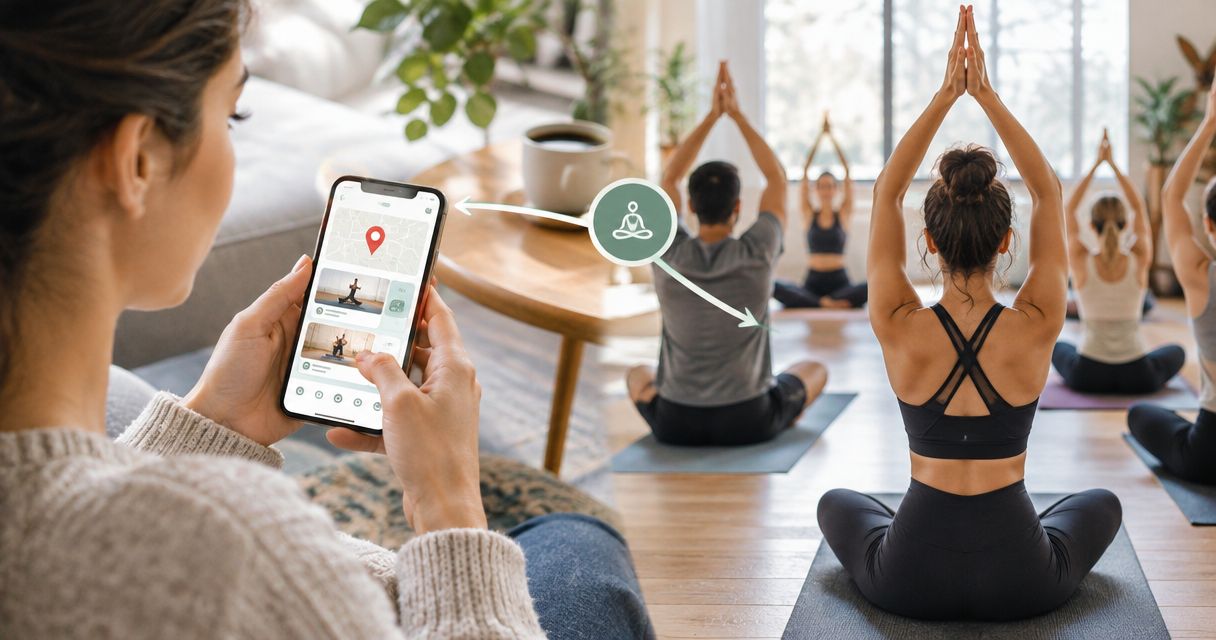
Unified Hot Yoga offers Hot Pilates classes for practitioners of all skill levels in American Fork. Use the Unified Hot Yoga website to review the studio's current information before choosing your first visit.
Think of frequency as a sequence of decisions rather than a fixed weekly target:
| Starting approach | Best for | Main benefit | Main limitation |
|---|---|---|---|
| First class, followed by recovery | Learning your response to heated exercise | Gives you a starting point before committing | Does not establish a routine by itself |
| Repeat attendance with recovery days | Building a manageable beginner routine | Leaves room to assess soreness and energy | Requires planning around other workouts |
| Added attendance after comfortable recovery | Beginners ready to review their routine | Creates more opportunities to practice | Adds exercise and heat exposure to your week |
These are planning approaches, not promises about results. Your next booking should reflect how the previous class affected you, including how you feel later that day and during ordinary activities afterward.
Why this matters
A hot Pilates class asks you to manage exercise and a heated environment at the same time. Being comfortable with a movement outside the studio does not tell you exactly how that movement will feel in heat.
Your 2026 starting schedule should therefore leave room to learn. A useful first visit gives you information: whether you understood the instructions, whether you could adjust your effort, and whether the experience fits your life in Utah County.
The right beginner routine is one you can repeat without ignoring recovery or warning symptoms. Attending more often is not automatically a better decision.
First-class approach: learn before adding attendance
Best for: people new to Pilates, heated exercise or both. Treat your first class as an introduction rather than an assessment you must pass. Tell the instructor that you are new, and ask how to reduce the difficulty or take a break.
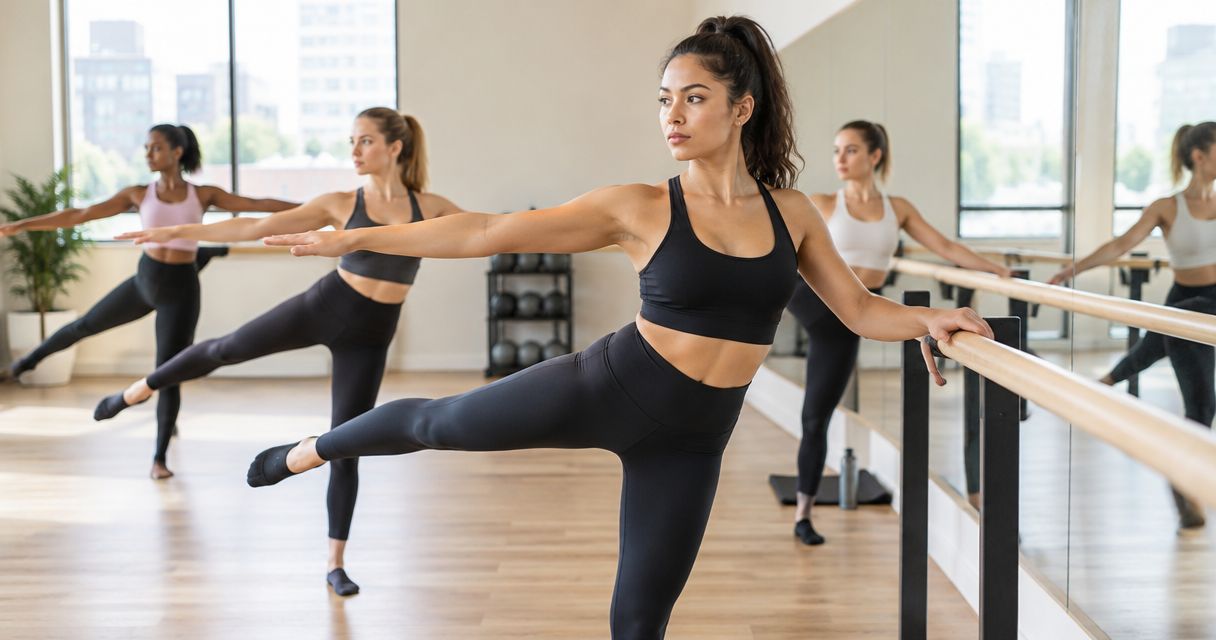
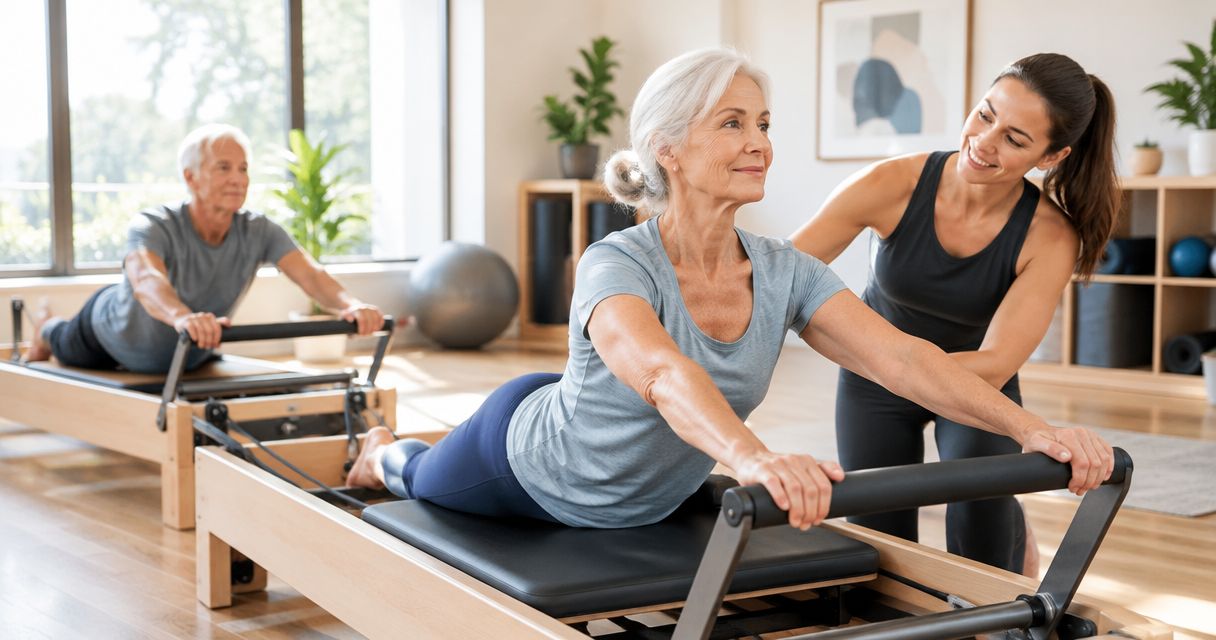
Hot Pilates combines Pilates-based exercise with a heated setting, but class formats differ. Before booking, ask what the session involves, whether it uses equipment, and how the instructor supports newcomers. Do not assume every class with the same name follows the same sequence.
During class, focus on instructions you can follow with control. If you lose the movement pattern, pause and ask for clarification rather than trying to match the pace around you.
The benefit of this approach is space to learn without making a large attendance commitment. Its limitation is that a single experience does not tell you everything about your preferences, particularly if nerves, poor sleep or an unusually demanding day affected your visit.
Repeat-class approach: keep recovery in the schedule
Best for: beginners who want a repeatable routine after their introduction. Choose another class when ordinary movement feels comfortable and you are not carrying persistent fatigue from the previous session.
Look beyond muscle soreness. Ask whether your sleep, energy and other responsibilities feel manageable. You should not need to reorganize the rest of your life around feeling depleted after every visit.
Keep your other exercise visible on the calendar. A run, strength workout, Barre class or physically demanding shift still matters when you decide where another hot Pilates session belongs.
The advantage is a routine with deliberate breathing room. The trade-off is that you must sometimes decline a convenient class time because it sits too close to another demanding activity. That is scheduling well, not falling behind.
Added-attendance approach: change the schedule deliberately
Best for: beginners who recover comfortably and want more practice. Before adding attendance, check that your current routine feels manageable during class and afterward—not just on a particularly energetic morning.
Change attendance without also deciding to make every movement harder. Otherwise, it becomes difficult to identify what made the new routine feel excessive.
More practice creates additional opportunities to hear instructions and refine movements. It also adds another demand on your time, recovery and tolerance for heat. Keep the option to reduce attendance without treating that adjustment as failure.
If you are still unsure which local class suits your starting point, the guide to Hot Pilates classes for beginners in Utah County is a useful next read. Confirm current class details with the studio before booking.
Why beginner hot Pilates frequency varies
Your schedule should reflect your starting point, not someone else's attendance. These factors belong in the decision:
- Exercise background. Familiarity with Pilates movements and familiarity with heated exercise are separate considerations. Tell the instructor about both.
- Other workouts. Count your whole activity schedule, including yoga, running, strength training and physically demanding work.
- Recovery. Persistent soreness, unusual fatigue or discomfort during daily activities are reasons to reassess the next session.
- Response to heat. Feeling unwell in a heated class requires attention, not an attendance goal that overrides it.
- Practical fit. Travel, work, childcare and sleep affect whether a routine is repeatable. Choose class times you can realistically keep.
- Health considerations. Pregnancy, relevant medical conditions and medications that affect heat tolerance warrant individual guidance from a healthcare professional.
No calendar rule replaces those checks. If the plan looks manageable on paper but repeatedly leaves you feeling unwell, change the plan and seek appropriate advice.
How to prepare for your first hot Pilates class
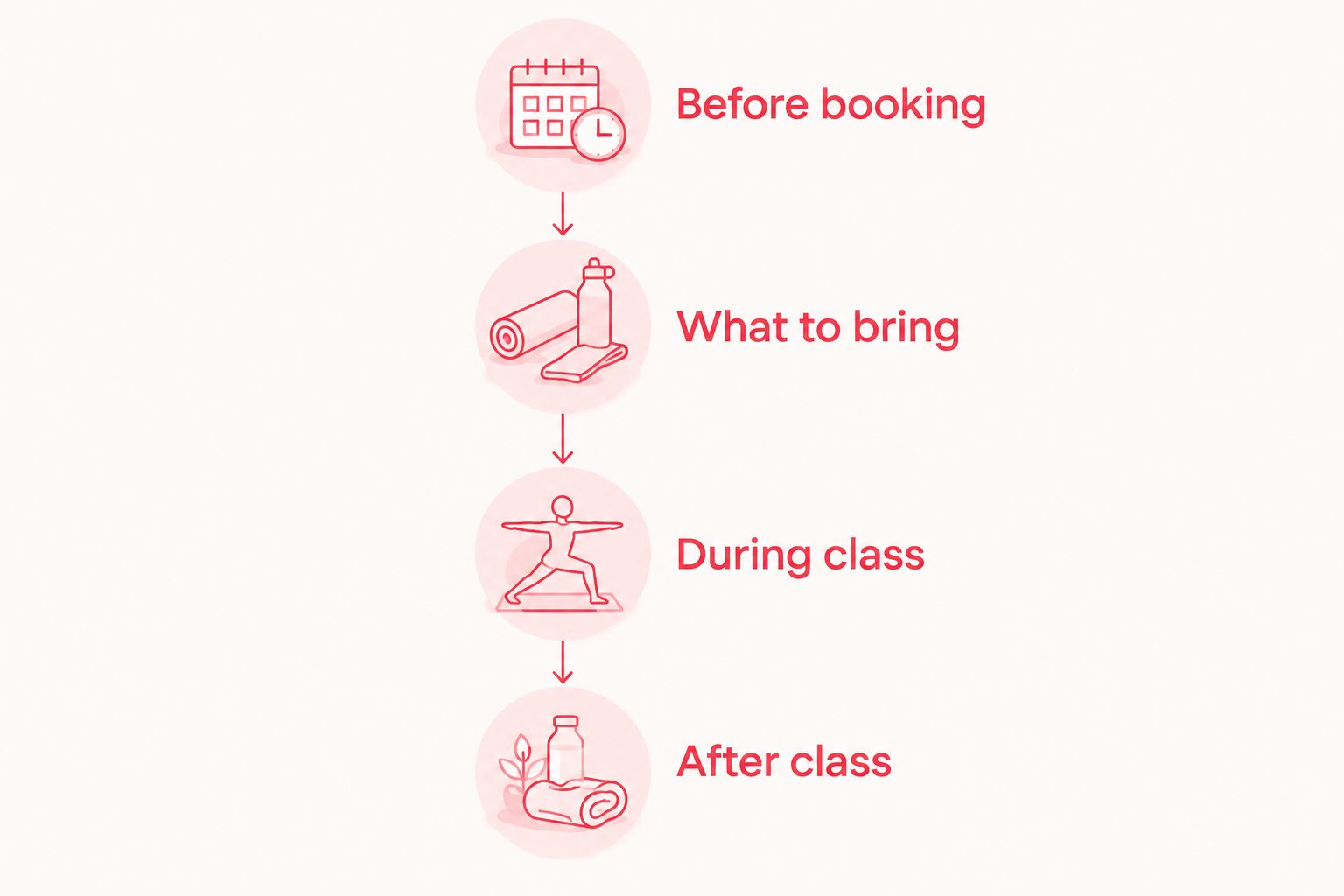
Preparation begins before you enter the room. For a first visit in 2026, check current studio instructions instead of relying on another studio's packing list or an older social post.
Before booking
Ask about the class format, heat, equipment and newcomer guidance. Confirm the session length and arrival instructions so you are not rushing into an unfamiliar environment.
If you have a health concern, ask a healthcare professional whether heated exercise is appropriate for you. An instructor can explain a class and its movement options, but that conversation does not replace medical advice.
What to bring
Plan for water, clothing suitable for exercise and a way to manage sweat. Ask the studio whether you need to bring a mat, a towel or any other equipment, and confirm what is provided.
Do not assume that equipment arrangements are identical across Hot Pilates, Barre and Reformer Pilates. A little preparation prevents an avoidable scramble at check-in.
During class
Tell the instructor you are a beginner before the session starts. Ask how to signal that you need help and how to leave the heated room safely if you feel unwell.
Choose a movement option you can control. Taking a break or reducing your effort is a practical response to what is happening—not a reason to compare yourself with the person beside you.
After class
Move to a comfortable environment, drink according to your needs and notice how you feel. Do not use the amount you sweated as the deciding factor in whether the workout was worthwhile.
Before booking again, check your energy, soreness and comfort with everyday movement. That review is more useful than deciding immediately after class that you must attend more often.
How do you know whether to repeat, pause or seek help?
Repeat when you feel recovered; pause when your body is still asking for recovery. Distinguish ordinary exercise discomfort from symptoms that require you to stop.
| What you notice | Next move |
|---|---|
| You understand the movements and feel recovered afterward | Consider repeating the same manageable schedule |
| Soreness disrupts normal movement or fatigue persists | Delay the next demanding session and reassess |
| Sharp pain or pain that changes how you move | Stop the activity and seek appropriate guidance |
| Dizziness, nausea or feeling faint during heat exposure | Stop exercising, alert the instructor and move to a cooler place |
| Confusion, collapse or loss of consciousness | Treat it as an emergency and get immediate medical help |
Do not interpret heat-related symptoms as proof that a workout is effective. You do not need to finish a sequence before asking for help.
If symptoms persist, worsen or concern you, seek medical care. Your next class booking is a separate decision and can wait.
Can beginners do hot Pilates every day?
Daily hot Pilates is not the starting approach recommended here. Begin with recovery days so you can assess both the exercise and the heated environment before increasing attendance.
A daily booking habit also leaves less flexibility when soreness, illness or another demanding workout changes your readiness. Build the habit of responding to your condition before building an attendance streak.
Should beginners combine hot Pilates with other classes?
Beginners can consider different class types, but should count them together when planning recovery. Switching class names does not automatically make the next session a recovery day.
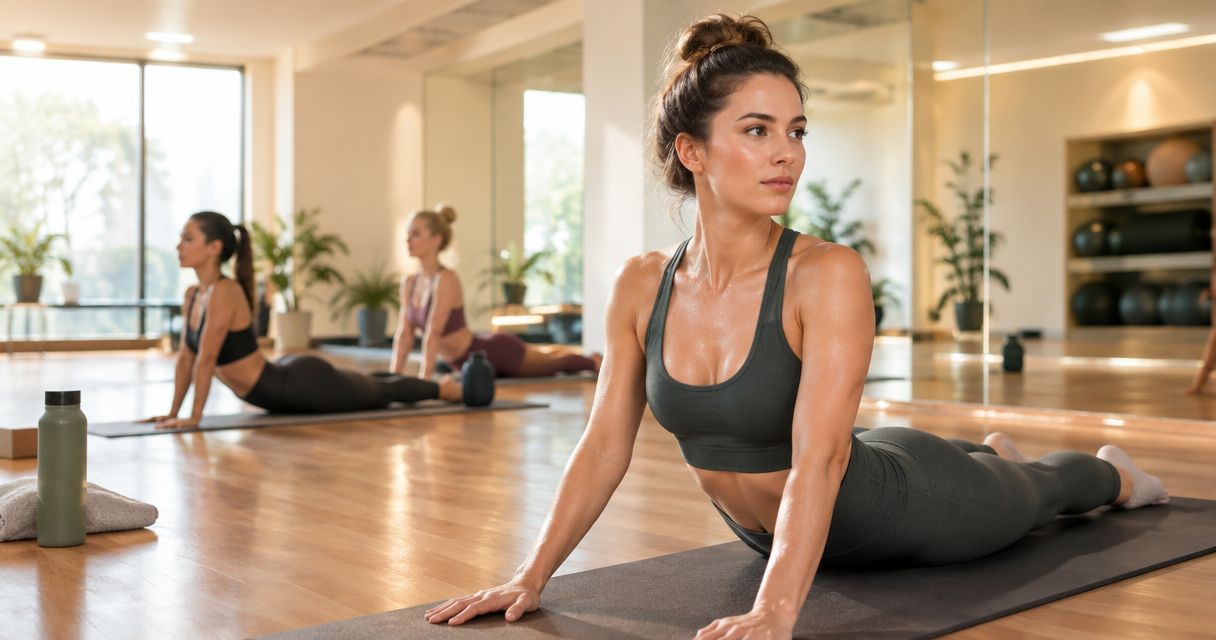
Vinyasa, Yin, 26&2, Hot Pilates, Barre and Reformer Pilates offer different class experiences. Ask what each session involves rather than assuming that yoga is always gentle or Pilates is always demanding. Choose according to the actual class and your interests.
How soon should beginners increase hot Pilates attendance?
Increase attendance after your current schedule feels manageable during class and afterward. There is no need to make a calendar deadline more important than controlled movement, recovery and your response to heat.
Before adding another booking, ask yourself whether you want more practice or feel pressure to keep up. More attendance is useful only when it fits the rest of your routine.
Choose a membership around the routine you can keep
For your 2026 membership decision, start with realistic attendance rather than an idealized week. Consider travel from American Fork or nearby Utah County cities, your preferred class times and whether you want to explore other formats.
Unified Hot Yoga is a fit for American Fork beginners seeking Hot Pilates alongside yoga, Barre and Reformer Pilates. Its all-skill-levels offering gives newcomers options; it does not remove the need to ask about the particular class you plan to attend.
Check the studio's current Prices page for intro offers and memberships when you are ready to join. Compare those options against the routine you have actually found manageable, not a promise to attend whenever life is perfectly organized.
FAQ
How often should beginners do hot Pilates?
Beginners should leave recovery days between hot Pilates classes and increase attendance only when their current routine feels manageable. Consider other workouts, soreness, energy and your response to heat before booking again.
Can I do hot Pilates if I have never tried Pilates?
You can ask about a beginner-appropriate hot Pilates class without previous Pilates experience. Tell the instructor you are new and confirm how the class supports movement adjustments and breaks.
Should I go back to hot Pilates if I am still sore?
Delay a demanding session if soreness interferes with normal movement or controlled exercise. Sharp, persistent or worsening pain needs appropriate assessment rather than another workout.
What should I bring to my first hot Pilates class?
Plan for water and exercise clothing, then confirm the studio's mat, towel and equipment requirements. Do not assume that supplies are included.
What should I do if I feel dizzy during hot Pilates?
Stop exercising, alert the instructor and move to a cooler place if you feel dizzy. Seek medical help for persistent or worsening symptoms; confusion or collapse requires emergency help.
Does sweating more mean I should do hot Pilates more often?
Sweating more is not a reason to increase hot Pilates attendance. Base your schedule on recovery, controlled movement and whether heated exercise feels appropriate for you.
Does Unified Hot Yoga welcome beginners?
Unified Hot Yoga offers classes for practitioners of all skill levels in American Fork. Ask about the specific Hot Pilates session before booking so you understand its format and newcomer guidance.
One last thing
For your 2026 beginner routine, reserve recovery time when you reserve class time. A calendar filled with workouts can hide the space you need between them. Protecting that space is part of building a consistent practice—not a break from it.