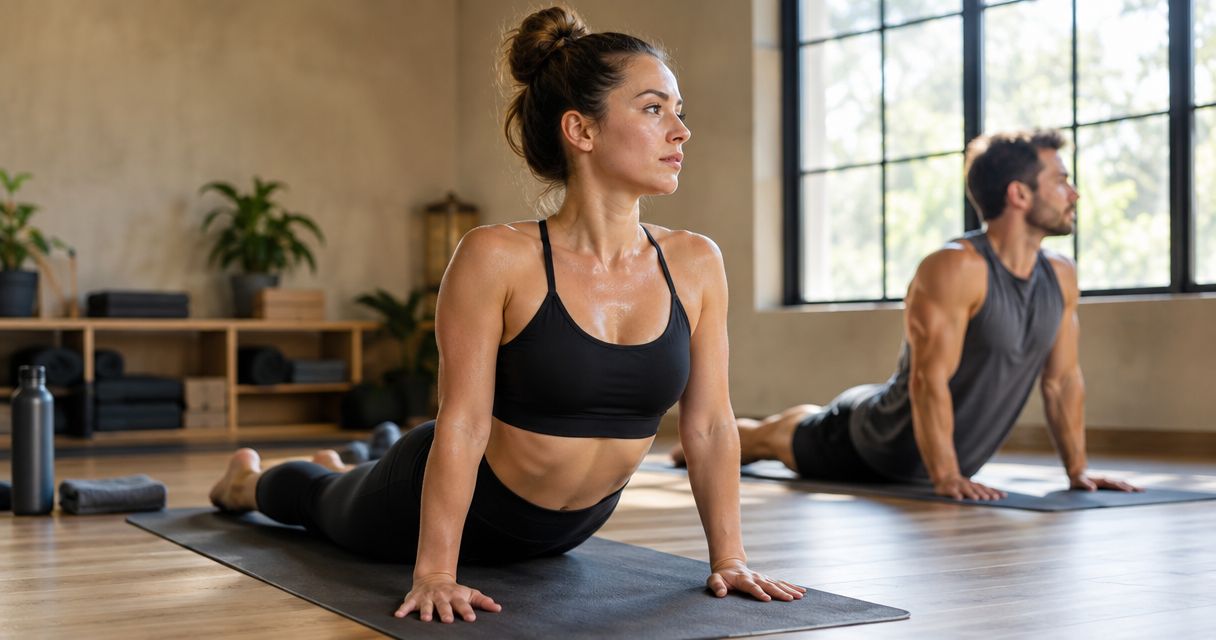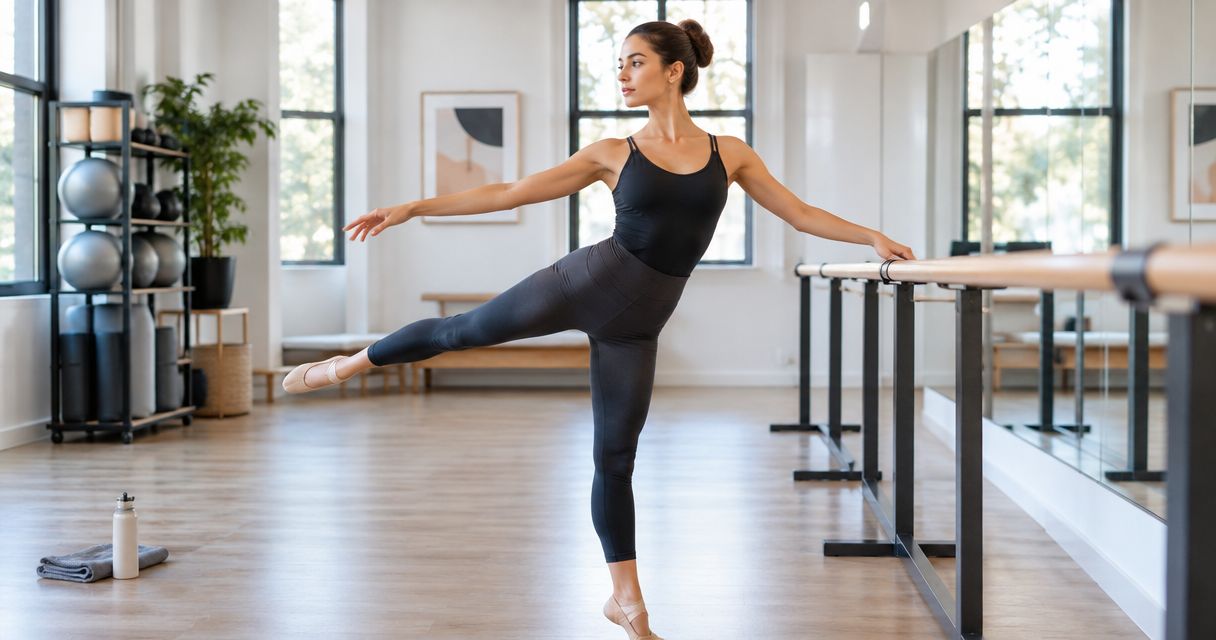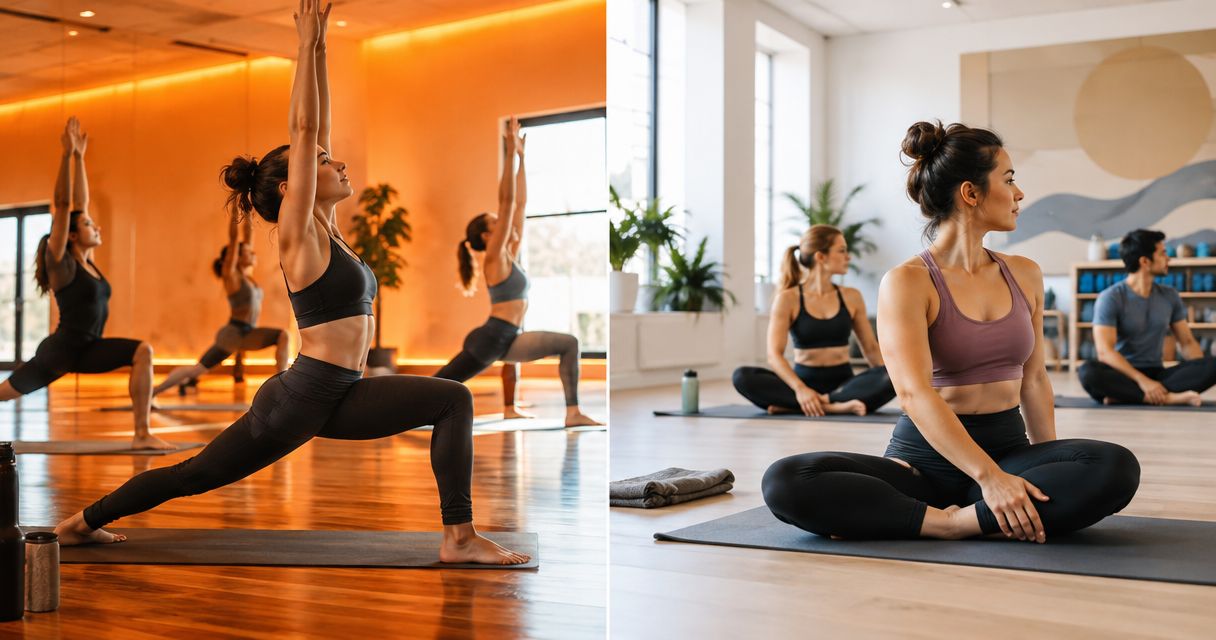
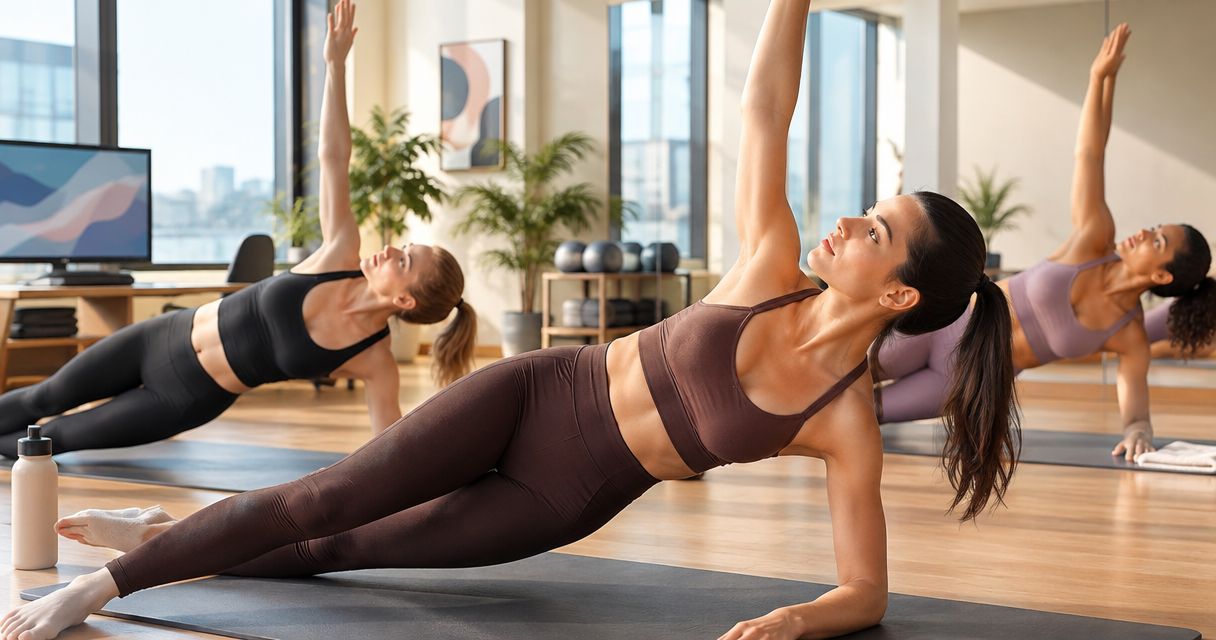
Desk workers’ Hot Pilates is Pilates-based exercise in a heated room with the aim of building a regular movement routine around seated work. This 2026 guide explains how to choose a class, prepare for the heat, and fit studio visits around your commute without treating exercise as a cure for desk-related pain.
- Hot Pilates for desk workers should complement movement breaks, not replace them.
- Unified Hot Yoga fits desk workers seeking Hot Pilates and other movement formats in American Fork.
- Choose between Hot Pilates, Reformer Pilates, Barre, and yoga by movement preference and comfort with heat.
- Start with manageable effort, ask about modifications, and stop if you feel dizzy or unwell.
Why Hot Pilates matters for desk workers
A desk job creates a scheduling problem as much as a movement problem: you need an activity that fits between work, travel, and home responsibilities. Hot Pilates offers a structured exercise appointment, but the heated setting adds another consideration. You need time to prepare, manage your effort, and change afterward—not just attend the class.
Unified Hot Yoga fits desk workers seeking Hot Pilates alongside yoga, Barre, and Reformer Pilates in American Fork. Unified Hot Yoga offers those formats for practitioners of all skill levels. That gives you several starting points rather than making heated Pilates your only option.
The practical benefit of a studio appointment is structure. The limitation is that attending class does not erase a day spent sitting or guarantee relief from neck, shoulder, or back symptoms. Keep movement breaks in your workday and seek individualized medical advice for persistent pain.
For your 2026 routine, use general activity guidance rather than sweat as the benchmark. U.S. Department of Health and Human Services guidance for adults recommends at least 150 minutes of moderate-intensity aerobic activity per week, or 75 minutes of vigorous activity, plus muscle-strengthening activity on 2 days per week. A heated room does not automatically make a class vigorous or establish that it meets either category.
Build a desk-friendly class routine
1. Identify what you want from class
Start without buying equipment or committing to a membership. Write down what you want your exercise appointment to provide: movement after work, practice with controlled exercise, or a break from screens. Then separate that preference from any medical concern.
If your main concern is recurring back pain, numbness, or a recent injury, a class description is not enough to determine suitability. Ask a qualified healthcare professional about your circumstances. An instructor can explain class movements and modifications, but that conversation is not a diagnosis.
Choose a practical goal you can assess after attending. Being able to follow instructions comfortably tells you more about first-class fit than comparing your pace with someone who has practiced for years.
- Write down your main reason for attending.
- Note movements or positions that currently feel uncomfortable.
- Identify whether you want heated exercise or prefer another format.
- Choose a time that leaves room for travel and changing.
- Separate fitness goals from symptoms that need clinical assessment.
2. Compare movement formats before choosing heat
Read class descriptions before choosing based on a name. Hot Pilates generally uses Pilates-based exercise in a heated setting; exact programming varies. Reformer Pilates uses a spring-resistance apparatus, while Barre draws on ballet-inspired movement and conditioning.
Yoga is a separate option, not a substitute you must choose before Pilates. Vinyasa links movement with breath; Yin emphasizes longer-held poses; 26&2 follows a defined sequence. Ask about the actual class pace and beginner expectations rather than assuming one label guarantees an easier experience.
For a 2026 first-class decision, give each format equal consideration. Your preferred movement style, comfort with heat, and ability to attend regularly matter more than choosing the format that sounds hardest. The right starting class is one you can participate in safely and understand.
- Compare Hot Pilates with Reformer Pilates and Barre.
- Consider Vinyasa, Yin, and 26&2 on their own terms.
- Ask which movements and equipment the class uses.
- Confirm whether the specific session is heated.
- Ask how newcomers learn modifications during class.
3. Confirm the beginner details with the studio
Make a short question list before booking. You can do this yourself by checking class information and asking the studio about anything unclear. Guided instruction then provides a setting for learning the movements rather than piecing together an unfamiliar routine alone.
Unified Hot Yoga offers Hot Pilates, Reformer Pilates, Barre, and infrared-heated yoga in American Fork. Its all-skill-levels offering does not mean every session will feel identical. Confirm the requirements for the class you intend to attend, including equipment, arrival expectations, and how to communicate that you are new.
For more local starting-point questions, read the guide to Hot Pilates classes for beginners in Utah County. Use the studio’s current class information, Know Before You Go information, and schedule to settle the details before your visit.
- Ask whether the session suits someone new to Pilates.
- Confirm what to bring and what equipment is provided.
- Check arrival and booking requirements.
- Ask how to request a modification or take a break.
- Explain relevant limitations without expecting the instructor to diagnose them.
4. Prepare for exercise rather than maximum sweating
Gather what you need before the workday begins. Bring drinking water, clothing suitable for exercise, a towel, and a change of clothes if you are returning to work or another appointment. Confirm whether the class requires your own mat or other equipment instead of assuming the studio supplies it.
Hydrate normally through the day rather than trying to compensate immediately before class. Avoid arriving already unwell or dehydrated. If you have a condition, take medication, or are pregnant and have questions about heated exercise, get individualized advice before participating.
Heat tolerance is not a competition. Dizziness, nausea, headache, or unusual weakness are reasons to stop exercising and cool down, not signs that you should push harder. Seek urgent help for severe symptoms such as confusion or collapse.
- Pack water and a towel before leaving home.
- Choose exercise clothing that does not restrict movement.
- Confirm mat, footwear, and equipment requirements.
- Leave time to change before and after class.
- Tell the instructor you are new to heated exercise.
5. Practice control and use modifications
Begin by listening to the movement instructions rather than matching the fastest person nearby. Controlled exercise requires attention to position and breathing. If a movement feels confusing, ask for clarification instead of adding speed or range.
You can reduce a movement’s range, pause, or use an instructor-recommended alternative. Those choices make your first visit a learning session rather than a test. Do not assume that a deeper position is better simply because you feel warmer.
For your first classes in 2026, judge success by participation you can manage: understanding the instructions, noticing your response to heat, and communicating when you need help. Ordinary effort and sharp pain are not the same thing. Stop a movement that causes sharp pain and discuss the problem before continuing.
- Follow the instructor’s setup before increasing effort.
- Use a smaller range when you cannot control the movement.
- Keep breathing rather than deliberately holding your breath.
- Ask for an alternative when a position does not suit you.
- Pause when heat or effort becomes difficult to manage.
6. Build the routine around your actual workweek
Start with a calendar and an honest look at your commute. If you work in Lehi, Pleasant Grove, Highland, or elsewhere in Utah County, evaluate the trip to American Fork from wherever you will actually leave—not only from home. Include changing time and your next obligation.
After attending, record whether you understood the class, tolerated the setting, and wanted to return. Add commitments only after the routine fits. Keep short movement breaks during your desk day even when you have an evening class planned.
When you are ready to join Unified Hot Yoga, check the studio’s Prices page for current intro offers and memberships. Match the commitment to realistic attendance rather than an idealized workweek. Revisit your 2026 plan when meetings, caregiving, or commuting patterns change.
- Put travel and changing time on the calendar.
- Choose a class time you can attend without rushing.
- Record how the format and heat felt afterward.
- Keep movement breaks between desk-work periods.
- Review membership terms before committing.
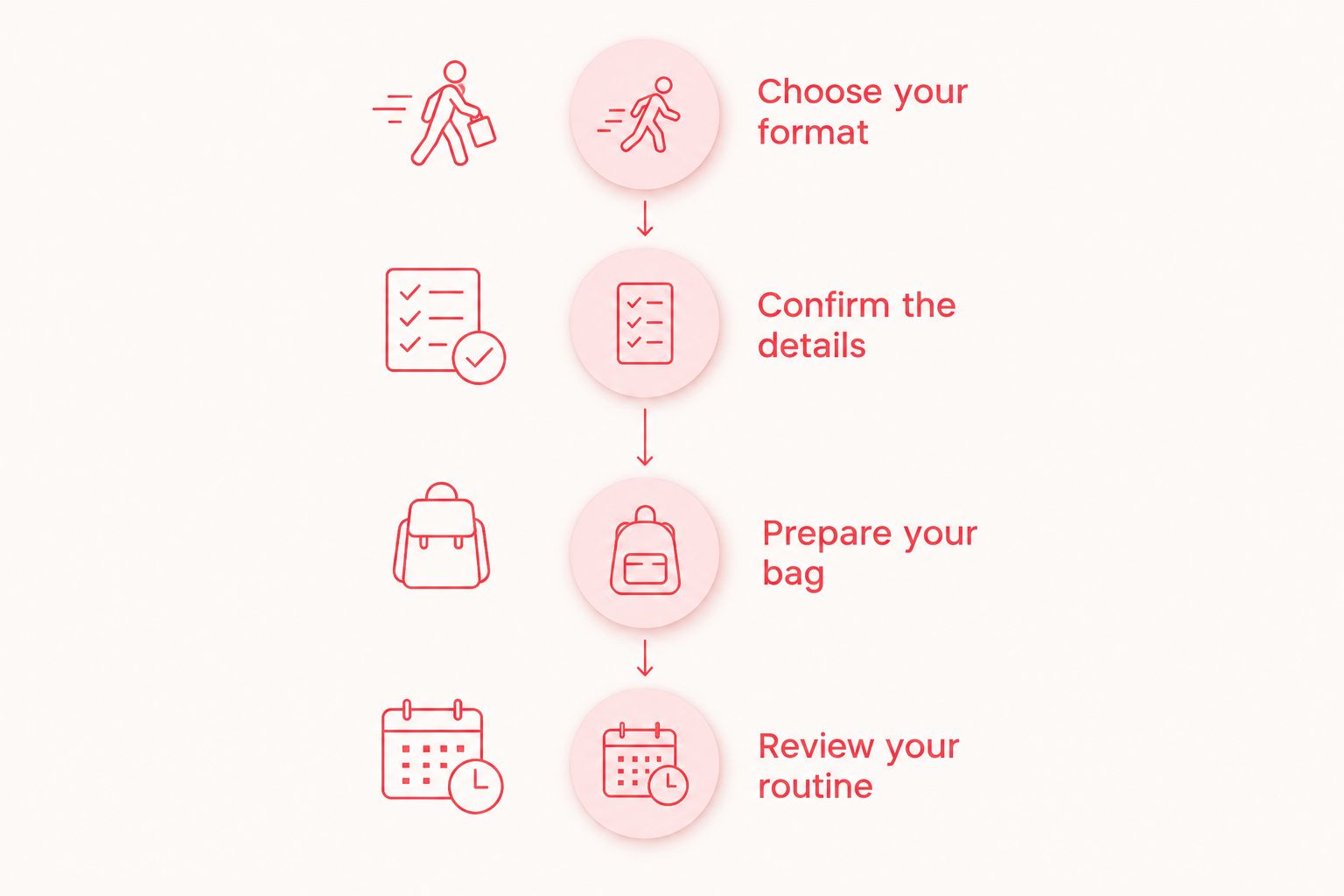
The decision sequence is simple: Choose your format, Confirm the details, Prepare your bag, and Review your routine. Make the class choice first; make the longer-term commitment after you understand the experience.
Compare your options as a desk worker
No class name establishes that a format is best for every desk worker. Use this comparison to choose what to investigate, then confirm the specific session details. The labels describe movement preferences, not promised health outcomes.
| Option | Best for | What it involves | Key limitation |
|---|---|---|---|
| Hot Pilates | People who want Pilates-based exercise in heat | Pilates-based movements in a heated setting; programming varies | Heat adds a tolerance consideration beyond the movements |
| Reformer Pilates | People interested in apparatus-based Pilates | Movement using a spring-resistance reformer | Equipment requires instruction; confirm newcomer expectations |
| Barre | People interested in ballet-inspired conditioning | Barre-supported and related conditioning movements | It is a different format from Pilates, so compare class descriptions |
| Vinyasa | People who enjoy flowing yoga | Poses connected through movement and breath | Pace and transitions vary by class |
| Yin | People who prefer longer-held yoga poses | Sustained poses rather than continuous flowing movement | Longer holds are not automatically comfortable for every body |
| 26&2 | People who prefer a defined yoga sequence | A set sequence of yoga postures and breathing exercises | Familiarity with the sequence does not establish comfort with heat |
| Walking breaks | People who need movement during the workday | Walking between seated work periods | Does not provide studio instruction or replace every activity goal |
Unified Hot Yoga offers the six studio formats above, giving you options within one American Fork studio. The advantage is choice; the limitation is that you still need to confirm session-specific suitability. An all-skill-levels description is an invitation to ask questions, not a reason to ignore your limits.
Common mistakes desk workers make
Treating one class as compensation for all-day sitting
Keep movement in the workday even when you attend Hot Pilates. A scheduled class and walking breaks solve different practical problems: one provides a dedicated exercise appointment, while the other interrupts seated time.
Choosing by sweat instead of class fit
Sweat reflects your response to exercise and heat; it does not establish movement quality or medical benefit. Compare the instructions, pace, and setting rather than rewarding the session that leaves you most uncomfortable.
Squeezing class between back-to-back commitments
A booking that leaves no time to travel or change is a poor calendar fit. Protect the whole visit, especially if you are returning to the office or joining a meeting afterward.
Keeping discomfort quiet to avoid standing out
Tell the instructor when a movement is unfamiliar or uncomfortable. A welcoming class does not require everyone to use the same range or pace. Asking a practical question is part of learning, not an interruption to belonging.
FAQ
Is Hot Pilates good for someone who sits at a desk all day?
Hot Pilates can be part of a desk worker’s exercise routine, but it does not replace movement breaks or medical care. Choose a class that suits your movement experience and comfort with heat.
Can I try Hot Pilates if I have never done Pilates?
Ask the studio whether the specific Hot Pilates session suits a first-time participant. Tell the instructor you are new and confirm how to use modifications or take breaks.
What should I bring to my first Hot Pilates class?
Bring drinking water, a towel, exercise clothing, and anything the studio specifies for that class. Confirm mat and equipment requirements before you arrive rather than assuming they are supplied.
Is Reformer Pilates better than Hot Pilates for desk workers?
Neither format is automatically better for desk workers. Reformer Pilates uses an apparatus, while Hot Pilates adds a heated setting; choose according to your movement preference and the session’s requirements.
Will Hot Pilates fix my posture or back pain?
Hot Pilates does not guarantee a posture correction or relief from back pain. Persistent pain, numbness, or injury symptoms require individualized assessment rather than a class-based promise.
What should I do if I feel dizzy during a heated class?
Stop exercising, alert the instructor, and move to a cooler setting. Seek urgent help for severe symptoms such as confusion or collapse rather than trying to finish the class.
Where can I check memberships before joining?
Check the studio’s current Prices page for intro offers and memberships. Review the terms and match the commitment to the classes you can realistically attend.
One last thing
Treat your first class as information, not an audition. Before returning, identify the movement you understood, the instruction you need clarified, and whether the setting suited you. Those observations give you a better next step than deciding whether you kept up with everyone else.
For a sustainable 2026 routine, choose the format that welcomes your questions and fits your calendar. Community starts with participating at your own level—not proving that you can tolerate the most heat.