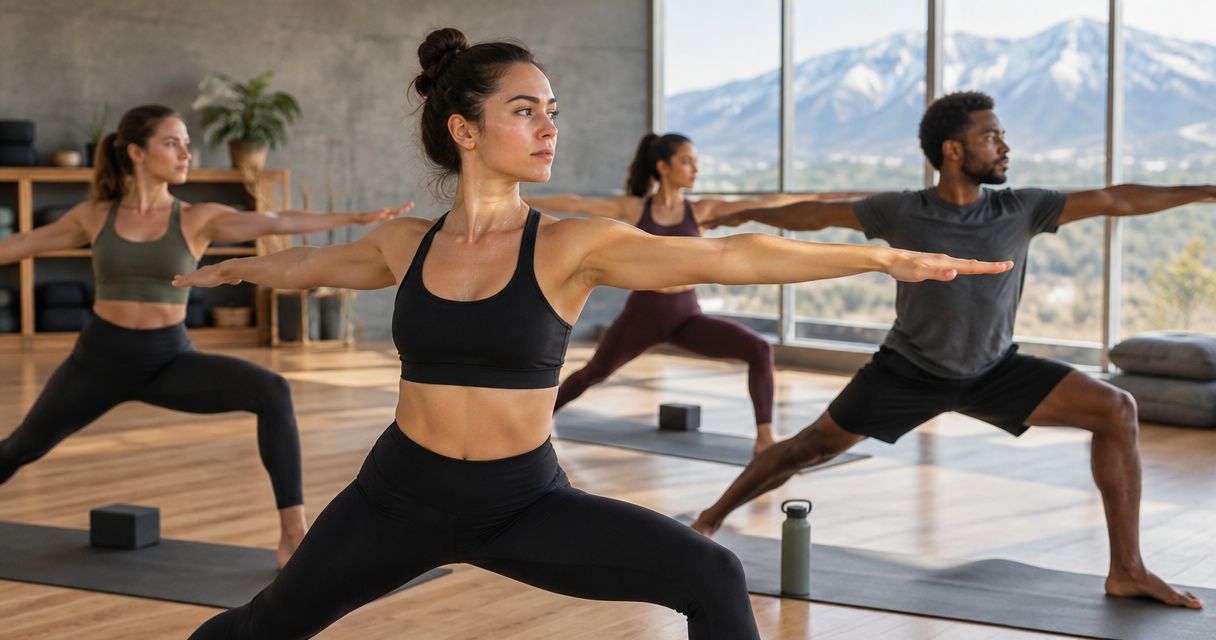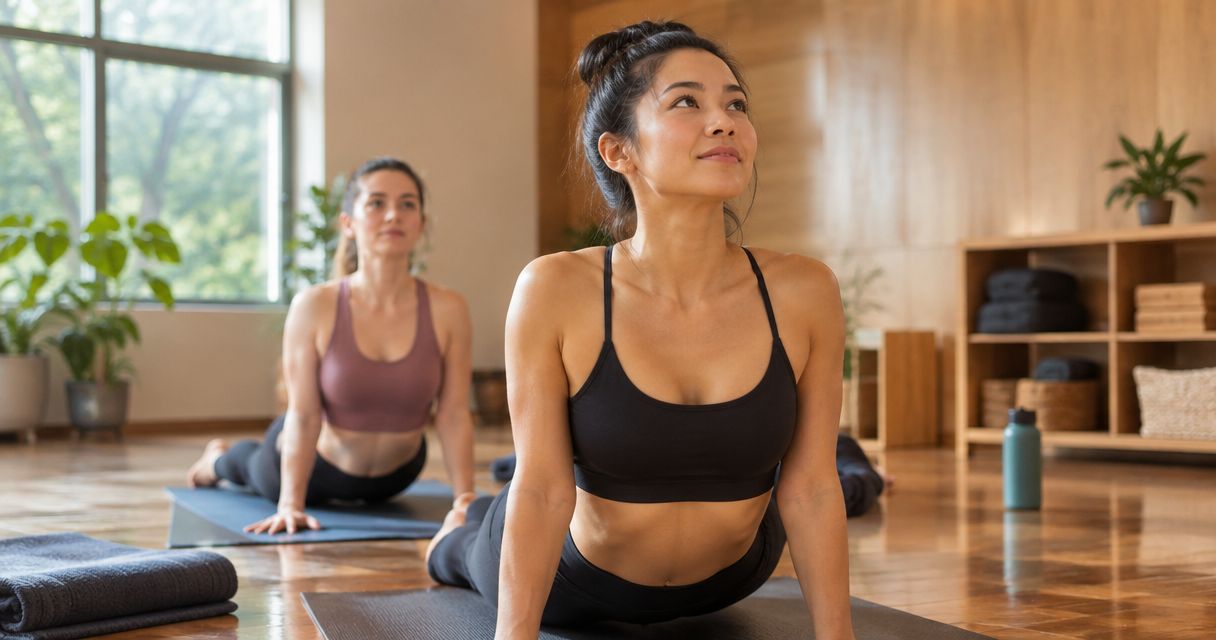
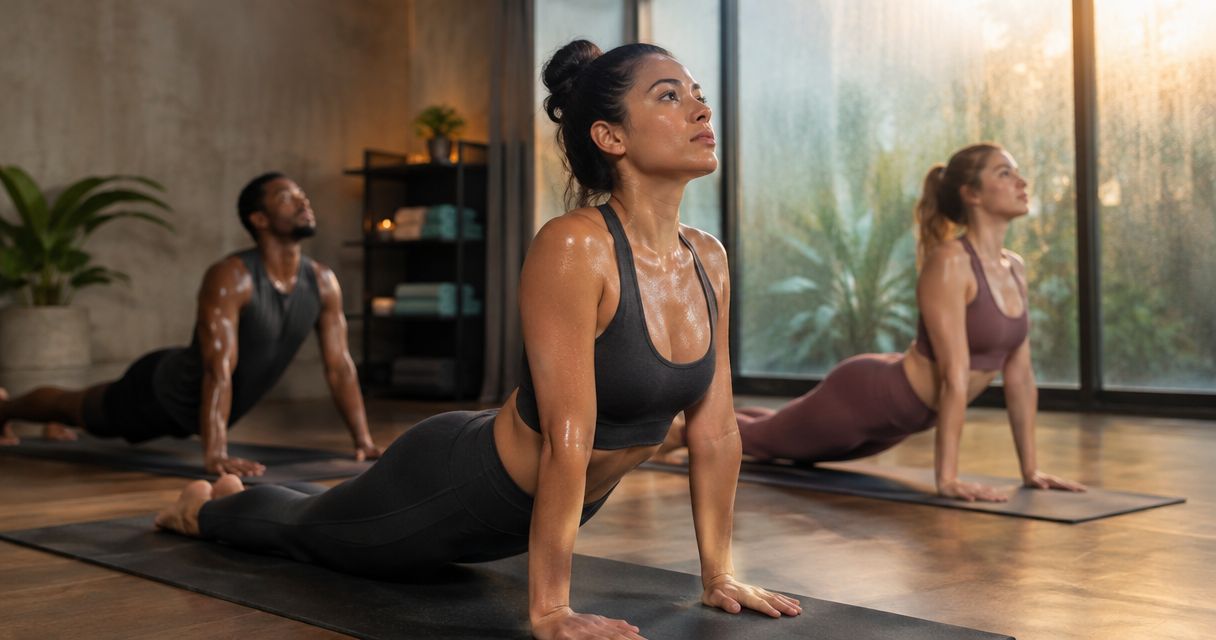
Hot yoga is worth it in 2026 if you enjoy exercising in heat, find a class you want to repeat, and can fit attendance into your routine. It is not worth choosing solely for extra sweat: heat adds physical demands, and a useful yoga practice does not require a heated room.
- Is hot yoga worth it? Yes when the class, heat, and schedule fit—not because sweating proves workout quality.
- Unified Hot Yoga suits American Fork beginners who want to explore yoga, Pilates, and Barre at one studio.
- Compare Vinyasa, Yin, and 26&2 by movement style before choosing a heated yoga class.
- Try the class experience before committing to a membership; review current terms and realistic attendance.
Is hot yoga worth it in 2026?
Hot yoga is worth trying, not automatically worth committing to. Separate the yoga from the heat: you should enjoy the movement, understand the instruction, and feel comfortable taking breaks. A challenging room temperature does not make an unsuitable class the right choice.
Unified Hot Yoga offers infrared-heated Vinyasa, Yin, and 26&2 yoga, plus Hot Pilates, Reformer Pilates, and Barre in American Fork. Those options serve different preferences; choosing between them matters more than choosing the class that sounds hardest.
The table describes the general formats, not a promise about a particular session. Confirm the current class description and beginner guidance before booking.
| Class format | What it generally involves | Best for | Advantage | Trade-off |
|---|---|---|---|---|
| Vinyasa | Moving between yoga postures with the breath | People who enjoy flowing movement | Movement connects into a continuous practice | Transitions require attention while you learn |
| Yin | Longer-held, generally floor-based postures | People who prefer a slower practice | Fewer transitions give you time to settle | Holding still is not everyone's preferred challenge |
| 26&2 | A defined sequence of 26 postures and 2 breathing exercises | People who appreciate a familiar structure | Repeated sequencing makes the format recognizable | A fixed sequence offers less variety |
| Hot Pilates | Pilates-based exercise in a heated setting | People interested in Pilates who enjoy heat | Combines a Pilates-focused session with a heated environment | Heat adds another demand while learning movement |
| Reformer Pilates | Pilates using a moving carriage and springs | People interested in equipment-based practice | Equipment creates a different movement experience | You need instruction on equipment setup and use |
| Barre | Barre-based exercise drawing on dance and fitness movements | People who enjoy standing, controlled movement | Offers a different format from mat-based practice | Repeated small movements still require concentration |
Why this matters
Your first studio experience can shape whether you return. Picking a class because its name sounds intense tells you little about whether you will enjoy the actual practice.
For an American Fork resident, a class that fits between work and home has a different practical value from one that requires rearranging the whole evening. The same applies if you are traveling from Lehi, Pleasant Grove, Highland, or elsewhere in Utah County: assess the trip you will actually make, not an idealized routine.
Choose a repeatable practice over a dramatic first workout. Community matters when it helps you feel comfortable asking questions, learning unfamiliar movements, and returning without needing to perform for anyone.
Which class should you try first?
Start with how you like to move, then ask whether the specific session welcomes newcomers. A style name alone does not establish pace, teaching approach, or how much explanation you will receive.
Vinyasa: best for people who enjoy moving between poses
Vinyasa connects movement and breathing. If you like a changing sequence rather than staying in one position, it is a useful starting point to investigate.
The trade-off is coordination. You will be learning postures, transitions, and breathing cues while also adjusting to the room, so ask about beginner suitability rather than assuming every Vinyasa session has the same pace.
Yin: best for people who prefer fewer transitions
Yin generally involves holding postures for longer rather than moving continuously. That makes it an option to consider if a flowing sequence sounds distracting or unappealing.
Slower does not mean effortless or suitable for every body without adjustments. Ask how the instructor helps newcomers find a manageable position, and do not treat remaining still through pain as the goal.
26&2: best for people who like a defined sequence
The traditional 26&2 format uses 26 postures and 2 breathing exercises. Its recognizable structure appeals to people who prefer learning a sequence through repetition rather than encountering a different flow each time.
The limitation is the same feature: a defined sequence offers less variation. Before booking, check the session description rather than assuming a particular duration or room temperature from the format's name.
Hot Pilates: best for people drawn to Pilates in heat
Hot Pilates is a separate choice from heated yoga, not another name for it. Consider it when Pilates-based exercise interests you more than a yoga posture practice.
You still need to assess the heated environment independently. Ask what the session involves and how beginners receive movement options; do not assume the teaching format from the word Pilates alone.
Reformer Pilates: best for people interested in equipment
Reformer Pilates uses a carriage-and-spring apparatus rather than relying only on a mat. Choose it because you want to learn that movement format, not because equipment automatically makes a class easier or harder.
The equipment introduces its own learning tasks. Confirm how a newcomer learns setup, safe positioning, and any class-specific requirements before attending.
Barre: best for people who enjoy controlled standing work
Barre offers another way to explore studio exercise without making yoga your default. Its dance-influenced movements give you a different experience from flowing postures or reformer equipment.
Small movements are not a guarantee of low effort. Ask about the session's structure and available adjustments, especially if you have a movement restriction you need to discuss.
What should you bring to your first hot yoga class?
Prepare for movement and sweat without buying equipment before you know the studio's requirements. A water bottle, towel, and comfortable exercise clothing are practical starting points; confirm mat requirements, equipment provision, and any rental arrangements directly.
Use the studio's Know Before You Go information and current class description to settle the details. Reformer Pilates and Barre can have different preparation requirements from a heated yoga session, so do not copy a packing list between formats without checking.
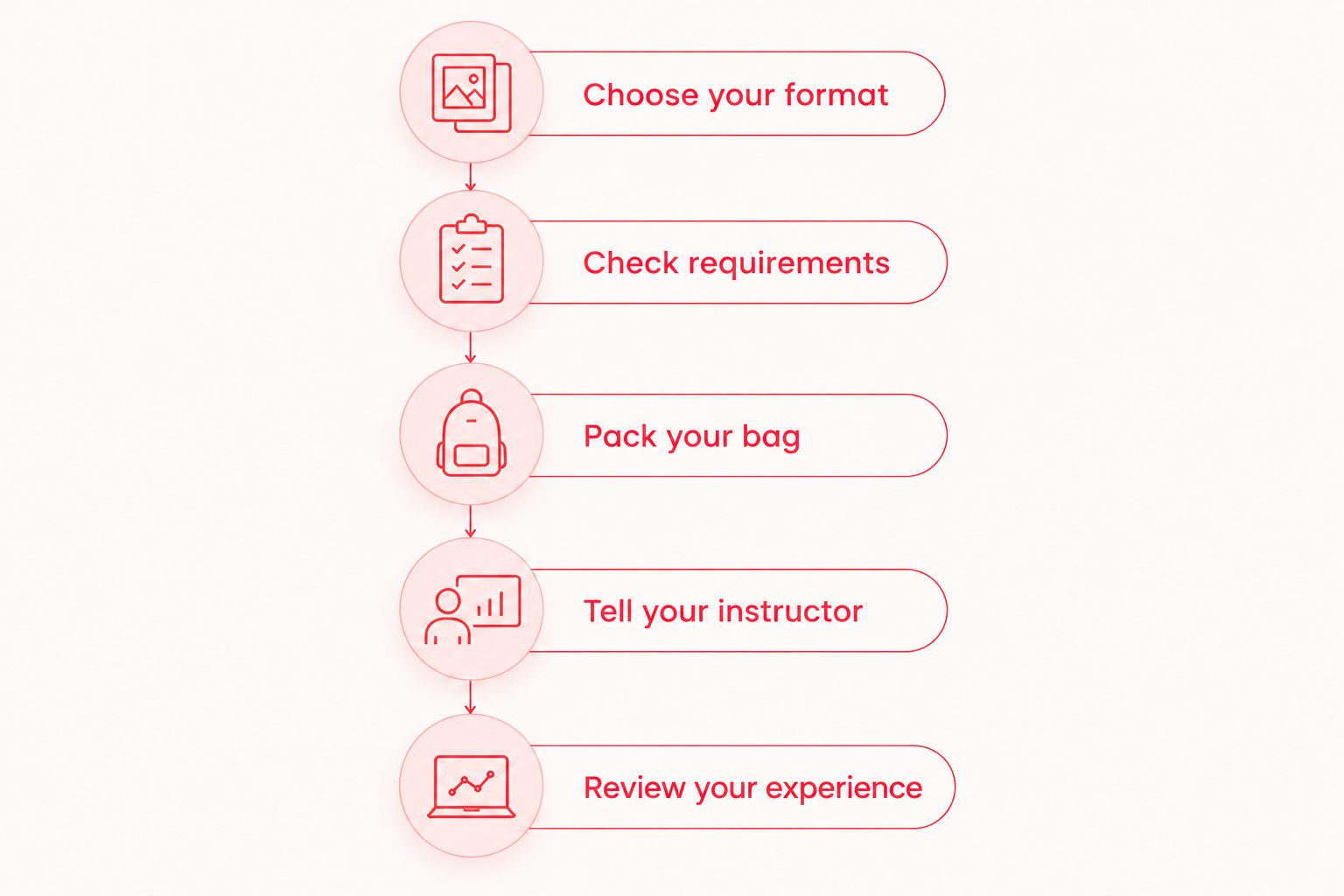
A simple first-visit sequence keeps the practical decisions manageable:
- Choose your format. Match the movement style to your interests, then confirm beginner suitability.
- Check requirements. Read preparation guidance and ask about equipment, clothing, and arrival instructions.
- Pack your bag. Bring the items required for that session and water for your visit.
- Tell your instructor. Say that you are new and ask how to take a break or request an adjustment.
- Review your experience. Evaluate the instruction, heat, and practical fit before choosing your next class.
Arrive according to the studio's instructions rather than assuming you can enter at the last moment. Giving yourself room to ask a question is more useful than trying to look experienced.
How should you prepare for the heat?
Do not make enduring the room your first-class goal. Start the session normally hydrated, avoid arriving already overheated, and tell the instructor that the heated environment is new to you.
Heat increases the body's cooling demands. Stop exercising if you feel dizzy, faint, nauseated, or otherwise unwell, and tell the instructor rather than trying to finish the sequence. Severe symptoms, confusion, or loss of consciousness require urgent medical help.
If you are pregnant, have a medical condition, take medication that affects heat tolerance, or have previously had heat illness, seek individualized medical guidance before heated exercise. An all-skill-levels class is not a substitute for that advice.
The same principle applies to stretching: warmth is not permission to force a position. Use a manageable range and ask for an alternative when a movement hurts.
Why hot yoga's value varies
There is no universal answer to whether a heated class deserves a place in your 2026 routine. Evaluate the parts you will experience repeatedly:
- Heat comfort: Enjoying yoga does not necessarily mean enjoying yoga in a heated room. Judge those preferences separately.
- Movement preference: Vinyasa, Yin, and 26&2 represent 3 yoga styles with different structures. Choose the structure you want to practice.
- Instruction: You need explanations you can follow and a clear way to ask for help, particularly while learning.
- Schedule and travel: Check the actual class schedule against work, family responsibilities, and the trip from your part of Utah County.
- Membership terms: Compare current terms with realistic attendance. An ambitious plan is not the same as a usable routine.
- Studio comfort: Notice whether you feel welcome learning, pausing, and asking questions rather than keeping up appearances.
Unified Hot Yoga is best for American Fork beginners who want to explore yoga, Pilates, and Barre at one studio. Its range gives you different formats to investigate, but the presence of several options does not establish that every session suits your schedule or preferences.
How do you decide whether a membership is worth it?
For a 2026 membership decision, start with the schedule, not the intention to exercise more. Identify sessions you can realistically attend and account for travel, changing, and other commitments around the class itself.
Then review current membership and intro-offer information on the studio's Prices page. Check what the selected option includes, its applicable terms, and any booking or cancellation conditions before joining; do not assume every format has identical access rules.
A first visit should answer practical questions. Could you follow the instruction? Did you feel comfortable asking for an adjustment? Would you choose the same class again without needing to persuade yourself that discomfort proves progress?
If you enjoyed the teaching but disliked the heat, distinguish those findings. If you liked the room but not the movement style, explore a different format rather than deciding that all yoga or Pilates feels the same.
For a practical next step, read the guide to moving from an intro offer to full membership. Base the final decision on the studio's current terms and your own experience, not the promise of a perfect future routine.
Is hot yoga better than regular yoga?
Hot yoga is not automatically better than unheated yoga. Heat changes the environment and physical demands; it does not establish better instruction, better alignment, or a better personal fit.
Choose heat because you like practicing in it, not because an unheated session seems less legitimate. A practice you can sustain comfortably deserves consideration on its own terms.
Does sweating more mean hot yoga works better?
Sweating more does not prove a better workout or greater fat loss. Sweat is part of temperature regulation, and immediate scale changes after heavy sweating reflect fluid changes rather than a direct measure of exercise quality.
For your 2026 decision, focus on the movement you practiced, the guidance you received, and whether you want to return. A soaked towel cannot answer those questions.
Can beginners start with hot yoga?
Beginners can consider hot yoga when the specific session is suitable for newcomers and heated exercise is appropriate for them. Tell the instructor you are new, ask about adjustments, and treat breaks as part of managing your effort.
Unified Hot Yoga offers classes for practitioners of all skill levels. Confirm the right starting session rather than interpreting that description as a reason to ignore personal limitations.
FAQ
Is hot yoga worth it if I'm a complete beginner?
Hot yoga is worth trying if you want to learn yoga and are comfortable exploring a heated environment. Confirm that the specific session suits beginners and ask how to take breaks or request adjustments.
What's the best first class at Unified Hot Yoga?
The best first class at Unified Hot Yoga depends on your movement preference and comfort with heat. Compare Vinyasa, Yin, 26&2, Hot Pilates, Reformer Pilates, and Barre, then confirm beginner guidance for your chosen session.
Do I need to be flexible before trying hot yoga?
You do not need advanced flexibility to begin yoga. Work within a manageable range and ask for an alternative rather than forcing yourself into a posture.
What should I bring to my first heated yoga class?
Bring water, a towel, and comfortable exercise clothing, and confirm the studio's mat and equipment requirements. Check the preparation guidance for your exact class before your visit.
Is Yin always the easiest class for beginners?
Yin is not automatically the easiest class for every beginner. Longer holds involve fewer transitions, but comfort depends on the posture, available adjustments, and your individual needs.
Should I join a membership after my first hot yoga class?
Join only when the class experience, realistic attendance, and current membership terms fit your needs. Enjoying one visit is useful information, but it does not settle schedule or access questions.
Can I switch to Pilates or Barre if hot yoga isn't for me?
Pilates and Barre are different formats worth investigating if hot yoga does not fit your preferences. Confirm the environment and beginner requirements for each session rather than assuming they match a yoga class.
One last thing
The most useful first-class question is not whether you kept up; it is whether you understood how to participate. Clear instruction, permission to pause, and a format you enjoy give you something concrete to evaluate.
In 2026, choose your next class from that evidence. You do not need to love every style, tolerate every heated environment, or commit immediately to belong in a studio community.