Best for a slower-paced practice: Unified Hot Yoga in American Fork offers Yin yoga for all skill levels. For your 2026 search for yin yoga classes in Utah County, start with Yin if you want sustained postures rather than continuous movement; compare Vinyasa, 26&2, Hot Pilates, Barre, and Reformer Pilates if you want a different class experience.
- For yin yoga classes Utah County residents can consider, Unified Hot Yoga offers Yin in American Fork for all skill levels.
- Choose Yin for sustained postures, Vinyasa for flowing movement, or 26&2 for a set yoga sequence.
- Hot Pilates, Barre, and Reformer Pilates offer exercise-focused alternatives rather than substitutes for Yin.
- Before booking, confirm the class format, heat, equipment requirements, and instructions for newcomers.
Why your class choice matters
A quiet class and an easy class are not the same thing. Yin generally involves sustained, mostly floor-based postures, so you spend more time settling into a position than moving between positions. That experience differs from following a flowing sequence or working against reformer springs.
For a first visit in 2026, choose the experience you actually want—not the class with the most familiar name. This guide ranks class formats around a Yin-focused search, with distinct recommendations for people who prefer movement, repetition, or exercise-focused instruction.
If you live in American Fork, Lehi, Pleasant Grove, Highland, or elsewhere in Utah County, include the journey in your decision. A class needs to fit both your interests and your day.
What makes the best Yin yoga class for you?
Use these criteria before comparing class names:
- Practice match: Choose sustained postures if you want Yin. Choose a movement-focused format if stillness is not your goal.
- Clear beginner guidance: Ask how the instructor explains positions, alternatives, and coming out of a posture.
- Heat suitability: Confirm the conditions for the specific class. A slower pace does not remove the need to consider heat.
- Practical preparation: Know what to bring, what equipment is supplied, and how check-in works before leaving home.
- Repeatable attendance: Choose a class time and journey you can realistically fit into your routine.
- Room to adjust: Look for instruction that lets you reduce a position or stop rather than treating depth as the goal.
The best first Yin class is one where you understand the format and feel comfortable asking for an alternative. Flexibility is not an entry requirement, and a deeper-looking posture is not a better target.
Utah County class choices at a glance
These are class-format recommendations, not a ranking of different studios. Unified Hot Yoga offers all six formats in American Fork; the descriptions below explain their general differences rather than promise a particular instructor's sequence.
| Rank and class | Best for | Defining feature | Main limitation |
|---|---|---|---|
| 1. Yin | Sustained postures and a slower pace | More time in individual positions | Stillness can feel demanding |
| 2. Vinyasa | Flowing movement linked with breath | Transitions between yoga postures | Less suited to extended stillness |
| 3. 26&2 | A repeated yoga framework | A set sequence of postures and breathing exercises | Less sequence variety |
| 4. Hot Pilates | Exercise-focused mat work | Pilates-based movement in heat | Not a Yin-style practice |
| 5. Barre | Ballet-inspired exercise | Controlled movements using barre-based work | Not focused on sustained yoga postures |
| 6. Reformer Pilates | Equipment-based movement | A carriage and spring resistance | Requires learning unfamiliar equipment |
1. Yin: best for sustained postures
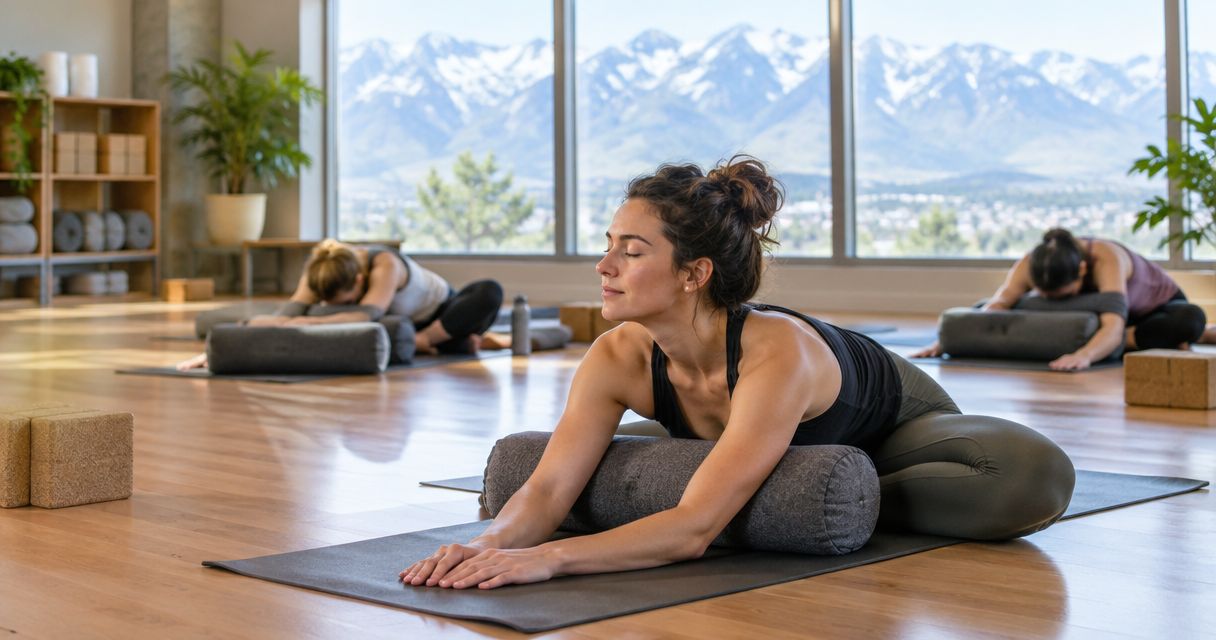
Yin is the closest match when your goal is a slower yoga practice built around time in individual positions. Rather than repeatedly moving through a flow, you settle into a posture and pay attention to your experience. Most Yin practices emphasize floor-based positions.
Unified Hot Yoga offers infrared-heated Yin in American Fork for practitioners of all skill levels. Before your first visit, ask how the particular class handles support, position changes, and alternatives.
Yin pros:
- A clear choice when you prefer fewer transitions.
- Time to become familiar with individual positions.
- A different experience from movement-led fitness classes.
Yin cons:
- Remaining still can be challenging even without fast movement.
- A slow pace does not make every posture appropriate for every body.
- Heat is a separate consideration from the style of yoga.
Best for: You want a sustained-posture practice rather than a flowing workout.
Verdict: Choose Yin for your first visit if stillness is what brought you to this search.
2. Vinyasa: best for flowing movement
Vinyasa connects yoga postures through movement coordinated with breathing. It offers a different rhythm from Yin: transitions are part of the practice, rather than simply the way to reach the next sustained position.
Choose Vinyasa because you want to move, not because you assume it is the necessary next step after Yin. Neither format is a prerequisite for the other.
Vinyasa pros:
- Suits people who enjoy movement between postures.
- Brings attention to breathing during transitions.
- Offers a contrasting practice alongside Yin.
Vinyasa cons:
- Following transitions adds a learning task for newcomers.
- It is not the closest match for extended stillness.
Best for: You prefer a moving yoga practice to longer periods in one position.
Verdict: Choose Vinyasa for flow; skip it as a substitute for a specifically Yin-focused experience.
3. 26&2: best for a repeated yoga framework
The 26&2 format takes its name from 26 postures and 2 breathing exercises. Its set framework distinguishes it from Yin and from flowing styles whose sequences can vary.
If knowing the structure helps you feel more comfortable, ask about 26&2. Familiarity with the sequence does not replace learning how to adjust individual postures.
26&2 pros:
- A recognizable framework across the practice.
- Repetition supports familiarity with the sequence.
- A distinct option for people who prefer structure over variety.
26&2 cons:
- Less suitable if sequence variety is your main preference.
- A repeated sequence still requires attention to personal limits.
Best for: You like knowing the framework of the class before you begin.
Verdict: Choose 26&2 for repetition and structure, not for a Yin-style session.
4. Hot Pilates: best for exercise-focused mat work
Hot Pilates combines Pilates-based exercise with a heated setting. It belongs on your comparison list if you want active exercise rather than sustained yoga postures.
The word “hot” describes an environmental consideration, not a reason to work harder. Ask about the class format and beginner alternatives before choosing it for your first visit.
Hot Pilates pros:
- A clear alternative for people seeking exercise-focused movement.
- A mat-based choice rather than reformer equipment.
- A different emphasis from the studio's yoga formats.
Hot Pilates cons:
- Does not provide the same practice as Yin.
- Heat adds a consideration alongside the exercises themselves.
Best for: You want Pilates-based mat exercise in a heated setting.
Verdict: Choose Hot Pilates for active exercise; choose Yin when sustained postures are your priority.
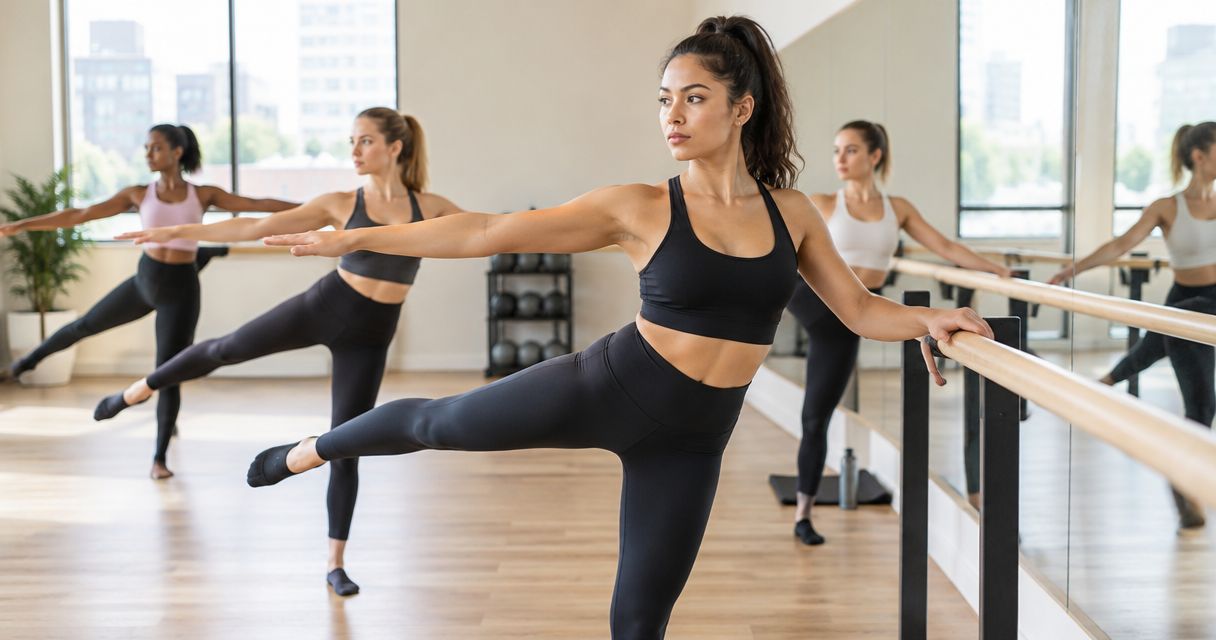
5. Barre: best for ballet-inspired exercise
Barre uses ballet-inspired positions and controlled exercise, often involving support from a barre. You do not need to make dance experience your starting assumption; ask how the specific class introduces its movements.
Barre is worth comparing when you want guided exercise but are not seeking either yoga sequencing or reformer equipment. It is a separate practice, not another name for Pilates or Yin.
Barre pros:
- A distinct movement vocabulary from yoga.
- Controlled exercise rather than sustained Yin postures.
- An option to explore alongside other class formats.
Barre cons:
- Unfamiliar positions require instruction.
- Not a direct match for a quiet, sustained-posture practice.
Best for: You are interested in ballet-inspired fitness rather than a yoga class.
Verdict: Choose Barre for its exercise format, not as an interchangeable alternative to Yin.
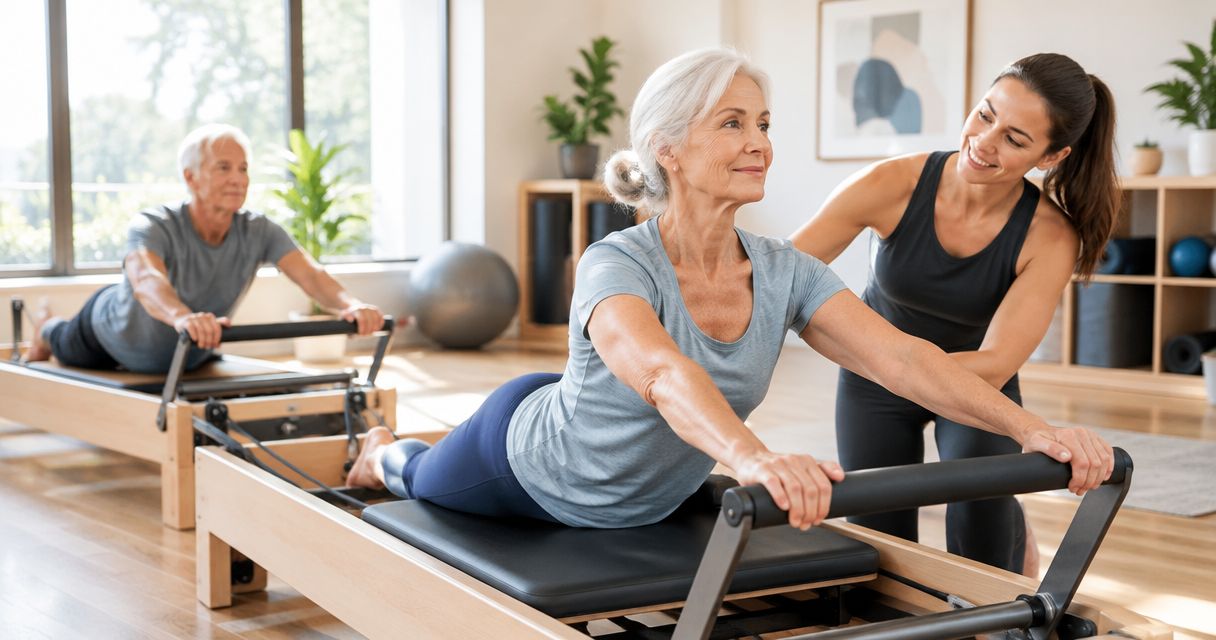
6. Reformer Pilates: best for equipment-based movement
Reformer Pilates uses a machine with a moving carriage and springs. That equipment changes the experience from mat-based classes and introduces setup instructions you need to understand before exercising.
For a first session, tell the instructor you are new to the reformer. Ask how to handle the equipment rather than copying another person's settings.
Reformer Pilates pros:
- Equipment-based movement distinct from mat practice.
- Spring resistance creates a different exercise experience.
- A clear choice for people specifically interested in the reformer.
Reformer Pilates cons:
- Equipment setup adds a learning task.
- It does not replace a sustained-posture yoga practice.
Best for: You want to learn Pilates using a reformer rather than a mat alone.
Verdict: Choose Reformer Pilates for equipment-based instruction; keep Yin as the choice for sustained yoga positions.
Prepare for your first Yin class in 2026
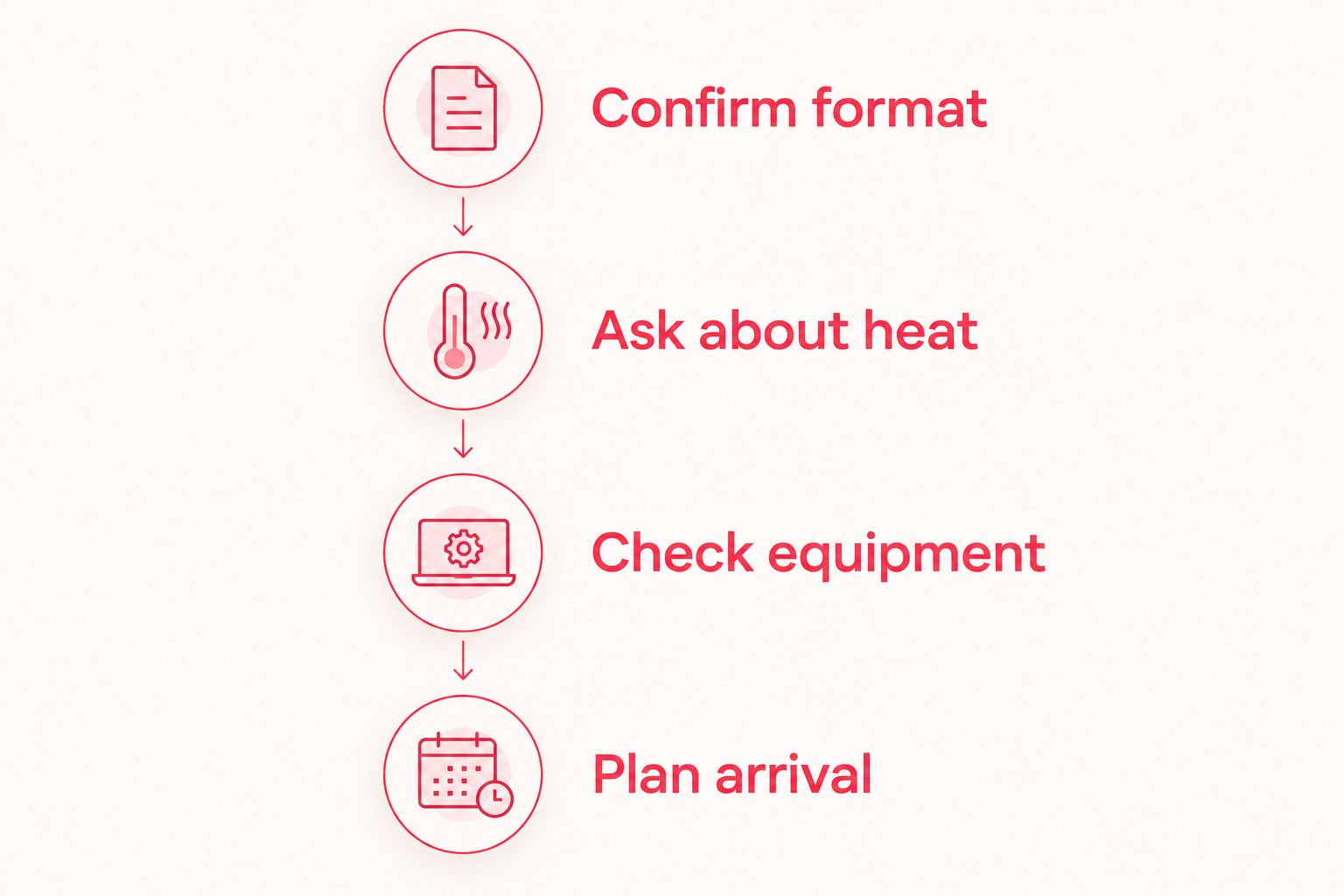
Start with the class schedule and confirm the session is Yin rather than another format. Then work through these practical steps before booking your first class.
Confirm format
Tell the studio you are new and looking for Yin specifically. Ask whether the session is appropriate for a first visit and how the instructor introduces alternatives.
Ask about heat
Confirm the conditions of the actual session, not just the studio's general description. If you have a medical condition, are pregnant, or have concerns about heated exercise, seek individualized guidance from your healthcare professional before participating.
Check equipment
Plan to bring comfortable movement clothing and drinking water. Ask whether you need your own mat or towel and whether supports are supplied; do not assume equipment or rentals are included.
Plan arrival
Confirm arrival and check-in instructions before leaving. Give yourself room to introduce yourself, mention relevant limitations, and understand where to set up without rushing.
During class, prioritize a manageable position over a deeper stretch. Ask for help if you do not understand an instruction, and come out of a position that causes pain. You do not need to match another person's range of motion.
How these recommendations are ranked
The 2026 ranking starts with the intent behind a Yin search: sustained postures and a slower pace. The remaining formats occupy different decision slots—flow, repetition, heated mat exercise, ballet-inspired fitness, and equipment-based movement.
This is a fit-based comparison, not a claim that one format is better for everyone. Instructor guidance, heat suitability, preparation, and attendance practicality are the deciding criteria.
Which class should you choose?
Unified Hot Yoga is a practical choice for Utah County beginners seeking Yin yoga in American Fork. Start with Yin if its sustained-posture format matches what you want, rather than adding other classes simply because they are offered.
Before choosing a membership in 2026, identify a class you want to attend and confirm the membership terms directly with the studio. Compare what is included with your actual plans; do not assume every format shares the same booking arrangements.
Find your first Yin class
Check the schedule, then ask the studio about preparation and beginner guidance.
FAQ
What's a good Yin yoga option in American Fork?
Unified Hot Yoga offers infrared-heated Yin yoga in American Fork for practitioners of all skill levels. Confirm the specific session and newcomer instructions before booking.
Can I try Yin yoga if I'm not flexible?
You do not need to be flexible before trying Yin yoga. Work within a manageable range and ask the instructor for alternatives rather than trying to match someone else's posture.
Is Yin yoga the same as restorative yoga?
Yin and restorative yoga are different approaches. Yin generally emphasizes sustained postures with a stretching component, while restorative yoga emphasizes supported rest; check the class description rather than treating the names as interchangeable.
Is Yin yoga easier than Vinyasa?
Yin is generally slower than Vinyasa, but slower does not automatically mean easier. Sustained positions and stillness present different challenges from moving between postures.
What should I bring to my first Yin class?
Bring comfortable movement clothing and drinking water, and confirm the studio's mat, towel, and support requirements. Ask what is supplied rather than assuming equipment is included.
Should a beginner choose Yin or Reformer Pilates?
Choose Yin for sustained yoga postures and Reformer Pilates for equipment-based exercise. Your preferred experience matters more than treating either format as the universal beginner option.
Should I buy a membership before my first class?
Choose your class format and review the current membership terms before committing. Confirm which classes are included and how the booking arrangements fit your intended routine.
One last thing
Stillness is something you can learn, not a skill you must demonstrate on arrival. For your first class, give yourself one simple task: ask for an alternative whenever a position does not feel manageable. Feeling welcome includes having room to adjust.