Unified Hot Yoga is a strong choice in American Fork for beginners who want yoga, Pilates, and Barre at one studio. Among the best yoga studios in American Fork for your needs, start with Unified Hot Yoga if you want to compare infrared-heated Vinyasa, Yin, and 26&2 yoga alongside Hot Pilates, Reformer Pilates, and Barre in 2026.
- Comparing the best yoga studios in american fork? Unified Hot Yoga suits beginners seeking yoga, Pilates, and Barre.
- Choose Vinyasa for flowing movement, Yin for longer holds, or 26&2 for a repeated sequence.
- Choose Hot Pilates, Barre, or Reformer Pilates when you want an exercise-focused format rather than a yoga practice.
- Confirm class requirements, heat, equipment, and membership terms before booking your first visit.
Why this matters
Choosing a studio starts with choosing what you want to do there. A flowing yoga class, a sustained stretch, and an equipment-based Pilates session are different experiences, even when they share an address.
For your 2026 shortlist, prioritize the class you understand and can attend consistently. This guide recommends a local studio, then ranks its class formats by distinct interests—not by promises about calorie burn, healing, or faster results.
The best first class is the one whose movement, setting, and instruction match what you want to learn. You do not need to arrive flexible or already know the vocabulary.
What makes the best yoga studio for you?
Use these criteria before choosing a class or membership:
- Class fit: Decide whether you want flowing yoga, sustained holds, a repeated yoga sequence, or Pilates and Barre exercises.
- Heat fit: Ask which sessions are heated and what the room conditions are. A class name alone does not answer every heat question.
- Beginner preparation: Find out what to bring, what equipment is involved, and how to tell the instructor you are new.
- Practical attendance: Check the actual schedule against your work, family responsibilities, and travel from nearby Utah County cities.
- Membership fit: Review current terms, class inclusions, booking rules, and cancellation requirements before committing.
Community matters, too. Look for an environment where you feel comfortable asking a basic question rather than pretending you already know the answer.
Class options at a glance
Unified Hot Yoga offers all six formats below for practitioners of all skill levels. The order is a decision path: start with the experience you want, not the assumption that the first row is universally better.
| Class format | Best for | Defining feature | Main consideration |
|---|---|---|---|
| Vinyasa | Flowing yoga movement | Movement linked with breath | Transitions add coordination demands |
| Yin | A slower, sustained practice | Longer-held postures | Stillness does not mean no sensation |
| 26&2 | Learning a repeated sequence | A defined posture and breathing sequence | Less variety within the format |
| Hot Pilates | Exercise-focused movement in heat | Pilates-based exercise in a heated setting | Exercise and heat require separate attention |
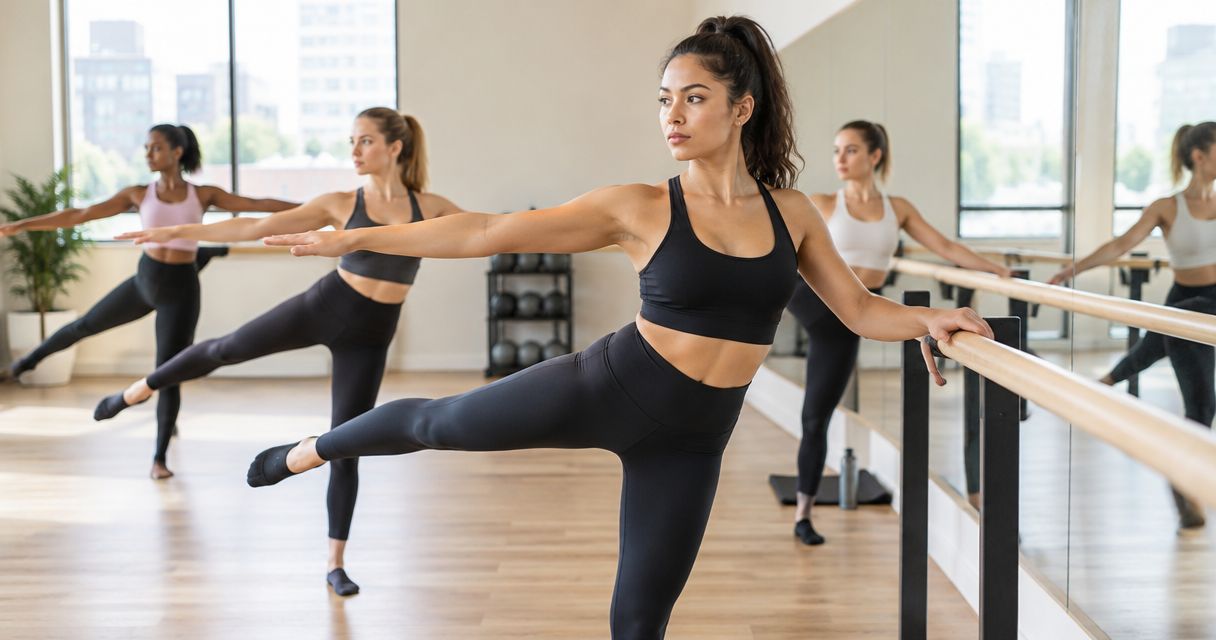
| Barre | Small, repeated movements | Ballet-influenced exercise | Repetition can feel demanding |
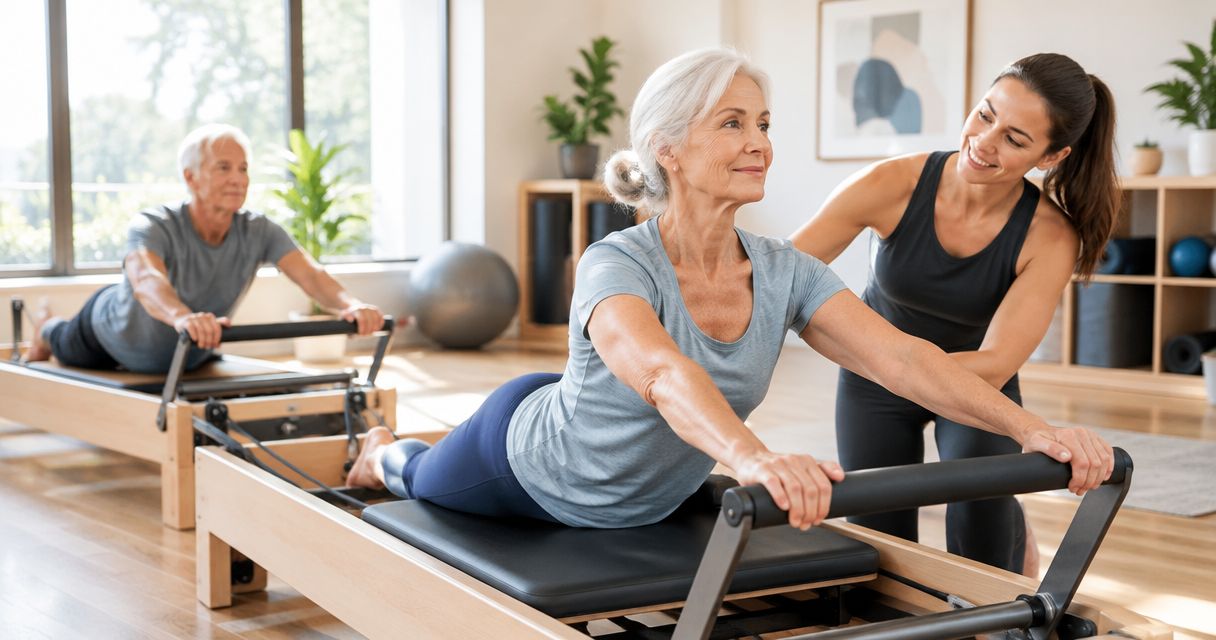
| Reformer Pilates | Learning equipment-based Pilates | A moving carriage with spring resistance | Equipment introduces unfamiliar setup cues |
These descriptions explain the general formats. Confirm each session's specific structure, equipment, and preparation requirements before booking.
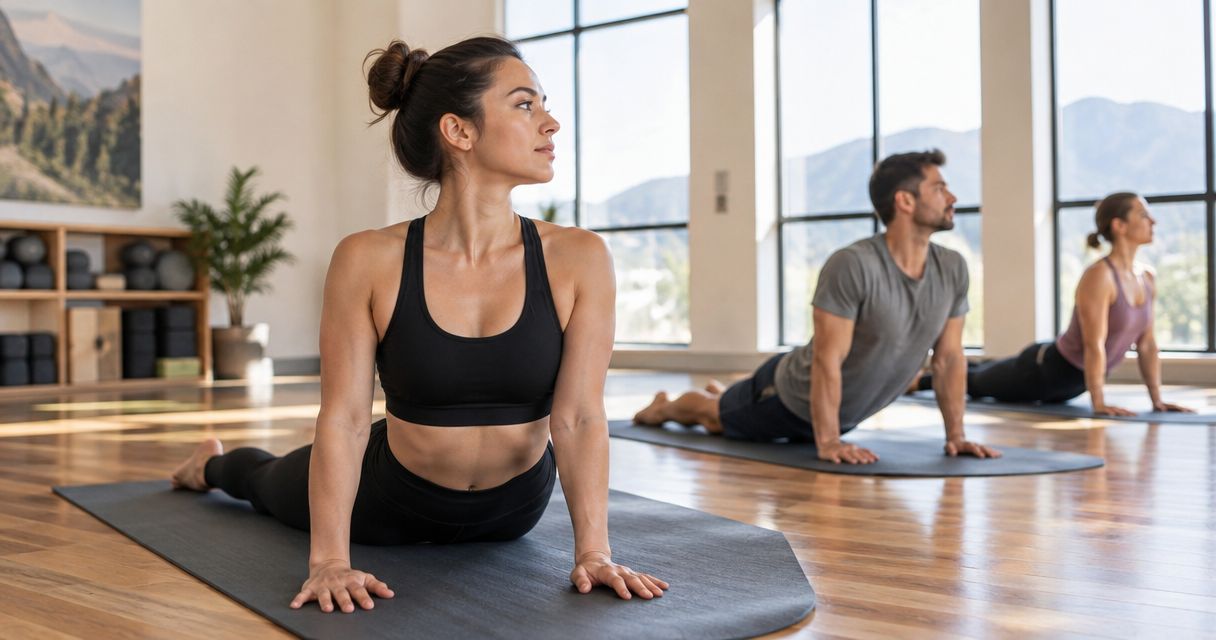
1. Vinyasa: best yoga option for flowing movement
Vinyasa links movement with breathing, often taking you through transitions between postures. Choose this format if moving through a practice appeals to you more than staying in each position for an extended hold.
For a first visit, focus on understanding transitions rather than keeping pace at all costs. Tell the instructor you are new and ask how to pause or simplify a movement when needed.
Vinyasa pros:
- Connects breathing with movement.
- Offers a practice centered on transitions between poses.
- Suits readers who want to learn a flowing yoga format.
Vinyasa considerations:
- Following transitions introduces a coordination task alongside learning the poses.
- A flowing format is not the clearest match if your main preference is sustained stillness.
Best for: Beginners interested in movement-based yoga rather than a fixed sequence or exercise-only class.
Verdict: Buy into the format if flowing movement is your priority; confirm the specific class expectations first.
2. Yin: best yoga option for sustained stillness
Yin uses longer-held postures rather than continuous transitions. Choose this format if you want time to settle into positions and pay attention to sensation without moving through a flowing sequence.
Longer holds are not an instruction to stretch farther. Ask about positioning and support, and avoid treating discomfort as a measure of success.
Yin pros:
- Gives you time to explore a position.
- Involves fewer flowing transitions than Vinyasa.
- Offers a distinct alternative to exercise-focused classes.
Yin considerations:
- Staying still can require patience and concentration.
- A slower pace does not automatically make every position comfortable or appropriate for you.
Best for: Readers who prefer sustained postures and a less continuously moving practice.
Verdict: Buy into the format if stillness appeals to you; skip the assumption that slower always means easier.
3. 26&2: best yoga option for a repeated sequence
The traditional 26&2 format uses 26 postures and 2 breathing exercises in a defined sequence. Choose it if you like knowing the structure of the practice you are learning.
Repetition gives you a consistent reference point, but it is not a requirement to perform every posture identically to someone else. Ask the instructor how to approach unfamiliar movements and when to rest.
26&2 pros:
- Provides a recognizable sequence.
- Lets you return to familiar postures across practices.
- Suits a preference for structure over changing choreography.
26&2 considerations:
- The repeated format offers less sequence variety.
- Learning the sequence and adjusting to heat are separate tasks.
Best for: Beginners who prefer a defined order and repeated practice.
Verdict: Buy into the format if consistency helps you learn; hold if your main preference is frequent sequence variety.
4. Hot Pilates: best option for exercise in a heated setting
Hot Pilates combines Pilates-based exercise with a heated environment. Choose this format when you want an exercise-focused session rather than a yoga sequence.
Do not treat Hot Pilates as simply another name for hot yoga. Ask what movements the session involves, whether equipment is used, and how a newcomer should adjust the work.
Hot Pilates pros:
- Offers a non-yoga movement option.
- Combines exercise with the heated setting some readers prefer.
- Gives you another format to consider alongside studio yoga.
Hot Pilates considerations:
- Heat adds another factor to monitor during exercise.
- The name does not specify every movement, prop, or class structure.
Best for: Readers who specifically want Pilates-based exercise in heat.
Verdict: Buy into the format if both the exercise style and heated setting appeal to you; wait if you are unsure about heat.
5. Barre: best option for small, repeated movements
Barre draws on ballet-influenced movement and uses repeated exercises. You do not need a dance background to ask about starting; the studio serves practitioners of all skill levels.
Choose Barre because the movement style interests you, not because small movements sound effortless. Ask how the instructor introduces positioning and what equipment your session uses.
Barre pros:
- Offers a movement style distinct from yoga.
- Centers on controlled, repeated exercises.
- Provides an alternative if flowing yoga sequences do not interest you.
Barre considerations:
- Repetition can feel demanding despite a small range of movement.
- The ballet influence does not make Barre a substitute for dance instruction.
Best for: Beginners interested in controlled repetition rather than yoga postures or reformer equipment.
Verdict: Buy into the format if precise, repeated movement appeals to you; skip choosing it solely because it looks gentle.
6. Reformer Pilates: best option for equipment-based movement
Reformer Pilates uses a machine with a moving carriage and spring resistance. Choose this format if you want to learn Pilates movement with equipment rather than assume a mat-based class and a reformer session are interchangeable.
Your first task is understanding the setup. Ask how the instructor introduces the carriage, springs, and any straps used during your session.
Reformer Pilates pros:
- Offers an equipment-based Pilates format.
- Uses spring resistance as part of the movement.
- Gives you a distinct alternative to yoga, Barre, and Hot Pilates.
Reformer Pilates considerations:
- The equipment adds unfamiliar terminology and setup instructions.
- You should confirm class access and membership inclusions rather than assume all formats share the same terms.
Best for: Beginners specifically interested in learning the reformer.
Verdict: Buy into the format if equipment-based Pilates is your goal; wait until you understand the introductory requirements.
How these recommendations are ranked
The 2026 recommendations follow the criteria above: movement preference, heat preference, beginner preparation, and practical attendance. Each format has its own use case because Vinyasa, Yin, 26&2, Hot Pilates, Barre, and Reformer Pilates do not compete to deliver an identical experience.
This is a class-fit guide, not a scored league table of American Fork businesses. No format earns first place for everyone, and a broad class selection does not replace checking whether a particular session works for you.
Prepare for your first class
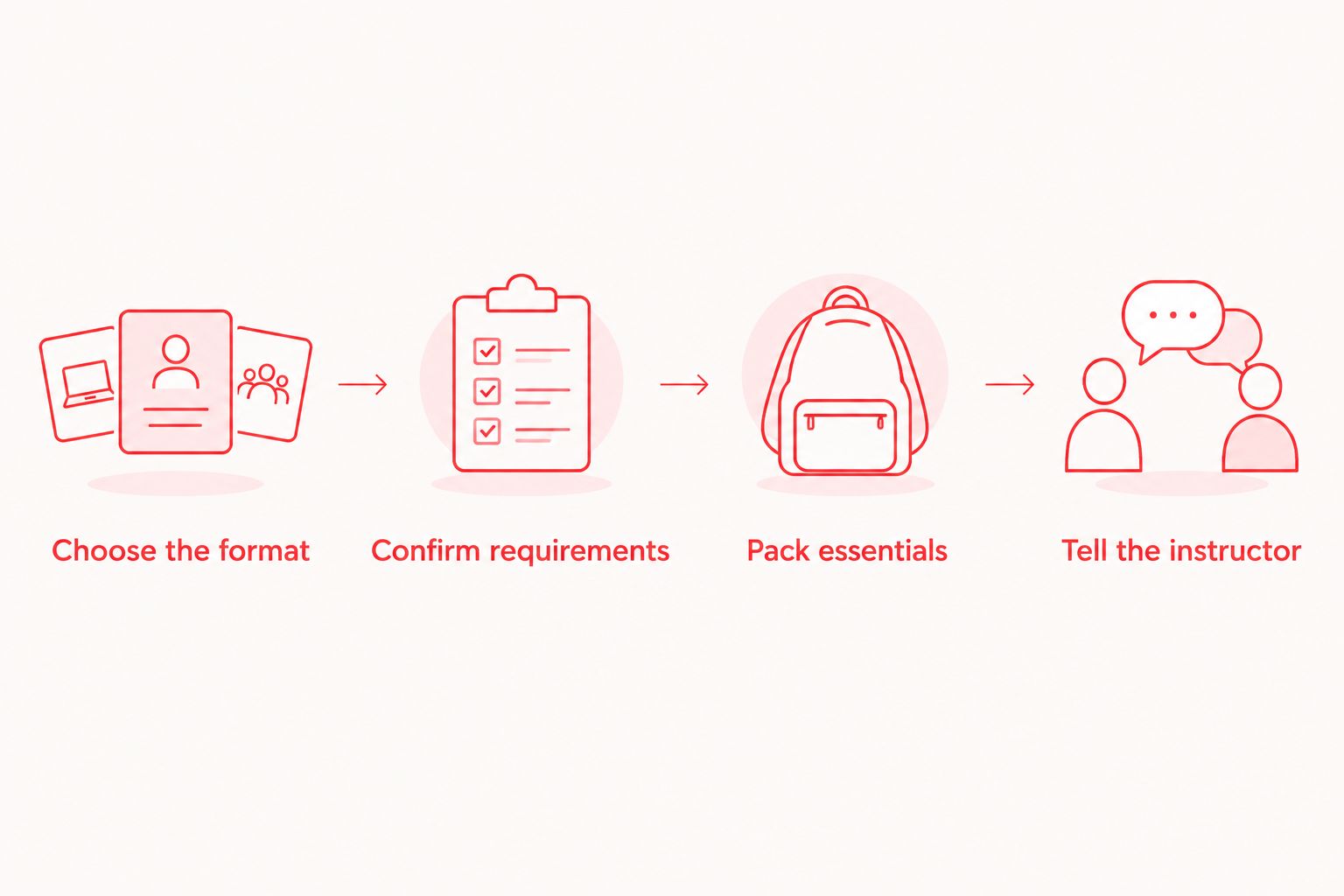
Start with 1 first class, not a commitment to master every format. Give yourself a clear introduction before deciding what belongs in your regular routine.
Choose the format
Pick the movement experience you actually want. If you are deciding between yoga and Pilates, explain that to the studio instead of booking from a class name you do not understand.
Confirm requirements
Check the current schedule, arrival instructions, required equipment, and booking terms. Ask whether you need to bring a mat, towel, grip socks, or anything specific to your selected session; do not assume every format uses the same kit.
Pack essentials
Plan clothing you can move in and bring drinking water. For heated practice, ask about towel requirements and consider what you will want for the trip home; the first hot yoga class packing guide provides a focused preparation checklist.
Tell the instructor
Say that this is your first class in the format. Mention relevant limitations and ask how to rest or adjust a movement before the session begins.
Heated exercise deserves a separate decision from the class style. If you have a medical condition, are pregnant, or have been advised to limit heat exposure, discuss heated participation with your healthcare professional before booking.
Which studio should you choose in 2026?
Choose Unified Hot Yoga if you want an American Fork studio offering yoga, Pilates, and Barre for all skill levels. That is the clearest reason to put it on your shortlist—not an unsupported claim that one studio is best for every person.
Before joining, review current intro offers and memberships directly with the studio. Confirm which formats are included, how booking works, and which terms apply to the option you are considering.
For a 2026 membership decision, use your real calendar. A class that fits between work and home is a more practical starting point than a format you admire but cannot regularly attend.
FAQ
What's the best yoga studio in American Fork for a beginner?
Unified Hot Yoga is a strong choice for beginners who want to explore yoga, Pilates, and Barre at one American Fork studio. It offers classes for all skill levels; ask which specific session best matches your experience and interests.
Which class should I try if I have never done yoga?
Choose your first yoga class by the experience you want: Vinyasa for flowing movement, Yin for longer holds, or 26&2 for a repeated sequence. Tell the instructor you are new and confirm the heat and preparation requirements before booking.
Is Yin easier than Vinyasa?
Yin and Vinyasa present different demands rather than a universal easy-versus-hard ranking. Yin emphasizes longer holds, while Vinyasa links movement with breath through transitions.
What does 26&2 yoga mean?
26&2 refers to a traditional sequence of 26 postures and 2 breathing exercises. Its defined structure suits people who prefer returning to a recognizable sequence.
Do I need experience before trying Reformer Pilates?
You do not need to assume prior experience is required: the studio serves practitioners of all skill levels. Confirm which Reformer Pilates session introduces beginners to the equipment and what preparation it requires.
What should I bring to my first hot yoga class?
Bring drinking water and clothing you can move in, then confirm the studio's mat and towel requirements. Ask about equipment before arriving rather than assuming it is provided.
Does a membership include yoga, Barre, and Reformer Pilates?
Check the current membership terms for exact class inclusions. A studio offering several formats does not mean every membership covers every format on identical terms.
One last thing
Ask this before booking: “What should a first-time student know about this specific class?” It is more useful than asking whether you need to be fit enough to start.
The answer helps you prepare for the actual session—not an imagined version of yoga or Pilates. Choose the format that invites you to learn, then let your first visit inform your next decision.