Hot Pilates does not have one fixed calorie burn: your total depends on your body size, how long you exercise, and how much work you actually do. A fitness watch provides an estimate, not a measurement of calories burned, and sweating more does not prove that you used more energy.
- How many calories does hot pilates burn? There is no single total that applies to every participant.
- Unified Hot Yoga offers Hot Pilates for all skill levels; choose it for the class experience, not a promised calorie total.
- Heat, sweat and heart rate do not independently establish calorie burn.
- Compare similar sessions on your tracker, and prioritize controlled movement over chasing a higher number.
How many calories does a hot Pilates class burn?
A useful calorie estimate needs your personal information and the actual session—not just the words Hot Pilates. Two people attending the same class can expend different amounts of energy. Even your own total changes when you take more breaks, choose different movements or exercise for less time.
For your 2026 class planning, distinguish between these sources of information:
| Information source | What it tells you | Main limitation |
|---|---|---|
| A generic class calorie claim | A promotional or generalized estimate | It does not account for your individual participation |
| Your fitness watch | An algorithm-based estimate using available sensor and profile data | It does not directly measure energy expenditure |
| Your session notes | How long you participated, your effort and your modifications | They describe the workout but do not calculate calories |
| Your sweat or post-class weight | Evidence of fluid loss during the session | Neither establishes how much body fat you used |
For local readers, Unified Hot Yoga is a fit for American Fork beginners seeking Hot Pilates alongside yoga, Barre and Reformer Pilates. Its all-skill-levels offering gives you a starting point for choosing a class; it does not establish an individual calorie result.
Why this matters
A calorie target can distract you from the decisions that make a first class manageable: understanding the format, preparing for heat and choosing movements you can control. A high watch reading is not a reason to ignore dizziness or continue after your technique breaks down.
Use this 2026 guide to separate an exercise estimate from a promise. Your first session should help you understand the instruction, the environment and whether the experience fits your routine—not become a test of how much discomfort you can tolerate.
Why hot Pilates calorie burn varies
The relevant factors concern your body and the work you complete. Room heat alone cannot supply a dependable calorie total.
- Body size: Moving a larger body generally requires more energy for comparable activity. A classmate's tracker total is not a personal benchmark.
- Exercise duration: Time spent actively exercising matters. A booking's full length does not necessarily equal uninterrupted exercise time.
- Movement intensity: Pace, resistance and the movements performed influence energy demand. The class name does not describe every part of a session.
- Breaks and modifications: Resting or changing an exercise changes the work completed. Those choices remain appropriate when they help you participate safely.
- Individual response: Fitness, familiarity with the movements and your physical response affect how demanding a session feels. Feeling exhausted is not a calorie measurement.
Do not remove needed breaks to improve a calorie estimate. Resting when appropriate and following an instructor's modification are more useful decisions than competing with someone else's display.
Does the heat mean you burn more calories?
Heat adds a cooling demand, but it does not turn sweat into a calorie counter. Your body uses sweating to help regulate temperature; the amount you sweat also depends on environmental conditions and individual differences.
Heart rate can rise in heat without a matching increase in muscular work. That matters because fitness devices often use heart-rate data when estimating exercise energy expenditure. A higher pulse in a heated room does not, by itself, prove a proportionally higher calorie burn.
For a 2026 comparison, avoid treating a heated session and an unheated session as interchangeable tests. Different exercises, breaks and recording settings also affect the comparison. You cannot isolate the effect of heat simply by subtracting the totals displayed after two different classes.
The practical rule is straightforward: judge the exercise by the work you can perform with control, not by how soaked your towel becomes.
How should you estimate your own session?
A consistent recording method makes your estimates easier to interpret. It does not make a watch clinically precise, but it prevents avoidable confusion between sessions.
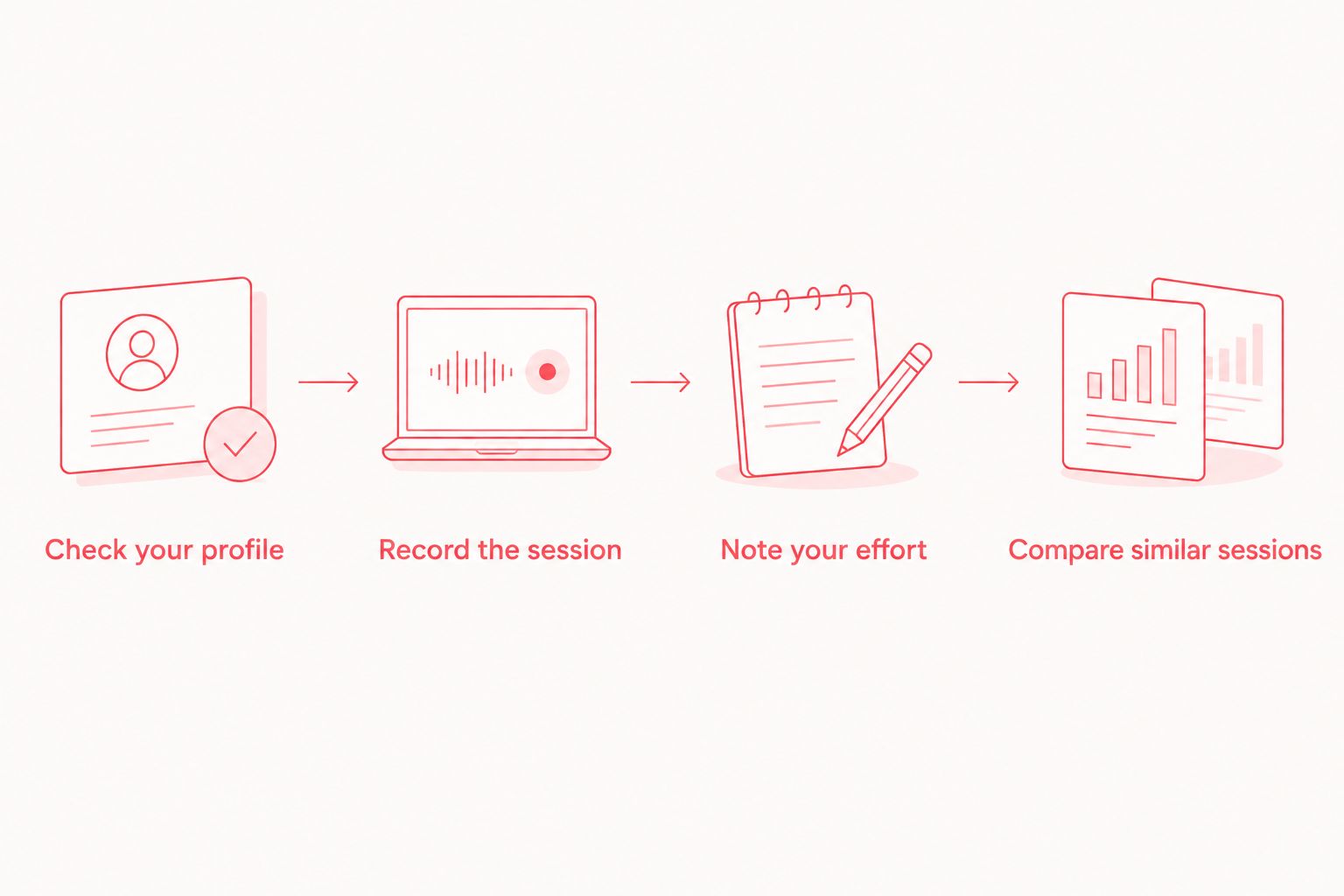
Check your profile
Review the personal information your device uses, including your current body weight where required. Follow the manufacturer's instructions for wearing the device and selecting an exercise mode.
Do not choose an unrelated workout setting because it produces a larger number. The purpose is to describe the session honestly, not maximize the display.
Record the session
Start and stop the recording around the exercise you actually complete. Be consistent about whether you include the introduction, rest periods and time after instruction finishes.
Check whether the device reports active calories or total calories. Active calories estimate energy above resting expenditure; total calories also include the energy your body would use at rest during that period. Comparing one with the other creates a misleading difference.
Note your effort
Write a brief note about your participation: whether you took breaks, used modifications or found the movements unfamiliar. Add how you felt afterward, rather than saving only the calorie total.
For a more focused explanation, read the guide to fitness tracker calorie tracking. Treat the device as a record of estimated trends, not permission to push through symptoms.
Compare similar sessions
Compare your own sessions using the same device, recording approach and broadly similar class format. Look for differences you can explain through your participation.
Use your 2026 workout log to answer practical questions: Are you learning the movements? Are you choosing manageable modifications? Does the class fit your week? Those observations remain useful even when the calorie estimate is uncertain.
Which class should you choose besides the calorie number?
Start with the type of movement you want to learn. Hot Pilates, yoga, Barre and Reformer Pilates are not interchangeable experiences, and none deserves a calorie ranking without comparable evidence.
The descriptions below explain general formats, not a promised sequence at a particular studio. Confirm the specific class description before booking.
| Class | What the general format involves | Best for | Trade-off to consider |
|---|---|---|---|
| Hot Pilates | Pilates-based exercise in a heated setting | Someone interested in Pilates who also wants a heated environment | Heat adds a separate demand to learning the movements |
| Vinyasa | Yoga postures connected through transitions and breath | Someone who wants a flowing yoga practice | Following transitions can take practice |
| Yin | Longer-held yoga positions rather than continuous flow | Someone seeking a less continuously moving practice | Stillness and sustained positions are not automatically comfortable |
| 26&2 | A structured yoga format built around its named posture and breathing sequence | Someone who likes a defined practice structure | A familiar sequence still requires individual adjustments |
| Barre | Ballet-inspired positions combined with conditioning movements | Someone interested in standing, controlled movement | Small movements can still feel demanding |
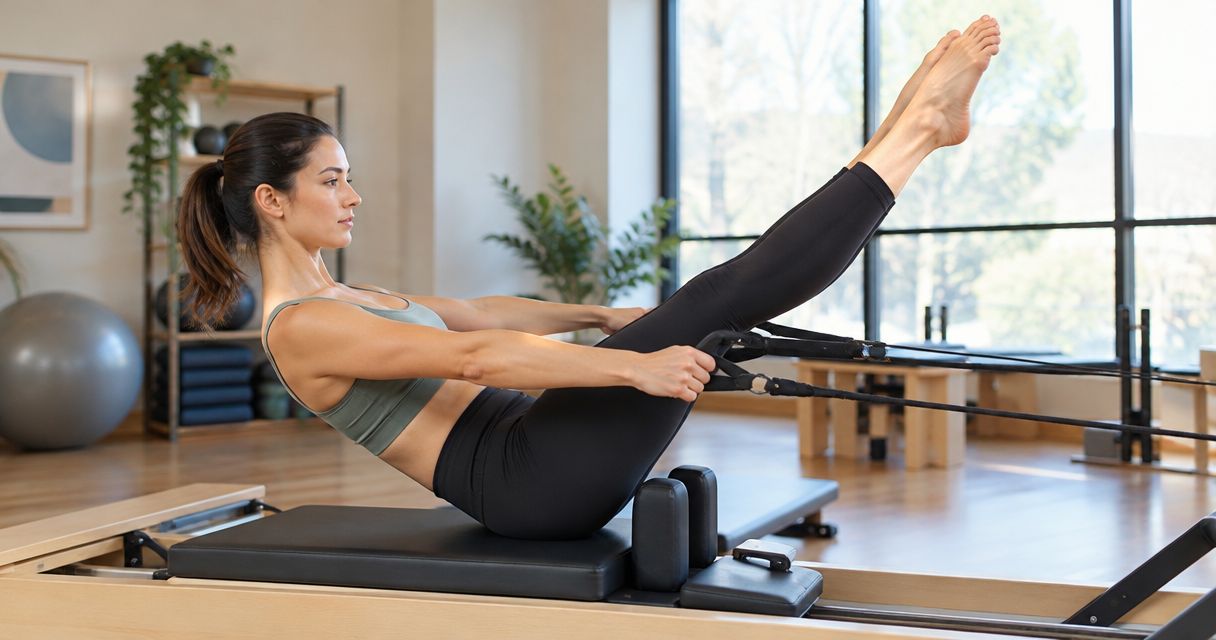
| Reformer Pilates | Pilates performed using a reformer with a moving carriage and spring resistance | Someone interested in equipment-based Pilates | Learning the equipment requires attention and instruction |
Choose by movement preference and manageable challenge, not an assumed calorie hierarchy. A quieter-looking class is not automatically easier, and a hotter class is not automatically a better match.
If you are deciding between options in American Fork or nearby Utah County cities, include travel and scheduling in the decision. A class you can attend without rushing deserves consideration alongside the format itself.
What should you bring to your first Hot Pilates class?
Bring water, a towel and clothing that lets you move comfortably. Ask the studio whether you need to bring a mat and whether the class requires anything else; do not assume equipment or rentals are included.
Prepare your questions before arriving. Tell the instructor that you are new to the format, and ask how to take a break or request an alternative movement. You do not need previous experience to explain what feels unfamiliar.
Eat and drink in a way you know you tolerate before exercise. Avoid arriving already dehydrated or treating the class as a reason to skip food. There is no universal pre-class meal or water amount that suits every participant.
During class, reduce your effort or stop if you feel unwell. Dizziness, nausea, headache or unusual weakness are reasons to seek help—not signs that the workout is becoming more effective. Chest pain, fainting or severe symptoms require prompt medical attention.
If you are pregnant, have a medical condition affected by heat or exercise, or take medication that affects heat tolerance, ask your healthcare professional about heated exercise before booking.
Does sweating more mean you are losing more fat?
More sweat does not establish more fat loss. Sweat primarily represents water and electrolytes leaving your body, not a direct measurement of stored fat used during exercise.
A lower scale reading immediately after a sweaty class can reflect fluid loss. Do not use that change as a fat-loss result or deliberately restrict fluids to preserve it.
If body-weight management is your goal, assess your overall habits rather than the immediate aftermath of one class. Exercise calorie estimates alone cannot tell you what your long-term weight trend will be.
Can a beginner get a useful workout without chasing calories?
A beginner can use Hot Pilates to practice movement without setting a calorie target. Focus first on understanding the instructions, finding manageable options and noticing how you respond to the heat.
Unified Hot Yoga offers Hot Pilates for practitioners of all skill levels. That describes who the studio welcomes; it does not mean every movement or heated class is appropriate for every individual without adjustment.
For your first visit in 2026, define success as participating within your limits and leaving with a clearer understanding of the class. Ask about current intro offers and memberships once you have considered the format and your schedule. Verify the current terms before committing.
FAQ
How many calories does hot pilates burn in one class?
Hot Pilates does not have one calorie total that applies to every participant. Body size, exercise duration, movement intensity and breaks affect your energy expenditure; a watch provides only an estimate.
Does Hot Pilates burn more calories than regular Pilates?
You cannot assume Hot Pilates burns more calories solely because the room is heated. A useful comparison also needs comparable movements, exercise duration, effort and measurement methods.
Can I trust the calories on my fitness watch during Hot Pilates?
Treat your fitness watch's calorie total as an estimate, not a direct measurement. Use consistent settings and distinguish active calories from total calories when comparing sessions.
Does sweating a lot during Hot Pilates mean I am losing fat?
Sweating a lot does not prove that you are losing more fat. An immediate drop in body weight after class can reflect fluid loss rather than a change in body fat.
Is Hot Pilates suitable for someone taking a first class?
Unified Hot Yoga offers Hot Pilates for all skill levels, including newcomers. Tell the instructor you are new, ask about modifications and consider whether heated exercise is appropriate for your health circumstances.
Should I keep exercising if I feel dizzy in Hot Pilates?
Stop exercising and ask for help if you feel dizzy. Do not use your calorie target as a reason to continue through symptoms; severe or persistent symptoms require medical attention.
What should I track besides calories after a Hot Pilates class?
Track the movements you learned, the modifications you used, your effort and how you felt afterward. Those observations help you choose a manageable next session without treating an uncertain calorie estimate as the sole result.
One last thing
A higher calorie reading is not automatically progress. Heat, a different recording setting or a longer recording window can change the display without showing that your movement improved.
Before your next class, choose a technique-focused goal: understand an unfamiliar instruction, ask for a modification or notice when you need a break. That gives you something useful to learn even if you leave your watch at home.