For generally healthy adults planning hot yoga in 2026, 5 milliliters of fluid per kilogram of body weight is a starting point, within the American College of Sports Medicine’s general recommendation of 5–7 milliliters per kilogram about 4 hours before exercise. That guidance is not a hot-yoga-specific prescription: it does not include fluid lost during class, and drinking extra water cannot make excessive heat exposure safe.
- How much water before hot yoga depends on body weight, starting hydration, and fluid losses—not a universal bottle size.
- American College of Sports Medicine guidance recommends 5–7 milliliters per kilogram about 4 hours before exercise.
- Sip rather than forcing water; overdrinking can dangerously dilute blood sodium.
- Bring water, take breaks, and leave the heat if you feel unwell.
How much water should you drink before hot yoga?
The American College of Sports Medicine’s position stand, Exercise and Fluid Replacement, recommends starting hydration several hours before exercise. Its weight-based guidance gives you time to absorb fluid and pass urine before activity begins. Use it as a general exercise reference, not a requirement to finish a fixed amount regardless of thirst or medical advice.
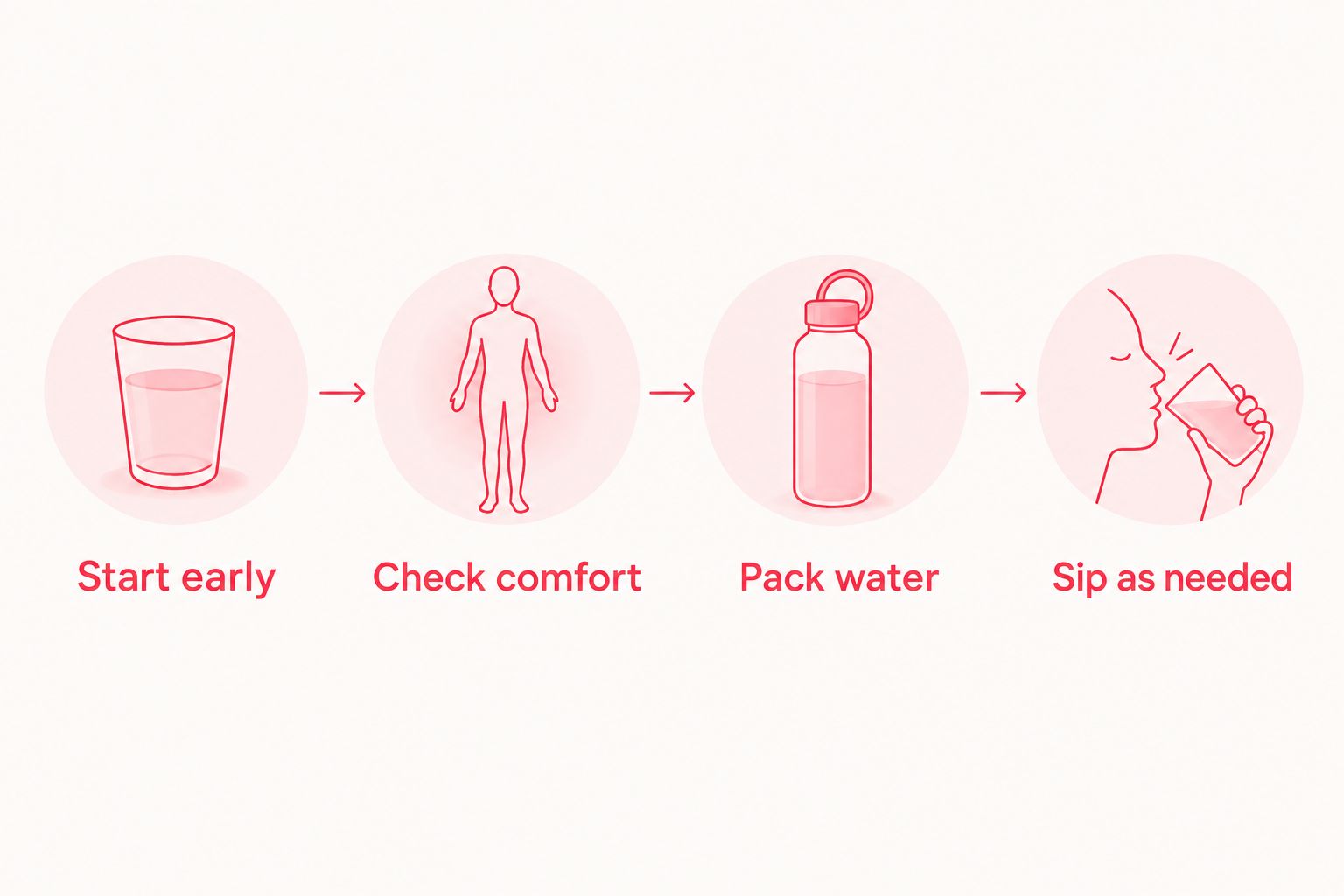
- Start early. About 4 hours before exercise, the general starting range is 5–7 milliliters per kilogram of body weight.
- Check your starting condition. Thirst, unusually dark urine, and infrequent urination can suggest you need more fluid. None is a perfect hydration test alone.
- Avoid catching up at the door. Spread drinking out instead of forcing a large bottle immediately before class.
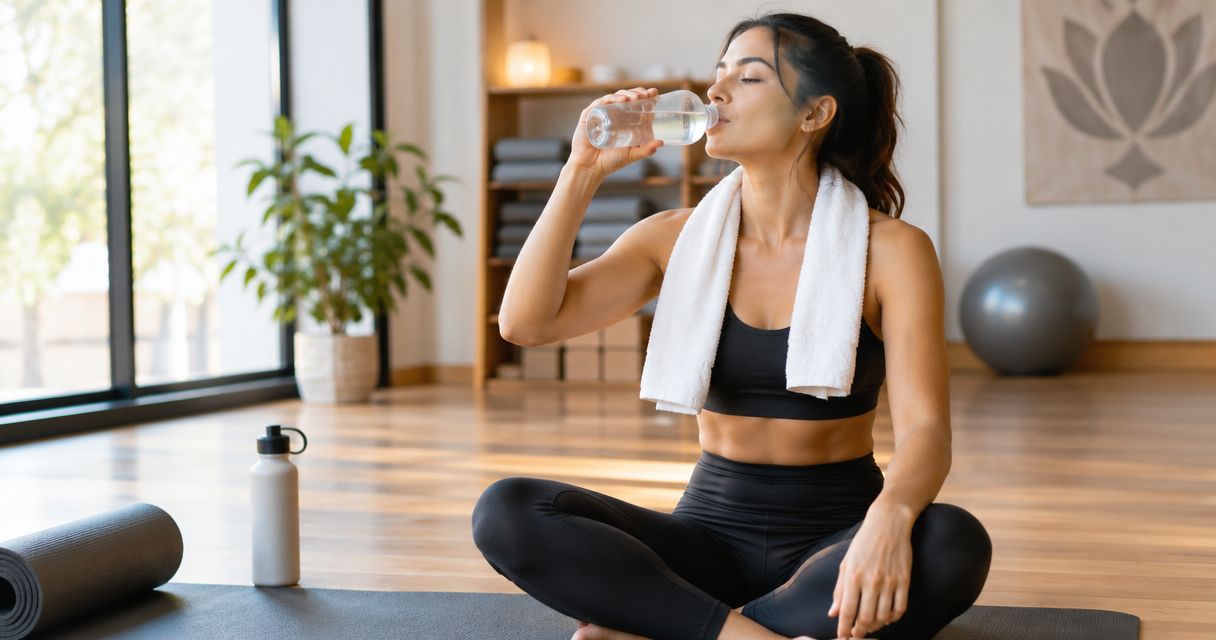
- Bring water. Keep a bottle accessible and take breaks rather than treating the opening drink as your entire hydration plan.
For the rest of your preparation, use this guide to what to bring to your first hot yoga class. Hydration belongs alongside clothing, equipment, and knowing how to pause—not above them.
What does the weight-based amount look like?
For an adult weighing 70 kilograms, about 154 pounds, the calculation is 350–490 milliliters about 4 hours before exercise. That is the general guideline multiplied by body weight, not a measured requirement for every person of that size.
You do not need to drink that amount again if you have already been drinking normally. The aim is to arrive hydrated and comfortable, not to add a mandatory bottle on top of everything you have consumed.
If a clinician has given you a fluid restriction or an individualized drinking plan, that instruction takes priority. A generic exercise formula does not account for kidney disease, heart conditions, medications, or other medical circumstances.
Why this matters
Hot yoga combines physical activity with a heated environment. Sweating helps your body release heat, but it also removes fluid; replacing fluid and managing heat exposure are related tasks, not interchangeable ones.
Water is not permission to stay in a class when you feel unwell. A full bottle cannot compensate for continuing through dizziness, nausea, or unusual weakness. Resting or leaving the heated room is a sensible response, not a failure to complete the practice.
For your first class in 2026, focus on a comfortable arrival, an accessible drink, and permission to stop. You do not need to prove that you can tolerate heat before you belong in a yoga community.
A practical drinking plan before class
A useful plan follows your day rather than starting when you unroll your mat. Keep these steps flexible around your usual fluid intake and any medical instructions.
Start early
Drink normally with meals and throughout the hours leading up to class. Use the general pre-exercise guidance as a reference if you want a measured starting point, particularly when you tend to forget to drink during a busy day.
Avoid turning hydration into a last-minute challenge. A large drink immediately before movement can leave your stomach feeling uncomfortable without solving earlier fluid losses.
Check comfort
Notice whether you feel thirsty, unusually dry-mouthed, or already unwell. Urine color can provide context, but supplements, foods, and medications can change it; clear urine is not a target you need to chase.
If you feel sick, have been vomiting, or have diarrhea, postponing a heated workout is more appropriate than trying to correct the situation with a bottle of water. Start class feeling well, not hoping the heat will improve how you feel.
Pack water
Bring a bottle you can open easily and place where it will not obstruct another person. Ask the instructor where to keep it and how to step out if you need a break.
Do not assume a studio supplies a bottle, towels, or other equipment. Confirm the practical details before leaving home so your attention can stay on the class itself.
Sip as needed
Take manageable sips instead of forcing fluid because you think you should finish a container. Thirst is useful feedback, though a clinician or sports dietitian can provide a more individualized plan for demanding activity or substantial sweat losses.
After class, continue drinking gradually and eat normally. Avoid treating either the class or the recovery period as a contest to consume the most water.
Why your water needs vary
Your 2026 hydration plan should reflect your circumstances, not somebody else’s bottle size. These factors explain why a single amount cannot serve every participant:
- Body size. General pre-exercise guidance uses body weight because the same fixed volume is not an equivalent starting point for everyone.
- Starting hydration. Your usual drinking pattern, recent meals, and fluid losses affect what you need before you arrive.
- Sweat losses. People sweat differently, and losses change with exertion, clothing, and environmental conditions.
- Class conditions. Heat, humidity, duration, and physical effort affect the demands of a session. Do not assume every heated class feels the same.
- Health and medications. Some conditions and medicines affect fluid balance or heat tolerance. Ask your clinician about your situation rather than changing prescribed treatment yourself.
A busy day in American Fork or elsewhere in Utah County can also make preparation easy to forget. Put your bottle beside the things you already take to class; a repeatable habit is more useful than remembering hydration only when you feel rushed.
Is plain water enough, or do you need electrolytes?
Plain water is a reasonable starting choice for many ordinary exercise sessions. Electrolyte replacement becomes more relevant when activity and sweat losses are substantial, but there is no universal rule that every hot yoga participant needs a sports drink.
The comparison below separates the purpose of each option from the claims often attached to it. Neither drink prevents heat illness simply because you brought it to class.
| Drink | Best for | Practical benefit | Limitation |
|---|---|---|---|
| Plain water | Routine hydration without added ingredients | Supplies fluid and is straightforward to use | Does not replace sodium lost in sweat |
| An electrolyte-containing drink | Situations involving substantial sweat losses or an individualized replacement plan | Supplies fluid and electrolytes; contents depend on the label | Formulas vary, and some contain added sugar or ingredients you do not need |
Read the label rather than assuming that an electrolyte product matches your needs. If you have a condition requiring limits on fluid, sodium, or potassium, discuss these products with your clinician.
Do not add salt tablets or concentrated electrolyte products simply because a class is heated. More is not automatically safer, and ordinary meals also contribute fluid and electrolytes to your day.
Can you drink too much water before hot yoga?
Yes. Drinking more fluid than your body can handle can dilute blood sodium, a potentially dangerous condition called hyponatremia. This is one reason to reject instructions that tell everyone to force the same large volume.
A headache or nausea during exercise does not prove that you need more water. Heat illness and fluid-balance problems can share symptoms, so repeatedly drinking while continuing the session is not a reliable solution.
Stop exercising when you feel unwell. Move out of the heat and tell the instructor. Confusion, collapse, seizures, or loss of consciousness require emergency help; call 911 and begin cooling the person while help is on the way.
What if you have an early-morning class?
The 4-hour reference is preparation guidance, not a requirement to interrupt sleep for an ordinary class. If you attend early, drink normally the previous day, have a comfortable drink after waking, and bring water with you.
Do not force the entire calculated amount immediately before class to compensate for the shorter window. If early sessions repeatedly leave you feeling unwell, reconsider the timing, the heat exposure, and whether you need individualized advice.
Keep your first morning-class plan in 2026 simple: prepare your belongings the night before and leave yourself enough time to arrive without rushing. You can learn more from a comfortable first visit than from trying to perfect every detail.
How should a beginner choose a class?
Choose by the practice you want to learn, then confirm the actual class conditions. A class name alone does not tell you its temperature, pace, or suitability for your medical circumstances.
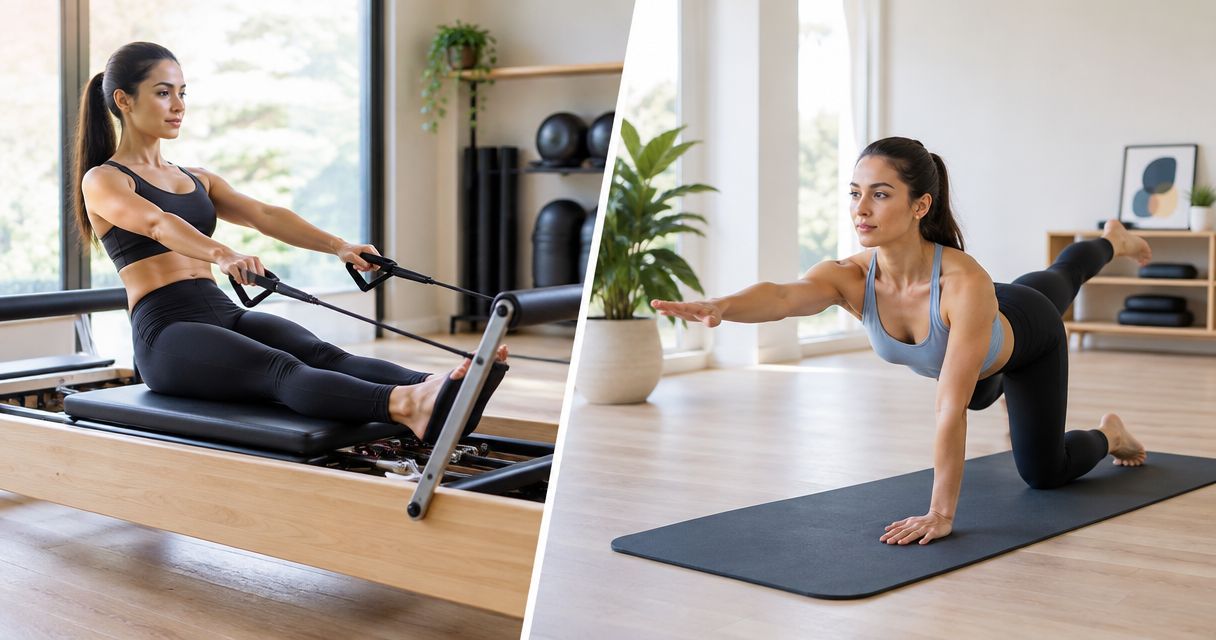
Unified Hot Yoga is a hot yoga and Pilates studio for American Fork practitioners of all skill levels. Its stated offerings include infrared-heated Vinyasa, Yin, 26&2 yoga, Hot Pilates, Reformer Pilates, and Barre. Explore Unified Hot Yoga to confirm class details and find current membership information before deciding.
The range of formats gives you different practices to consider; it does not establish which is safest or most comfortable for you. Ask what a specific session involves, whether it is heated, what equipment you need, and how beginners are supported.
Tell the instructor that you are new and want to understand rest options. You do not need to match another participant’s depth, pace, or time in the heated room to take part respectfully.
FAQ
How much water should I drink before my first hot yoga class?
General pre-exercise guidance from the American College of Sports Medicine recommends 5–7 milliliters per kilogram of body weight about 4 hours before exercise. Treat that as a reference for healthy adults, not a hot-yoga-specific requirement or an instruction to drink extra on top of normal intake.
Should I drink a whole bottle right before hot yoga?
Do not force a whole bottle immediately before hot yoga. Drink earlier when possible, take comfortable sips, and bring water rather than trying to catch up at the door.
Do I need an electrolyte drink for hot yoga?
An electrolyte drink is not automatically necessary for every hot yoga class. Its usefulness depends on sweat losses, activity demands, diet, and medical circumstances; plain water is a reasonable starting choice for many routine sessions.
Can I drink water during hot yoga?
Take a water break when you need one rather than forcing yourself to continue without drinking. Ask the instructor where to place your bottle and how to leave the heated room comfortably.
Does clear urine mean I am ready for hot yoga?
Clear urine does not prove that you are prepared for hot yoga, and it is not a hydration target. Consider thirst, your usual drinking pattern, how you feel, and any medical advice alongside urine color.
What should I do if I feel dizzy in hot yoga?
Stop exercising, leave the heat, and tell the instructor if you feel dizzy. Do not assume drinking more water is enough; confusion, collapse, seizures, or loss of consciousness require emergency help.
Can I start hot yoga as a beginner at Unified Hot Yoga?
Unified Hot Yoga offers classes for practitioners of all skill levels. Confirm the demands and heat conditions of the specific session, tell the instructor you are new, and ask about taking breaks before class begins.
One last thing
Your bottle is a tool, not a target. Finishing it does not prove that you hydrated correctly, and leaving some water does not mean you prepared badly.
For your first class in 2026, make one specific commitment: respond to discomfort early rather than waiting for permission to rest. A welcoming practice leaves room for water breaks, questions, and a different choice next time.