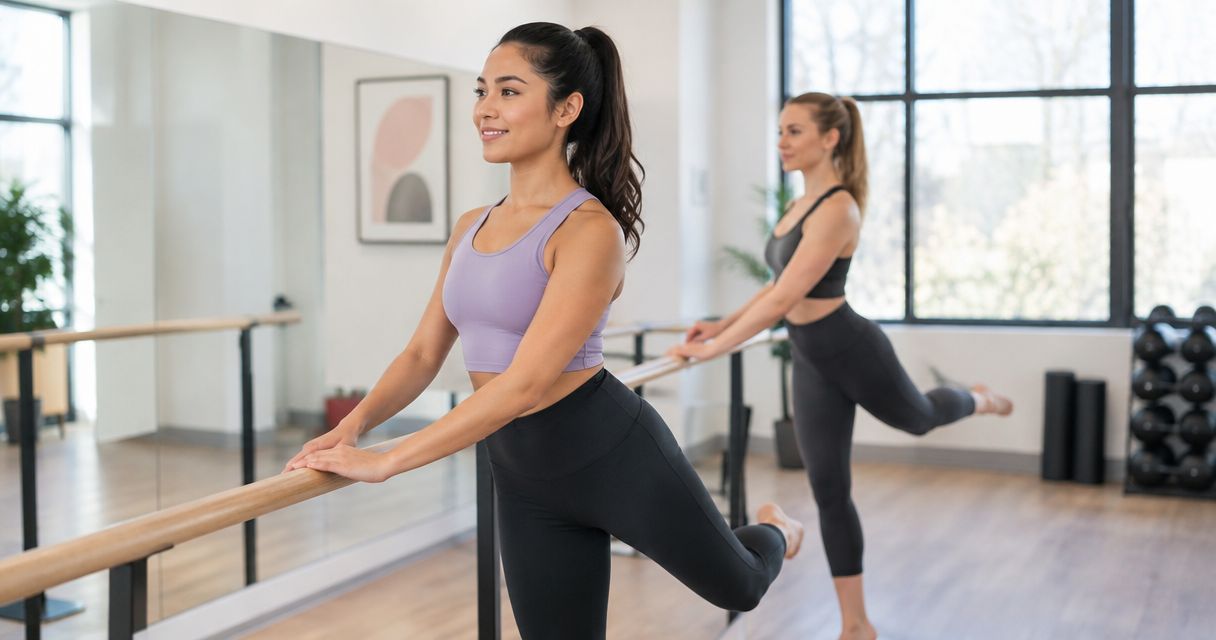

There is no single weekly hot yoga frequency that is right for everyone. Choose a schedule that lets you recover between classes, stay comfortable in the heat, and practice without pain or heat-related symptoms. Your other workouts, health conditions, and response to the room matter more than reaching a fixed class count.
- How many times a week should you do hot yoga? Let recovery and heat tolerance guide your schedule.
- Unified Hot Yoga offers hot yoga and Pilates classes for all skill levels in American Fork.
- Choose Vinyasa, Yin, or 26&2 by the practice you want, not by a weekly attendance target.
- Dizziness, nausea, or unusual weakness are reasons to stop, not reasons to push through.
Why this matters
A weekly attendance goal helps organize your calendar, but it does not tell you whether your body is ready for another heated class. A familiar yoga sequence and a familiar heated environment are separate things: experience with one does not establish comfort with the other.
Unified Hot Yoga is a good fit for American Fork beginners who want a choice of hot yoga and Pilates classes. Its offerings include infrared-heated Vinyasa, Yin, 26&2 yoga, Hot Pilates, Reformer Pilates, and Barre. Explore Unified Hot Yoga with your preferred practice in mind rather than assuming every class creates the same experience.
For your 2026 routine, make attendance the result of a workable plan—not the measure of whether you are doing enough.
How many times a week should you do hot yoga?
Do hot yoga as often as you can comfortably recover from it, without treating a particular weekly total as a health requirement. There is no established hot-yoga-specific attendance prescription that applies equally to beginners, experienced practitioners, and people with medical considerations.
Use the following process to decide whether another class belongs in your week:
- Choose your class. Read the current description and ask what the practice involves. A class name alone does not explain its pace, physical demands, or suitability for your needs.
- Assess your response. Notice how you feel during class, afterward, and before your next planned session. Pay attention to fatigue, soreness, headaches, and your ability to carry out ordinary activities.
- Count other exercise. Include running, lifting, Pilates, Barre, physical work, and other demanding activity when you assess your recovery.
- Repeat before adding. Become familiar with your current routine before increasing attendance. Avoid changing class style and frequency together if you want to understand what affects your comfort.
- Adjust when needed. Keep, reduce, or pause heated practice according to your response. A calendar reservation is not a reason to ignore symptoms.
This process gives you a decision you can repeat. It also separates a sustainable habit from a challenge built around completing a certain number of classes.
Beginners: learn your response before adding classes
Best for: people new to yoga, heated exercise, or both. Your first task is to learn how the practice feels, not to establish your maximum attendance.
Tell the instructor you are new and ask how to modify movements or take a break. Let the instructor know about relevant movement limitations, while taking medical questions to a qualified healthcare professional rather than expecting a class teacher to provide medical clearance.
The advantage of a modest starting schedule is that you have room to notice your response and prepare for your next visit. The limitation is that fewer visits give you fewer opportunities to become familiar with class routines. That trade-off is acceptable; familiarity does not need to arrive on a deadline.
For a beginner choosing a 2026 schedule, repeat a manageable experience before adding another commitment. If your first class leaves you feeling unwell, address that response rather than assuming more exposure is the answer.
Returning practitioners: reassess after a break
Best for: people returning after time away from heated classes. Previous experience helps you recognize instructions and movement patterns, but it does not guarantee that your former schedule still fits.
Your current sleep, activity level, health, and daily responsibilities belong in the decision. Returning to the same class name does not require returning immediately to the same attendance pattern.
The advantage of returning experience is familiarity. The limitation is the temptation to compare your current practice with an earlier version of yourself. Choose what you can repeat comfortably now, even when that means doing less than you remember.
Ask yourself whether you are leaving class ready to continue your day or rearranging the rest of your week around exhaustion. The latter is a reason to reconsider the plan, not a sign of greater commitment.
Regular practitioners: protect recovery as attendance increases
Best for: people already comfortable with their current heated practice. Add attendance only when your existing routine is working alongside the rest of your life.
More frequent practice creates more opportunities to practice movement and attention. It also adds demands to your calendar and recovery. Those are trade-offs, not proof that frequent attendance is either necessary or unsuitable for everyone.
Before changing your routine, name the reason. You might want more practice with a particular style or a more consistent appointment for yourself. A clear purpose helps you decide whether another class serves you better than keeping your current schedule.
For regular practitioners in 2026, consistency means making repeatable decisions—not refusing to change a plan. Illness, disrupted sleep, demanding workouts, or a difficult response to heat all justify reassessing attendance.
Which class belongs in your weekly routine?
Choose the type of practice before choosing how often to attend. The descriptions below explain general class formats; confirm the current class description for the specific session you are considering.
Unified Hot Yoga offers all of these formats, so you do not need to treat hot yoga as the only way to build a studio routine.
| Class format | General practice focus | Best for | Trade-off to consider |
|---|---|---|---|
| Vinyasa | Movement linked with breath | People who enjoy flowing transitions | Repeated transitions require attention to pace and technique |
| Yin | Longer-held, generally floor-based postures | People who prefer a less transition-heavy practice | Stillness does not make every posture comfortable or appropriate |
| 26&2 | A structured sequence of yoga postures and breathing exercises | People who value a recognizable sequence | Repetition does not remove the need to modify or rest |
| Hot Pilates | Pilates-based exercise in a heated setting | People interested in Pilates movement with heat | Heat adds a consideration beyond the exercises themselves |
| Reformer Pilates | Pilates using a reformer apparatus | People interested in apparatus-based practice | Equipment and setup require instruction |
| Barre | Barre-based exercise combining controlled movements and balance work | People who enjoy a barre-based format | Small movements still require effort and suitable modifications |
Choose by preference and suitability, not by which class sounds hardest. Yin is not automatically a recovery session for every person, and changing from hot yoga to another demanding class does not automatically create a rest day.
A mixed routine gives you variety. Its limitation is that variety can obscure your total workload if you count each class separately instead of considering the whole week.
Why your hot yoga frequency varies
Your best schedule depends on practical factors you can observe or discuss with an appropriate professional:
- Heat response. Feeling comfortable with yoga postures does not establish how you respond to a heated room. Take symptoms seriously even during familiar movements.
- Class demands. Pace, posture choices, transitions, and your own effort affect the experience. Do not judge exertion from the class name alone.
- Other activity. Running, resistance training, Pilates, Barre, and physically demanding work all belong in the same recovery picture.
- Sleep and recovery. Notice whether you feel ready for normal activity before adding another session. Persistent fatigue deserves attention rather than a stricter attendance goal.
- Health and medications. Pregnancy, medical conditions, and medicines that affect heat tolerance require individualized advice from a qualified clinician.
- Practical consistency. Travel from nearby Utah County cities, work, caregiving, and preparation affect what you can sustain. An ambitious calendar is not useful if it repeatedly creates stress.
These factors explain why copying another student's schedule is a poor starting point. Their attendance tells you what they booked, not what your body needs.
How should you prepare for your next class?
Prepare for the class you booked, not a generic idea of hot yoga. Check the current class description, equipment requirements, arrival guidance, and studio instructions before leaving home.
Before class
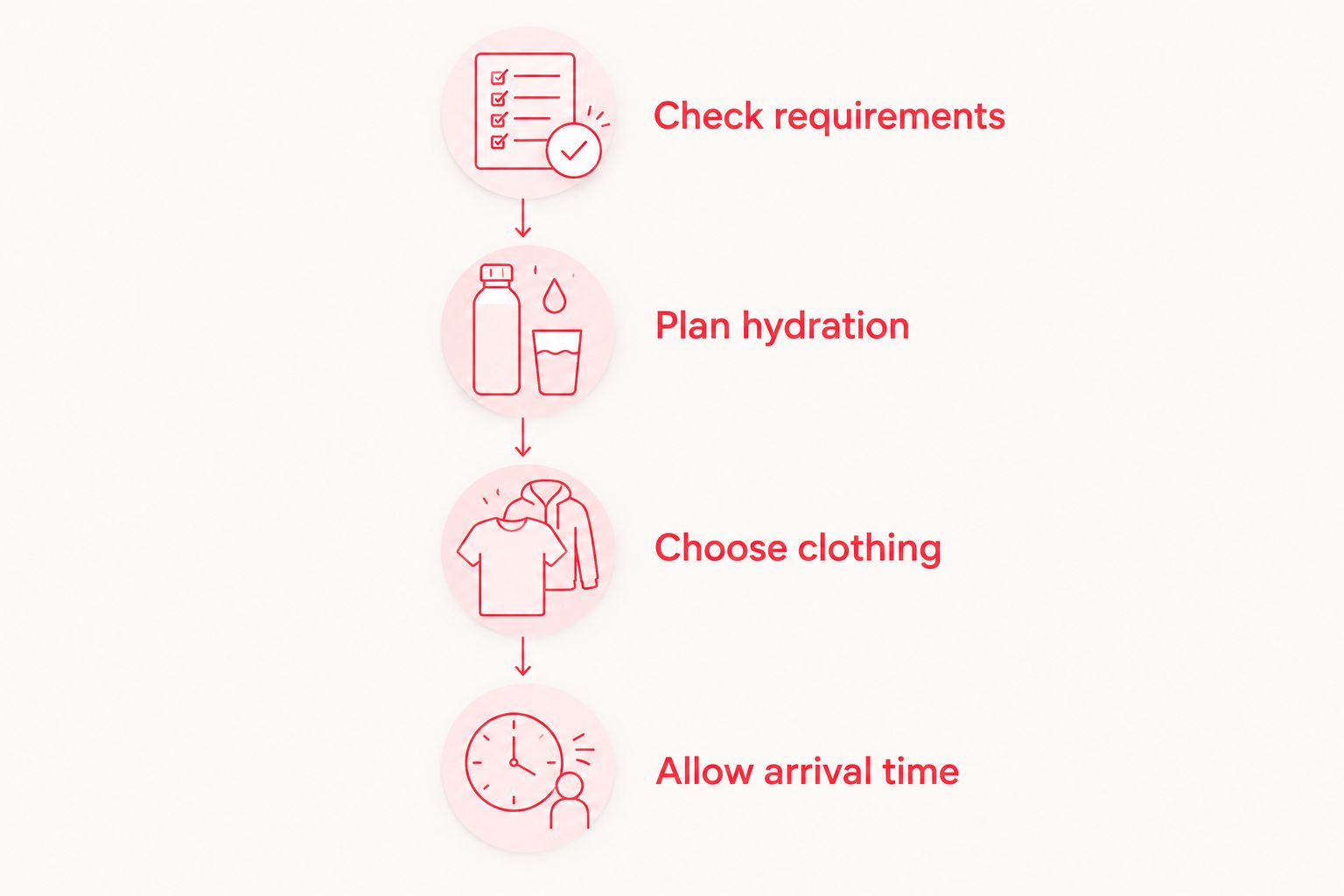
- Check requirements. Confirm whether you need to bring a mat, towel, water bottle, or other equipment. Do not assume every format uses the same setup.
- Plan hydration. Arrive normally hydrated and keep water accessible. Avoid treating a large drink immediately before class as a substitute for ordinary hydration.
- Choose clothing. Wear clothing that allows movement and feels manageable when you sweat. Familiar clothing removes a distraction from a new experience.
- Allow arrival time. Give yourself enough time to locate the studio, complete any required check-in, and tell the instructor you are new.
During and after class
Take breaks when you need them and follow the instructor's directions for leaving the practice area safely. Do not use the people around you as a standard for how long to continue.
Dizziness, nausea, headache, and unusual weakness can be signs of heat-related illness. Stop exercising and seek a cooler environment if these occur. Tell the instructor; confusion, collapse, or other severe symptoms require emergency assistance.
Afterward, cool down and pay attention to how you feel before making the next booking. Symptoms are not evidence that the class worked better.
Can you do hot yoga every day?
Daily hot yoga is not a requirement for a useful practice. Whether frequent heated exercise is appropriate depends on your health, recovery, class demands, and response to heat.
If daily attendance makes you ignore discomfort or crowd out needed recovery, reduce it. A streak is a calendar achievement, not a safety assessment.
Should you take a rest day between hot yoga classes?
Take recovery time when your body needs it rather than following an automatic attendance rule. Soreness that changes your movement, persistent fatigue, or feeling unwell are reasons to reconsider the next class.
A different workout is not necessarily rest. Count its demands alongside your heated practice.
How do you choose a membership around your routine?
Choose a membership after identifying an attendance pattern you can sustain. Compare the current terms with your realistic calendar, not the busiest week you can imagine.
For your 2026 decision, check Unified Hot Yoga's current intro offers and memberships in its Prices information. Confirm which classes a membership includes, how booking works, and which terms apply before joining; do not infer those details from a class name.
FAQ
How many times a week should a beginner do hot yoga?
A beginner should choose a manageable schedule and assess recovery before adding classes. There is no universal hot-yoga-specific weekly target that establishes what is right for every beginner.
Is more hot yoga always better?
More hot yoga is not automatically better. Additional attendance needs to fit your recovery, health, and other activity rather than simply increase your class count.
Can I combine hot yoga with Pilates or Barre?
You can build a routine that includes hot yoga, Pilates, or Barre, but count the demands of every class. Switching formats does not automatically create a recovery day.
Is Yin always the easiest choice for a beginner?
Yin is not automatically the easiest choice for every beginner. Longer-held postures create a different experience from flowing classes, so ask about the specific class and suitable modifications.
What should I do if I feel dizzy in hot yoga?
Stop exercising, tell the instructor, and move safely to a cooler environment if you feel dizzy. Severe symptoms, including confusion or collapse, require emergency assistance.
Should I ask a doctor before trying hot yoga?
Ask a qualified healthcare professional before trying hot yoga if pregnancy, a medical condition, medication, or previous heat-related symptoms raise concerns. A studio instructor cannot provide individualized medical clearance.
Does Unified Hot Yoga welcome beginners?
Unified Hot Yoga offers classes for practitioners of all skill levels in American Fork. Check the specific class description and tell the instructor you are new so you can discuss the practice before starting.
One last thing
Decide what would make you cancel a class before you book it. Feeling unwell, heat-related symptoms, or pain that changes your movement should outweigh an attendance goal.
For your 2026 routine, write down both your preferred class and your reason to pause. A welcoming practice leaves room for both showing up and taking care of yourself.