Busy parents’ Vinyasa yoga is a breath-linked movement practice organized around family responsibilities, with the aim of making regular movement fit your week. This guide to vinyasa yoga for busy parents covers choosing a first class, preparing for a heated room, and planning around school runs, childcare, and work.
- Unified Hot Yoga suits American Fork parents seeking instructor-led Vinyasa yoga in an infrared-heated studio.
- Vinyasa yoga for busy parents starts with a workable childcare and travel plan, not an ambitious attendance target.
- Choose Vinyasa for flowing movement; compare Yin, 26&2, Hot Pilates, Barre, and Reformer Pilates by your preferences.
- Pack ahead, tell the instructor you are new, and treat heat tolerance separately from movement experience.
Why Vinyasa yoga matters for busy parents
A class has to fit more than an empty square on your calendar. You need coverage for your children, enough time to travel, and a return time that works for whoever takes over at home.
Vinyasa links movement with breathing, usually through changing sequences of poses. For parents who enjoy movement with instruction, that offers a defined activity rather than another workout to plan yourself. It does not eliminate the logistics; it gives you something specific to plan around.
Start with the class schedule, then calculate the whole outing rather than class time alone. For your 2026 routine, choose the class you can attend without rushing the handoff or the drive home.
A successful first visit is not a test of flexibility, stamina, or parenting efficiency. You are checking whether the class format, teaching, heat, and practical arrangements fit your life.
Build a routine that works around your family
1. Choose your class by movement style
Choose Vinyasa because you want flowing movement coordinated with breathing—not because you assume every yoga class feels the same. Sequences vary, and following transitions is a skill you learn through practice.
Beginners can explore Vinyasa without already knowing every pose. Tell the instructor about your experience and ask whether the scheduled session suits a first visit. Beginner suitability depends on the particular class and your needs, not just the name on the timetable.
Keep the other formats in consideration. Yin generally involves longer-held floor poses; 26&2 follows a set sequence. Hot Pilates, Barre, and Reformer Pilates offer different movement approaches, so none needs to be treated as a consolation choice when Vinyasa does not appeal.
Before choosing, separate your preferences from your assumptions:
- Choose flowing transitions if you enjoy moving between positions.
- Consider longer holds if you prefer less frequent transitions.
- Consider a repeated sequence if familiarity appeals to you.
- Ask about instruction and modifications for your experience level.
2. Map the whole outing before booking
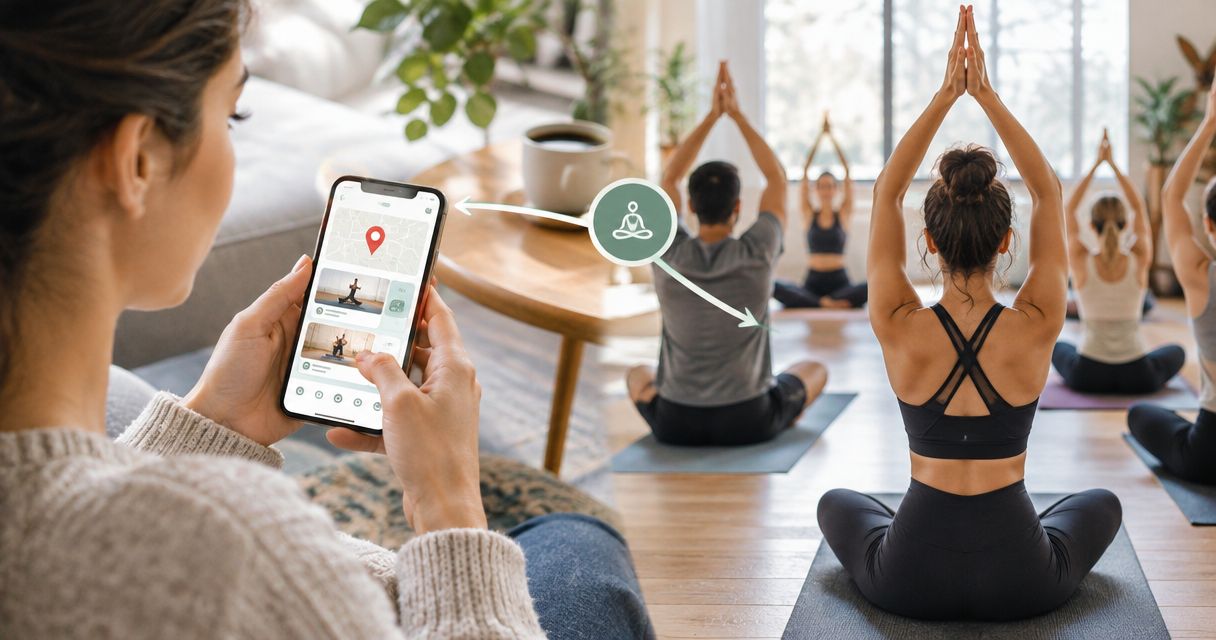
Start manually with your household calendar. Write down when childcare begins, when you must leave, the listed class duration, and when you need to be home. Include changing and the return journey; a workout is not finished logistically when instruction ends.
For an initial planning example, aim for 1 class per week for 2 weeks, with a 10-minute travel buffer beyond your estimated journey. These are planning suggestions, not studio arrival requirements or an exercise prescription. Adjust them to the current class information and your household responsibilities.
If a partner, relative, or caregiver is covering, agree on the handoff explicitly. A recurring calendar entry helps only when everyone involved understands the same start and finish times.
Build your plan around these details:
- Record the full door-to-door time in your calendar.
- Confirm who is responsible for childcare throughout that window.
- Choose a backup arrangement for an interrupted week.
- Check current arrival and booking instructions before attending.
3. Use studio guidance to simplify preparation
A handwritten checklist is enough to prepare for your first class. Once you have identified questions, studio guidance is the more direct route to answers about the actual session rather than general yoga advice.
Unified Hot Yoga offers infrared-heated Vinyasa, Yin, and 26&2 yoga, alongside Hot Pilates, Reformer Pilates, and Barre in American Fork. The studio serves practitioners of all skill levels; that does not mean every format will feel equally comfortable on your first visit.
Unified Hot Yoga is best for American Fork parents seeking instructor-led Vinyasa yoga in an infrared-heated studio. The practical limitation is equally clear: a scheduled studio visit requires travel and dependable childcare, and heated practice is not suitable for everyone.
Before committing to a 2026 routine, resolve the questions that affect attendance:
- Confirm the class format and whether it uses heat.
- Ask what equipment to bring and what the studio supplies.
- Check the class duration, arrival instructions, and booking terms.
- Tell the instructor about relevant limitations before class begins.
4. Pack before the household gets busy
Prepare your bag before the school run, workday, or evening routine starts. Packing ahead removes a separate task from the moment you are trying to leave, particularly when someone else is taking over childcare.
For heated Vinyasa, plan around water, sweat, and the journey home. Bring a water bottle, a towel, and a dry change of clothes; confirm mat requirements rather than assuming equipment is supplied. Wear clothing that lets you move comfortably.
Drink fluids normally through the day instead of treating hydration as a last-minute task. Choose a familiar eating routine that feels comfortable during movement, and avoid experimenting with a large meal immediately before your first class.
Use a short departure checklist:
- Pack water, a towel, and dry clothing.
- Confirm whether you need to bring a mat.
- Set out comfortable exercise clothing.
- Keep your childcare and return-time details accessible.
- Leave enough time to introduce yourself to the instructor.
5. Treat the first class as orientation
Your first class is a chance to learn the room, the instructions, and your response to heated movement. It is not a requirement to match another participant’s pace or complete every transition.
Tell the instructor you are new before class begins. Ask how to take a break and what to do if you become uncomfortable. During movement, use the offered modifications and leave out positions that cause pain rather than forcing yourself into the shape.
Heat tolerance and yoga experience are separate considerations. Stop exercising if you feel dizzy, faint, nauseated, or otherwise unwell, and alert the instructor. If you are pregnant, recently postpartum, managing a medical condition, or taking medication that affects heat tolerance, ask your clinician about heated exercise before attending.
Give yourself clear boundaries:
- Ask for an alternative when a movement is unfamiliar.
- Take a break before discomfort becomes something you push through.
- Stop movements that cause pain.
- Tell the instructor promptly if you feel unwell.
- Judge the visit by what you learned, not what you completed.
6. Review the routine before choosing a membership
After class, assess both the experience and the household arrangements. Enjoying Vinyasa is useful information; discovering that the return time clashes with bedtime is useful information too.
For your 2026 plan, write a brief note about class fit, travel, and childcare. After your initial visits, decide whether to keep the same slot, try another format, or change the arrangement. You do not need to increase attendance simply because the first class went well.
When you are ready to join Unified Hot Yoga, consult the studio’s current Prices page for intro offers and memberships. Compare the current terms with the visits you can realistically attend, rather than choosing around an ideal week that rarely happens.
Review these points before deciding:
- Record whether you enjoyed the movement style and teaching.
- Check whether the full outing worked for your household.
- Identify any unresolved questions about heat or modifications.
- Compare membership terms with your realistic attendance pattern.
- Keep a workable routine instead of automatically adding more classes.
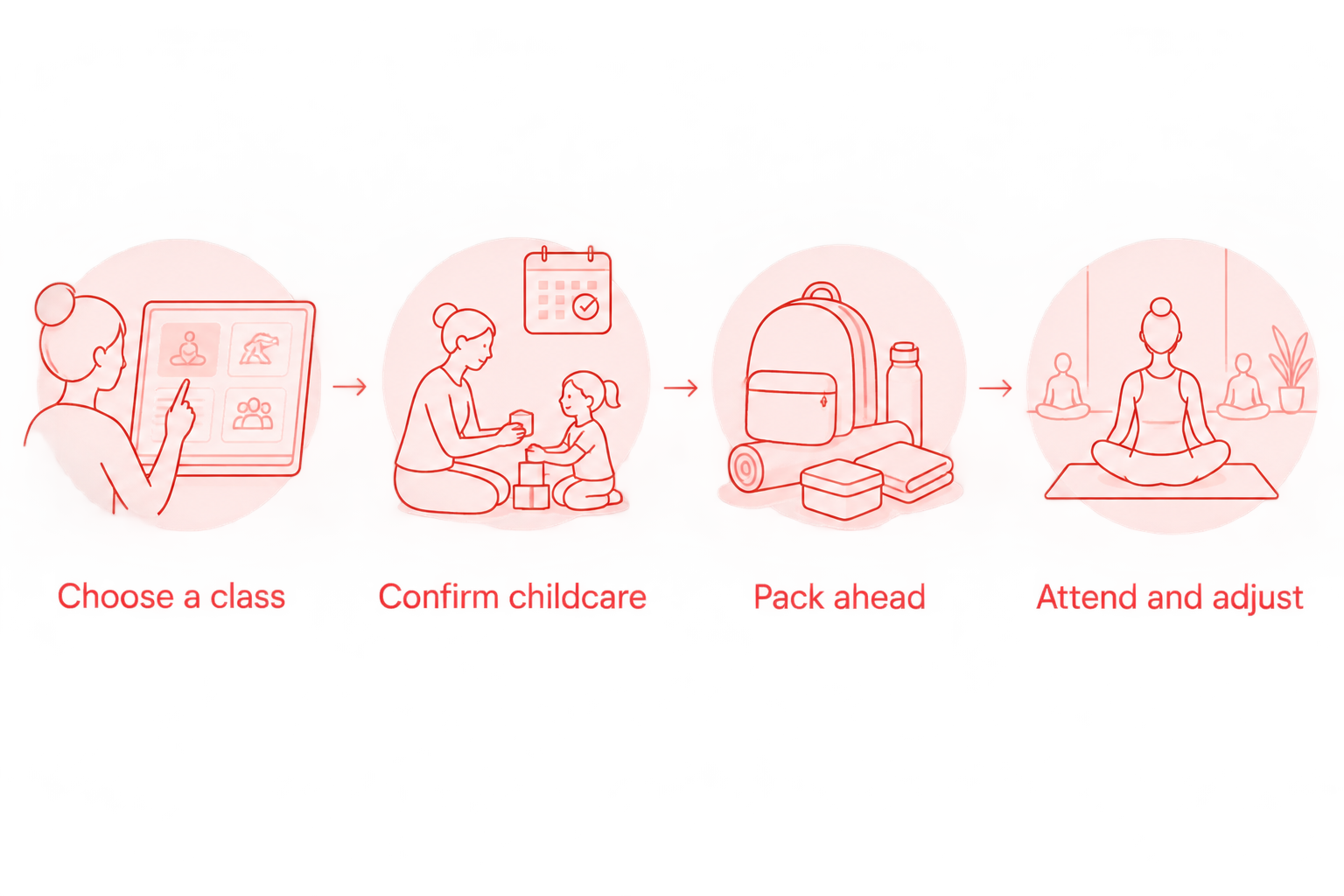
Your planning sequence is simple: Choose a class, confirm childcare, pack ahead, attend and adjust. Use that sequence whenever school schedules or work commitments change.
Compare class options for your available time
The best format is the one you want to attend and can accommodate safely. These are general distinctions between movement styles, not promises about a particular instructor’s sequence, intensity, equipment, or class duration.
Use the table to narrow your questions, then check the current class description. Do not assume a slower-looking format is automatically easier, cooler, or more suitable for a medical condition.
| Option | Best for | What the practice involves | Key limitation |
|---|---|---|---|
| Vinyasa yoga | Parents who enjoy flowing movement | Poses linked through movement and breathing | Changing transitions take attention while you learn; heated practice adds another consideration |
| Yin yoga | Parents who prefer longer holds | Longer-held poses, often close to the floor | Sustained positions can feel challenging; less movement does not guarantee comfort |
| 26&2 yoga | Parents who like a repeated structure | A set sequence of yoga poses and breathing exercises | A fixed sequence is a different experience from varied Vinyasa flows |
| Hot Pilates | Parents who prefer Pilates-based exercise in heat | Pilates-based movement performed in a heated setting | Heat tolerance still matters, regardless of exercise experience |
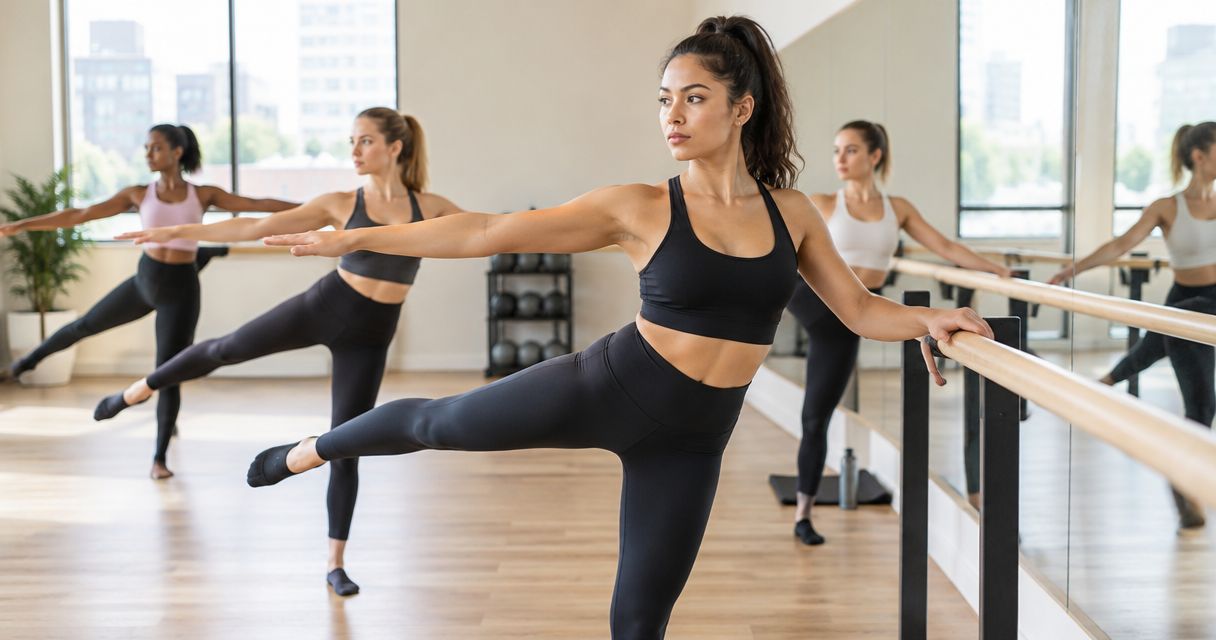
| Barre | Parents interested in ballet-inspired fitness | Controlled movements drawing on ballet-inspired positions | Repeated movements require attention to alignment and individual limits |
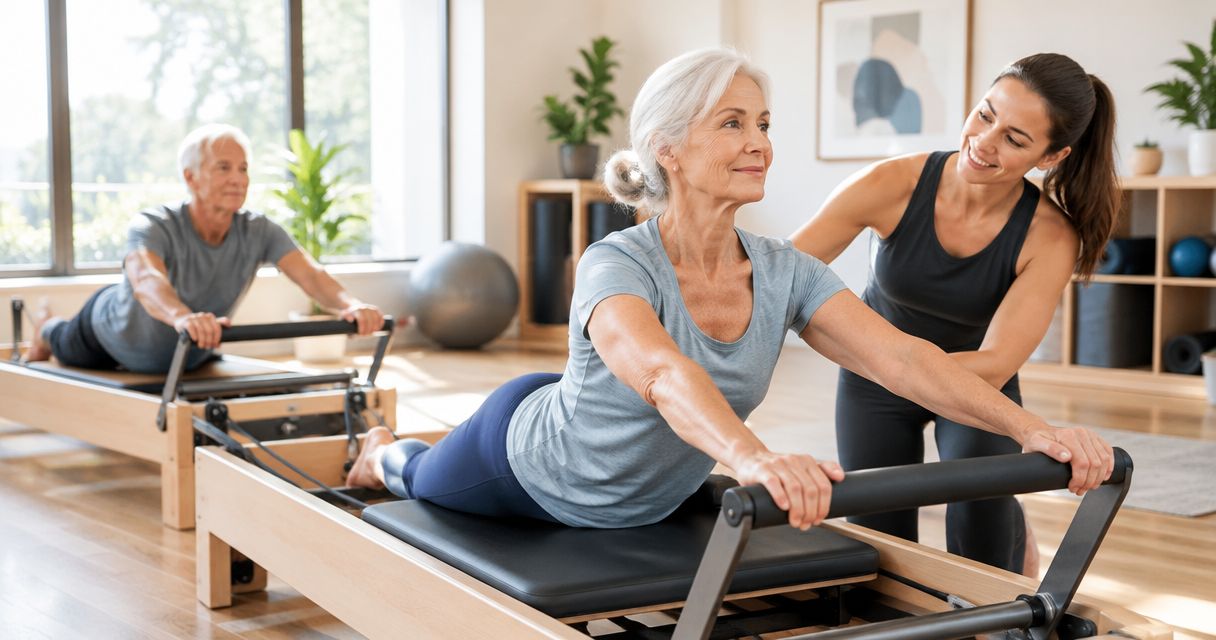
| Reformer Pilates | Parents interested in apparatus-based Pilates | Movement using a spring-resistance reformer | Equipment setup and unfamiliar movements require instruction |
Unified Hot Yoga offers all six formats, so choosing Vinyasa does not require dismissing the others. If your first choice does not fit, identify whether the issue was the movement style, the heat, the timing, or the particular session before deciding what to try next.
Common mistakes busy parents make
Booking around class time instead of childcare time
A class that ends before school pickup still needs a workable journey afterward. Include changing, travel, and the handoff in your calendar so you are not depending on everything running perfectly.
Assuming children can come along
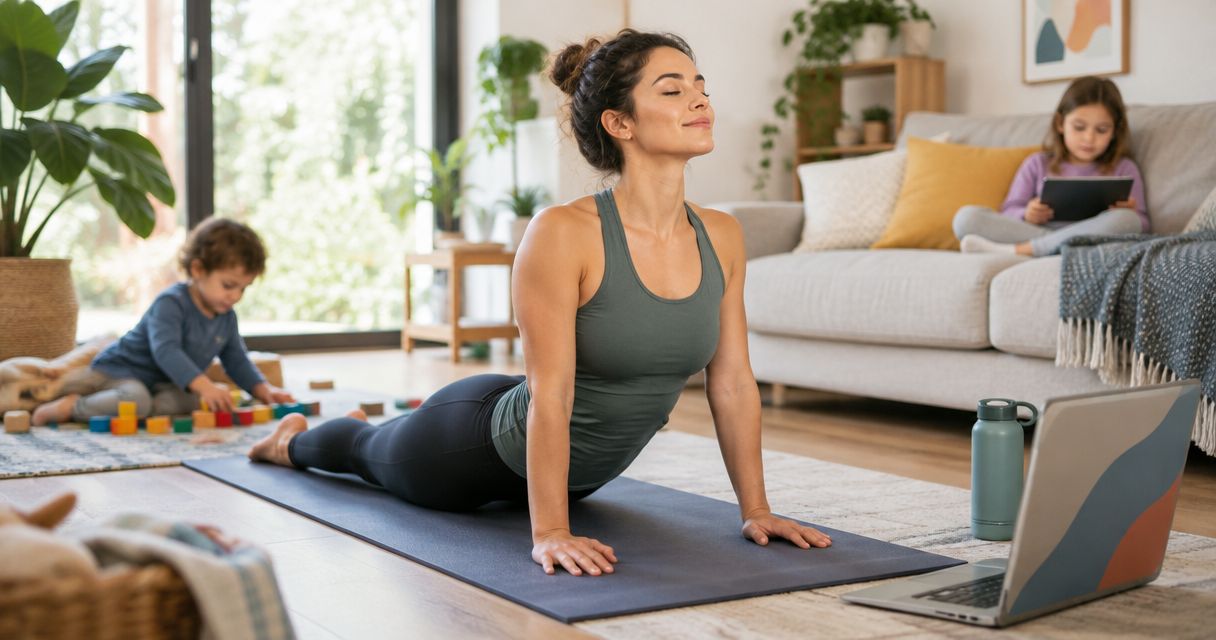
Do not build your attendance plan around childcare, a waiting area, or children being allowed in class unless the studio explicitly confirms the arrangement. Secure appropriate care before booking.
Using a missed class as a reason to overdo the next one
A disrupted week does not create an exercise debt. Return to a manageable session rather than treating extra intensity as repayment for a family obligation or illness.
Choosing a membership before testing the schedule
A membership cannot fix an unreliable time slot. For a 2026 decision, establish which sessions fit your actual household routine before comparing current membership terms.
Treating all tiredness as a motivation problem
A short night, illness, and difficulty tolerating heat call for a different response than simply forgetting your bag. Adjust or skip the session when you are unwell rather than using attendance as the only measure of consistency.
FAQ
Can busy parents start Vinyasa yoga without any experience?
Yes, beginners can start Vinyasa yoga by choosing an appropriate class and telling the instructor they are new. Ask about pace, modifications, and heat before booking, because sessions differ.
What should I bring to my first heated Vinyasa class?
Bring water, a towel, comfortable exercise clothing, and dry clothes for afterward. Confirm whether you need your own mat and check the studio’s current preparation instructions.
How often should a busy parent begin attending Vinyasa?
Start with an attendance plan you can reliably fit around childcare, work, and recovery. One class per week is a planning example, not a requirement or individualized exercise prescription.
Is Vinyasa better than Yin for busy parents?
Neither format is automatically better for busy parents. Vinyasa suits a preference for flowing movement, while Yin suits a preference for longer-held poses; timing, comfort, and instruction also matter.
Can I bring my children while I take class?
Ask the studio directly before making plans to bring children. Do not assume childcare, supervision, or permission for children to wait or join class.
Should I do heated Vinyasa while pregnant or newly postpartum?
Get individualized clinical guidance before attending heated Vinyasa during pregnancy or postpartum recovery. Pregnancy guidance advises avoiding hot yoga, and returning after birth requires attention to your recovery and medical advice.
How do I choose a yoga membership around an unpredictable schedule?
Choose using the sessions you can realistically attend and the current membership terms. Review booking, cancellation, and payment conditions before joining rather than planning around an ideal week.
One last thing
Put the childcare handoff in your calendar before you put the class there. It turns a general intention into an arrangement another person can understand and support.
For the rest of 2026, revisit that arrangement when school, work, or family responsibilities change. Keeping movement in your life does not require keeping the same class time forever.