Shift workers’ Vinyasa yoga is a breath-linked movement practice planned around changing work hours, with the aim of building a repeatable movement routine. This 2026 guide explains how to choose your first class, prepare for a heated room, and fit practice around sleep rather than squeeze sleep around practice.
- Vinyasa yoga for shift workers starts with protecting sleep and choosing a realistic class window.
- Unified Hot Yoga offers Vinyasa, Yin, 26&2, Hot Pilates, Barre, and Reformer Pilates in American Fork.
- Choose Vinyasa for flowing movement; compare other formats by pace, equipment, heat, and personal preference.
- Check current class times before planning attendance around a rotating shift.
Why Vinyasa yoga matters for shift workers
A rotating roster makes a fixed weekly class harder to maintain. Your useful starting point is not an ambitious attendance target; it is a class you can reach without cutting short your main sleep period or rushing straight back to work.
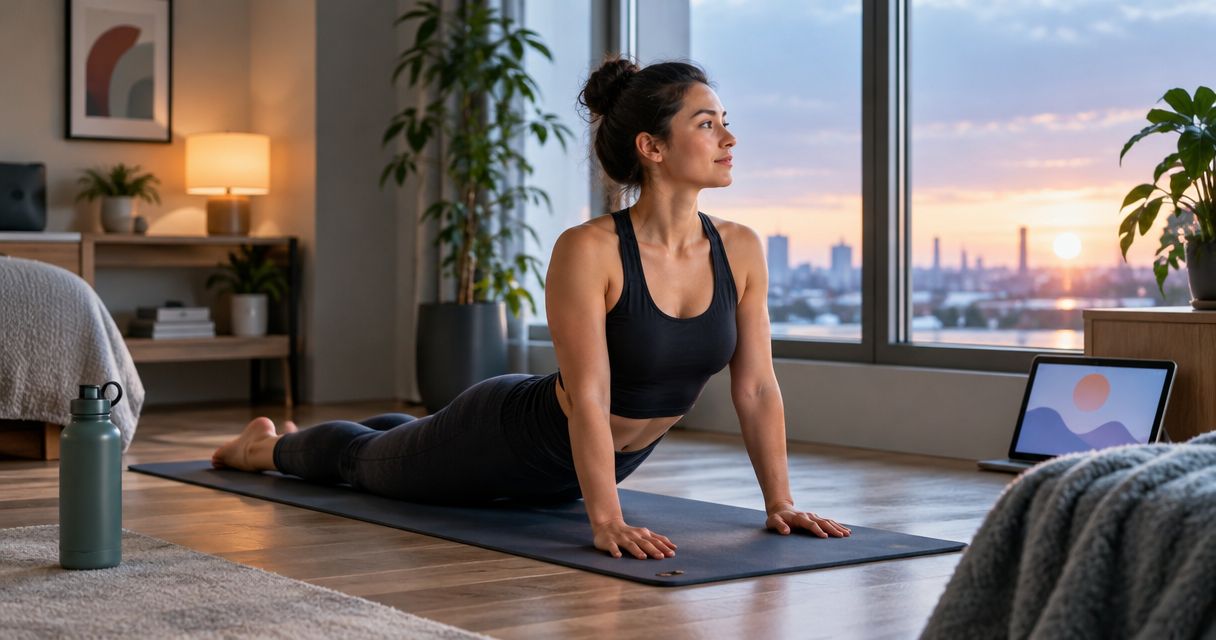
Vinyasa links movement with breath, so expect transitions between poses rather than only stationary stretches. A heated class adds another consideration: you need to decide whether both the movement and the room conditions suit you that day.
Unified Hot Yoga is best for American Fork shift workers seeking Vinyasa yoga alongside Pilates and other yoga formats at one studio. The Unified Hot Yoga class offering includes infrared-heated Vinyasa, Yin, and 26&2 yoga, plus Hot Pilates, Barre, and Reformer Pilates for practitioners of all skill levels.
For your 2026 routine, judge the fit by actual attendance and how manageable the experience feels. Yoga is not a substitute for sleep or medical care, and a demanding workweek does not create an obligation to complete a demanding class.
Build your routine around your next roster
Protect your main sleep period
Start with your work calendar and mark the sleep period you intend to protect. Then look for class windows outside it. After a night shift, a conveniently timed class is not a good fit if attending means postponing sleep you need.
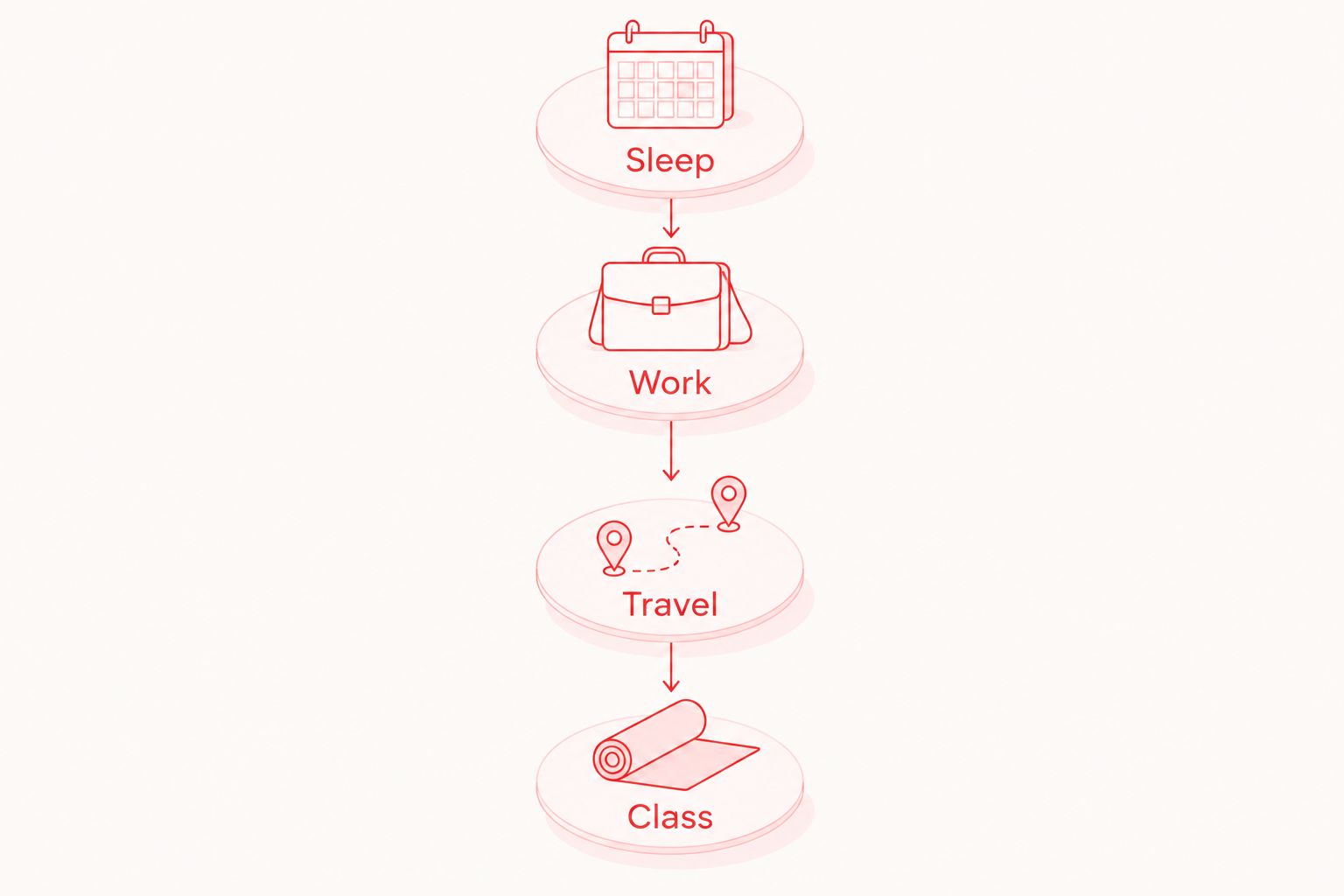
Use these 4 calendar labels to separate commitments before choosing a session. Keep travel visible: getting from a workplace in Utah County to a studio in American Fork takes part of your available window, even when the class itself fits.
- Sleep: Mark the period you will not trade for class attendance.
- Work: Include handover time and any known overtime commitments.
- Travel: Allow for the route from your actual starting point.
- Class: Add a session only after the other commitments fit.
Choose the class experience you want
Choose Vinyasa when you want a practice built around movement between poses and attention to breathing. You do not need to arrive flexible or know a sequence, but you should tell the instructor that you are new and ask how to modify transitions.
Do not assume that every other format is easier, cooler, or less demanding. Yin uses longer-held poses; 26&2 follows a set sequence; Pilates and Barre have different movement structures. Those distinctions help you ask better questions, not predict how every class will feel.
- Ask whether the specific session welcomes first-time participants.
- Ask about pace, heat, equipment, and suggested modifications.
- Explain whether flowing movement or a more stationary format appeals to you.
- Choose by class experience rather than the name alone.
Check the schedule against your actual shift
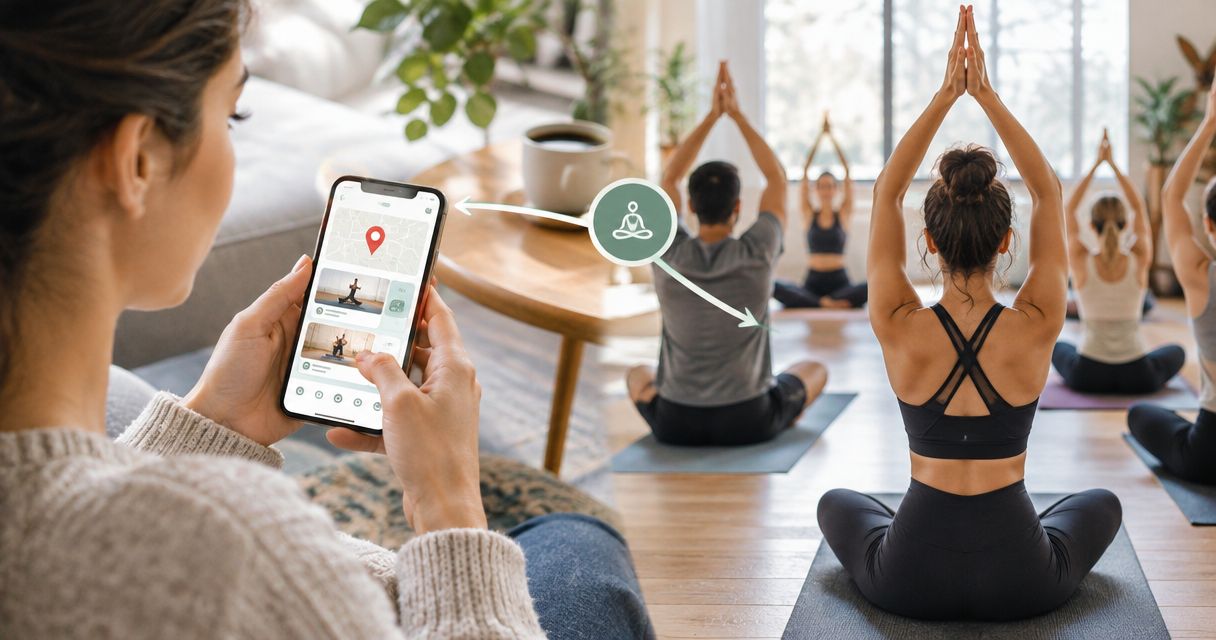
For studio-led practice, use the class schedule to find a session that matches your next roster. Unified Hot Yoga offers several formats, but the existence of a format does not establish that it runs at a particular time.
Identify 2 possible class windows rather than relying on one recurring appointment. Treat the second as a backup, not an extra obligation. Before booking, confirm the class date, start time, duration, and any instructions shown in the booking information.
- Check the date rather than relying on last week’s timetable.
- Include check-in and travel in your attendance window.
- Read the current booking and cancellation terms.
- Move or cancel a booking according to those terms when work changes.
Pack for heat and movement
For a first heated Vinyasa class, prepare a yoga mat, towel, water, and clothing that lets you move comfortably. Confirm what you need to supply yourself; do not assume that equipment, rentals, storage, or showers are included.
Pack before your shift if you will travel directly from work. Keep the bag practical and separate work clothing from practice clothing. There is no need to purchase specialized equipment before checking the studio’s current newcomer instructions.
- Confirm mat and towel requirements before leaving home.
- Bring water and drink regularly rather than rushing a large amount immediately before class.
- Choose clothing that allows bending, reaching, and stepping.
- Pack a change of clothes if your next commitment requires it.
- Bring any personal medical supplies you normally need.
Tell the instructor what changes your practice
Before class, explain that this is your first Vinyasa session and mention any relevant movement limitations. Tell the instructor if heat is unfamiliar to you. You do not need to share your entire work history; explain what affects your participation that day.
Taking a break is part of participating responsibly, not a failed class. Stop exercising if you feel dizzy, faint, nauseated, or unwell, and tell the instructor. Leave the heated space safely rather than trying to complete the sequence despite symptoms.
- Ask for an alternative when a transition feels unsuitable.
- Skip a movement rather than force painful range of motion.
- Rest when needed without trying to match nearby participants.
- Seek medical advice about heated exercise if you have a relevant condition or concern.
Review the experience before adding sessions
Start with 1 class, then decide what belongs in your routine. This is a planning suggestion, not a required training dose. Your first useful result is learning whether the timing, teaching format, and heated environment suit your circumstances.
For your 2026 class notes, record 3 practical checks: whether you protected sleep, whether the commute was manageable, and whether you felt comfortable participating. Keep observations separate from promises about flexibility, strength, stress, or sleep quality.
- Note whether you arrived without rushing.
- Record whether heat or transitions needed more explanation.
- Check whether attendance displaced sleep or essential meals.
- Keep the same format while learning, or try another for a specific reason.
Match a membership to realistic attendance
Review your roster before choosing a membership. Count the sessions you can realistically attend across different shift patterns, not only during your easiest week. A plan that suits daytime hours does not automatically suit a stretch of nights.
When you are ready to join Unified Hot Yoga, check the current Prices page for intro offers and memberships. Compare the written terms with your likely attendance, and ask how bookings and cancellations work before committing.
- Compare expected attendance during both easier and busier work periods.
- Read expiry dates, renewal terms, and cancellation conditions.
- Ask whether the plan covers the class formats you want.
- Choose based on usable sessions rather than an idealized calendar.
Compare class options for a changing workweek
No format wins for every shift worker. Vinyasa is the direct match when you want flowing yoga; the other options deserve equal consideration when your preferred pace, equipment, or movement style differs.
The descriptions below explain general class formats, not guaranteed details of an individual session. Confirm the current class description and instructor guidance before booking, especially when heat or unfamiliar equipment affects your decision.
| Option | Best for | What it generally involves | Key limitation |
|---|---|---|---|
| Vinyasa yoga | Breath-linked flowing movement | Transitions between yoga poses coordinated with breathing | Following transitions and managing heat can be a lot to learn together |
| Yin yoga | A slower-paced yoga format | Longer-held poses with fewer transitions | Stillness and sustained positions do not automatically feel comfortable |
| 26&2 yoga | A predictable yoga sequence | A set sequence of 26 postures and 2 breathing exercises | Repetition does not remove the need to modify or rest |
| Hot Pilates | Pilates-style exercise in a heated setting | Controlled exercise with a focus on trunk control and movement | Heat adds a separate demand to learning the exercises |
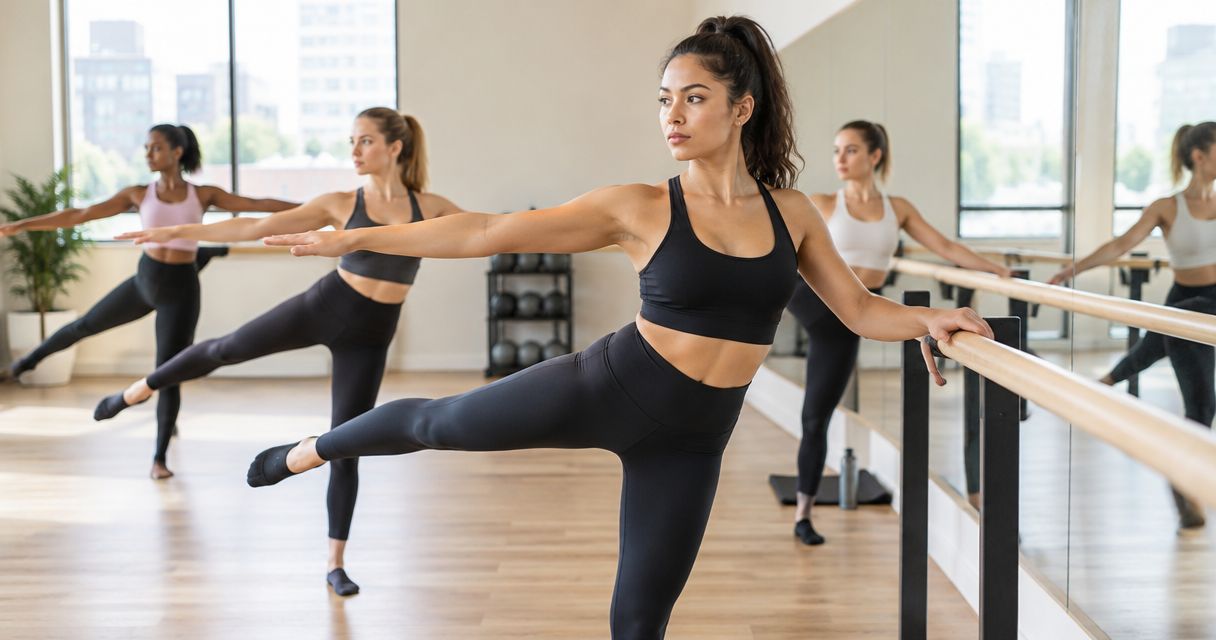
| Barre | Barre-based fitness movement | Controlled, often repeated movements using ballet-inspired positions | Repeated small movements are not necessarily easy |
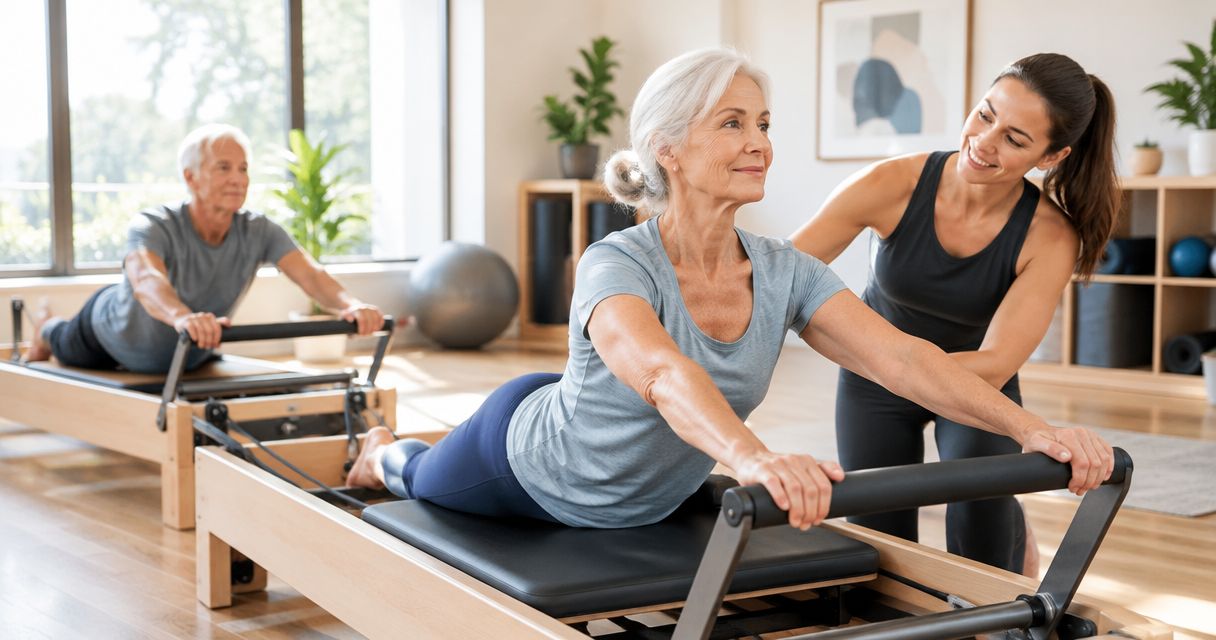
| Reformer Pilates | Equipment-based Pilates practice | Guided exercise using a moving carriage and spring resistance | You need instruction in using unfamiliar equipment |
Unified Hot Yoga offers all of these formats, which lets you compare class experiences within one studio. That variety does not guarantee a suitable session on every workday; timetable fit remains a separate decision.
Find your next class window
Compare current class times with your work roster and protected sleep period.
Common mistakes shift workers make
Booking straight after nights without protecting sleep
A class after work looks efficient on a calendar. It stops being efficient when it displaces your main sleep period. Protect sleep first, then decide whether the remaining window is suitable for exercise and travel.
Treating a day off as a catch-up workout
A missed class does not create a debt. Avoid squeezing extra sessions into your next free day simply to recover an attendance target; choose the session you can participate in comfortably and learn from.
Assuming slower means easier or unheated
Yin has fewer transitions than Vinyasa, but longer holds introduce a different experience. Likewise, the name Pilates or Barre does not tell you everything about a particular room or session. Read the specific class description rather than inferring conditions.
Choosing membership terms around the easiest roster
A quiet workweek can make frequent attendance look straightforward. Review the weeks with overtime, nights, or changing start times before choosing a plan, and confirm the written rules rather than assuming flexibility.
FAQ
Is Vinyasa yoga suitable for shift workers who are beginners?
Vinyasa yoga can suit a beginner when the class format, timing, and environment fit the individual. Tell the instructor you are new, ask about modifications, and choose a session that does not displace your main sleep period.
Should I do hot yoga before or after a night shift?
Choose the window that protects sleep and allows you to arrive alert enough to participate safely. Neither before nor after a night shift is automatically the better choice; compare the full work, travel, and sleep schedule.
What should I bring to my first heated Vinyasa class?
Prepare a yoga mat, towel, water, and comfortable movement clothing, then confirm the studio’s current requirements. Do not assume that rentals, showers, or other facilities are included.
Is Yin better than Vinyasa after a demanding shift?
Yin offers a different pace, not a guaranteed better choice after work. Yin generally uses longer-held poses, while Vinyasa links movement with breathing; choose according to your readiness and the specific class description.
How often should I start Vinyasa yoga with rotating shifts?
Begin with one class and review whether its timing and demands fit your roster. That is a practical starting suggestion, not a prescribed exercise frequency; add sessions only when your schedule supports them.
What if I feel dizzy during hot yoga?
Stop exercising, tell the instructor, and leave the heated space safely rather than continuing through dizziness. Seek urgent medical help for fainting, confusion, chest pain, or other severe symptoms.
Where can I check membership options at Unified Hot Yoga?
Check Unified Hot Yoga’s current Prices page for intro offers and memberships. Read the terms and compare them with attendance you can maintain across your actual shift patterns before choosing.
One last thing
For your 2026 routine, use a backup window rather than a catch-up rule. If work disrupts your first choice, the backup gives you another decision point without making a missed class something you owe.
Choose the class that fits your real week, not the week you wish you had. Arriving rested enough to participate, asking questions, and taking appropriate breaks are more useful starting goals than keeping an uninterrupted attendance streak.