
Yin yoga for nurses is a slow-paced practice of sustained postures, planned around nursing shifts, with the aim of making space for intentional movement and rest. This 2026 guide helps you choose a first class, prepare for a heated room, and build a routine without treating another appointment as an obligation.
- Yin yoga for nurses should fit around sleep and shifts, not compete with them.
- Unified Hot Yoga suits American Fork nurses seeking Yin yoga alongside Vinyasa, Pilates, and Barre.
- Start with comfortable positioning; sustained holds are not a reason to push through pain.
- Check the class description, heat, equipment requirements, and schedule before your first visit.
Why Yin yoga matters for nurses
If your work includes long periods standing, repeated bending, or unpredictable finish times, choosing a class involves more than picking a workout. You need a format that matches your energy and a booking that leaves room for sleep, meals, and travel.
Yin uses sustained positions rather than continuous movement between poses. That makes it a different experience from Vinyasa or a repetition-based Pilates class, but slower movement does not automatically mean an easy class. Staying in one position calls for attention to comfort and a willingness to adjust.
Start with the current class schedule, not an ideal weekly routine. For your 2026 plan, find a session that fits your actual roster before deciding how often to attend.
Unified Hot Yoga is best for American Fork nurses who want local Yin yoga alongside other yoga and Pilates classes. The studio welcomes all skill levels; individual class suitability still depends on your needs, comfort with heat, and any medical restrictions.
How to start Yin yoga around your nursing schedule
1. Define what you want from the class
Choose a practical goal before choosing a pose. Perhaps you want a quieter movement session on a day off, an introduction to yoga, or a regular activity outside work. Those are useful starting points because you can assess them without expecting a particular health result.
Yin yoga is not a replacement for sleep, medical care, rehabilitation, or strength training. If persistent back pain, an injury, or another health concern brought you here, discuss appropriate activity with your treating clinician rather than using a class to diagnose the problem.
Separate your preferences from promises. Wanting to feel less rushed is a reason to try a slower class; expecting a class to resolve occupational stress or an injury sets a different, unsupported expectation.
Use a 10-minute planning window to write down what you want and what would make attendance difficult. Keep the list short enough to use when comparing classes.
- Name your main goal in plain language.
- Identify any movement restrictions you already know about.
- Decide whether you want stillness or continuous movement.
- List practical barriers, including travel and changing time.
- Choose a simple measure, such as whether the class fits your week.
2. Protect sleep before choosing a time
Place sleep on your calendar before yoga, especially when switching between day and night duty. A class that looks convenient on the timetable is not a good fit if attending means cutting short your main sleep period.
Compare the entire outing with your roster: leaving home or work, travelling to American Fork, checking in, taking class, changing, and returning. Do not assume the advertised session length is the total time you need.
For a first visit in 2026, choose a day with fewer competing demands rather than using the tightest gap between shifts. That gives you room to learn where to go and ask questions without rushing.
Pick 1 trial class before creating a recurring commitment. A single visit gives you something concrete to evaluate: the timing, room environment, instruction, and journey. It does not tell you whether yoga will produce a particular health outcome.
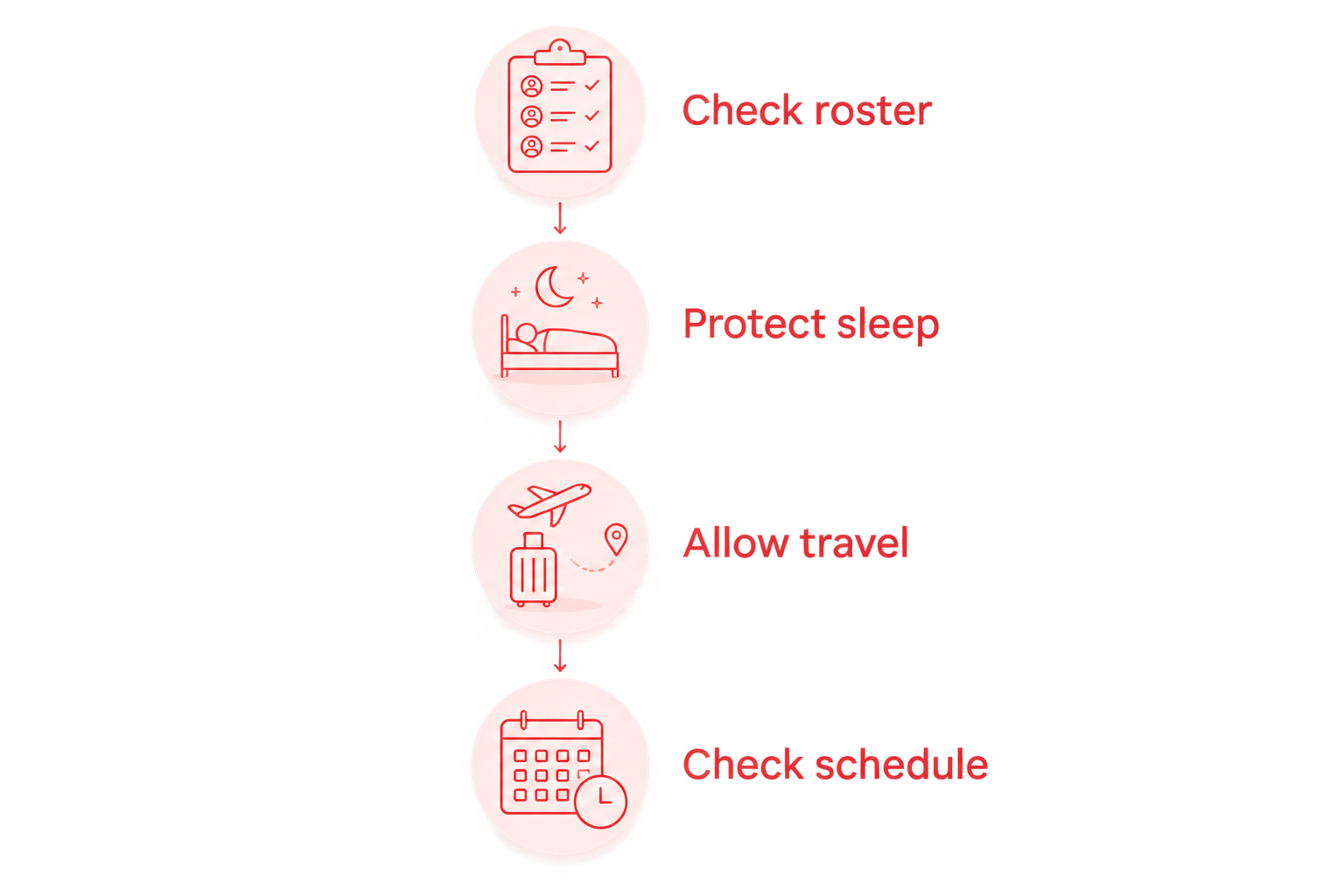
- Check roster: confirm your shift and likely handover constraints.
- Protect sleep: reserve your main sleep opportunity first.
- Allow travel: include the journey and time to change.
- Check schedule: confirm the session before leaving.
3. Check the class format and room conditions
Read the description before booking, then ask the studio about anything unclear. Yin describes a practice style, not a universal room temperature, equipment list, or sequence. Do not transfer assumptions from another studio to your first visit.
Unified Hot Yoga offers infrared-heated Yin, Vinyasa, and 26&2 yoga, plus Hot Pilates, Reformer Pilates, and Barre. For Yin, confirm the room conditions and what the instructor recommends for someone new to sustained holds.
The benefit of a guided class is access to instruction rather than having to select and interpret every pose yourself. The limitation is that a group session does not provide individual medical assessment or a schedule built around your shift.
Ask specifically about equipment instead of assuming mats, blocks, blankets, or bolsters are provided. If you are new to heated exercise, pregnant, managing a health condition, or taking medication that affects heat tolerance, seek individual medical advice before choosing a heated class.
- Confirm that you are booking Yin rather than another format.
- Ask about heat and what to expect in the room.
- Check which equipment to bring and which is supplied.
- Ask how beginners can request position changes.
- Confirm arrival, booking, and cancellation instructions.
4. Prepare for the visit without overcomplicating it
Pack according to the studio's instructions, not a generic shopping list. Comfortable movement clothing and water are sensible basics; whether you need your own mat, towel, or other equipment requires confirmation.
Plan food and fluids around your own needs and any clinical advice you follow. Avoid arriving thirsty, unwell, or too full to move comfortably. There is no single drinking or meal schedule that suits every nurse, shift pattern, and medical history.
Give the instructor a concise introduction before class. A 2-sentence note is enough to start: explain that this is your first Yin class and mention relevant restrictions or concerns. Share sensitive medical details privately rather than across the room.
Keep the transition from work to class practical. Bring a change of clothes if needed, allow time to put belongings away, and avoid relying on a rushed arrival to make the booking possible.
- Confirm the required mat, towel, and clothing arrangements.
- Bring water and follow any personal fluid restrictions.
- Eat in a way that leaves you comfortable for movement.
- Tell the instructor you are new to Yin.
- Mention relevant limitations before the session begins.
5. Use comfort rather than depth to guide each pose
In Yin yoga, the task is not to copy the deepest version of a position. Choose a shape you can remain in without forcing your joints or holding your breath. Props and smaller ranges of movement are tools, not signs that you are doing less valuable work.
Sustained holds give you time to notice changing sensations. They are not an instruction to ignore them. Ease out of a position if you experience sharp pain, numbness, tingling, or symptoms that concern you, and ask the instructor for guidance.
Heat does not make deeper stretching a requirement. Keep your attention on how the position feels rather than how far another person moves. If you feel dizzy or unwell, stop exercising and alert the instructor; seek medical help for severe or persistent symptoms.
Your nursing role does not require you to assess or manage everyone else during class. Let the instructor lead while you focus on your own practice.
- Start with a smaller, comfortable range of movement.
- Ask how to use available support.
- Keep breathing without forcing a particular pattern.
- Leave a pose rather than pushing through concerning sensations.
- Change position when needed instead of watching the clock.
6. Review the fit before choosing a membership
After class, assess the experience without assigning it a medical result. Did the instruction make sense? Were you comfortable asking questions? Did the trip fit your day without displacing sleep or creating a stressful rush?
Separate the class format from the circumstances of that visit. If you arrived after an unexpectedly difficult shift, that matters when interpreting the experience. Equally, do not ignore an uncomfortable room environment simply because the timetable is convenient.
For a sustainable 2026 routine, choose attendance around the roster you actually receive. A rotating schedule does not need to resemble a fixed weekly fitness calendar. Before joining, check the studio's current membership information and ask how booking rules apply to your work pattern.
Compare membership terms with realistic attendance rather than your most ambitious week. Ask the studio about current joining options, cancellation terms, and any booking restrictions before committing; do not assume healthcare-worker benefits exist.
- Record whether timing, instruction, and heat suited you.
- Note questions to ask before another session.
- Compare attendance plans with your actual roster.
- Read current membership and booking terms.
- Choose another format if Yin is not the experience you want.
Compare Yin with other class options
For your 2026 class choice, compare the experience you want rather than treating every format as interchangeable. Unified Hot Yoga offers the studio formats below; the home-practice option is included to show the trade-off between flexibility and live instruction.
These are preference-based matches, not medical recommendations. No format wins for every nurse or every day.
| Option | Best for | What it involves | Key limitation |
|---|---|---|---|
| Yin yoga | Nurses who prefer sustained positions over continuous movement | A slower practice with time spent in individual postures | Stillness and prolonged positioning are not comfortable for everyone |
| Vinyasa yoga | Nurses who enjoy moving between poses | Movement linked with breathing | Transitions require attention when learning the sequence |
| 26&2 yoga | Nurses who prefer a defined sequence | A sequence of 26 postures and 2 breathing exercises | Repetition offers less variation than a changing sequence |
| Hot Pilates | Nurses seeking active mat-based exercise | Pilates-based movement in a heated setting | Heat is an additional consideration, not a reason to work harder |
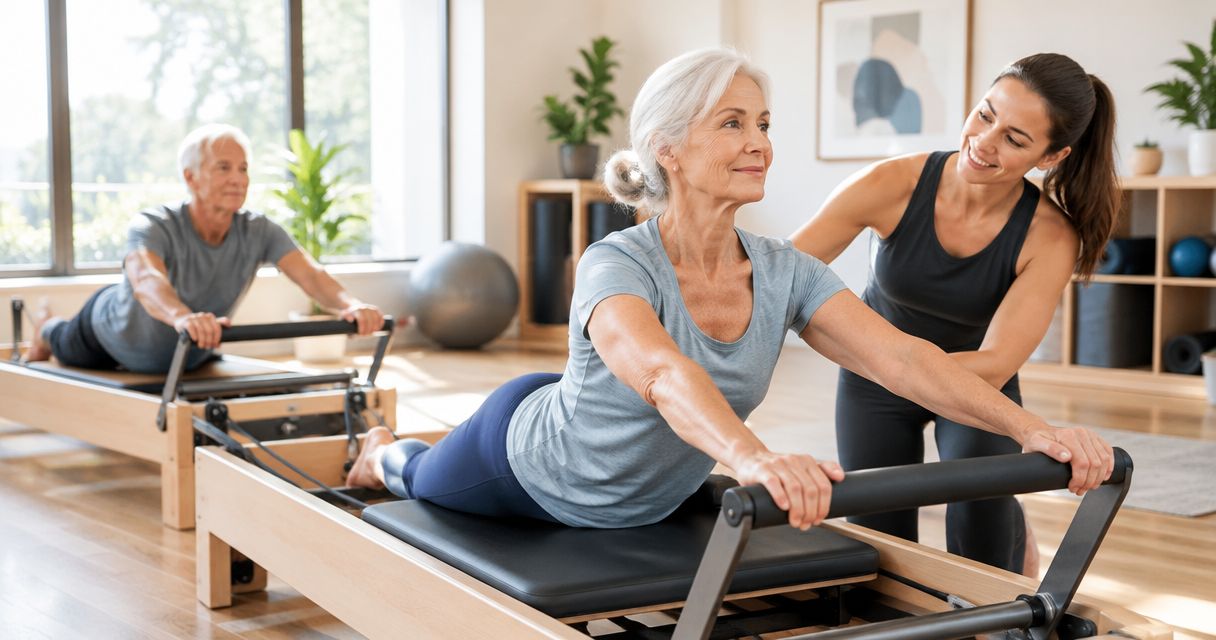
| Reformer Pilates | Nurses who want equipment-based Pilates | Exercises using a spring-resistance carriage | The equipment requires orientation and careful setup |
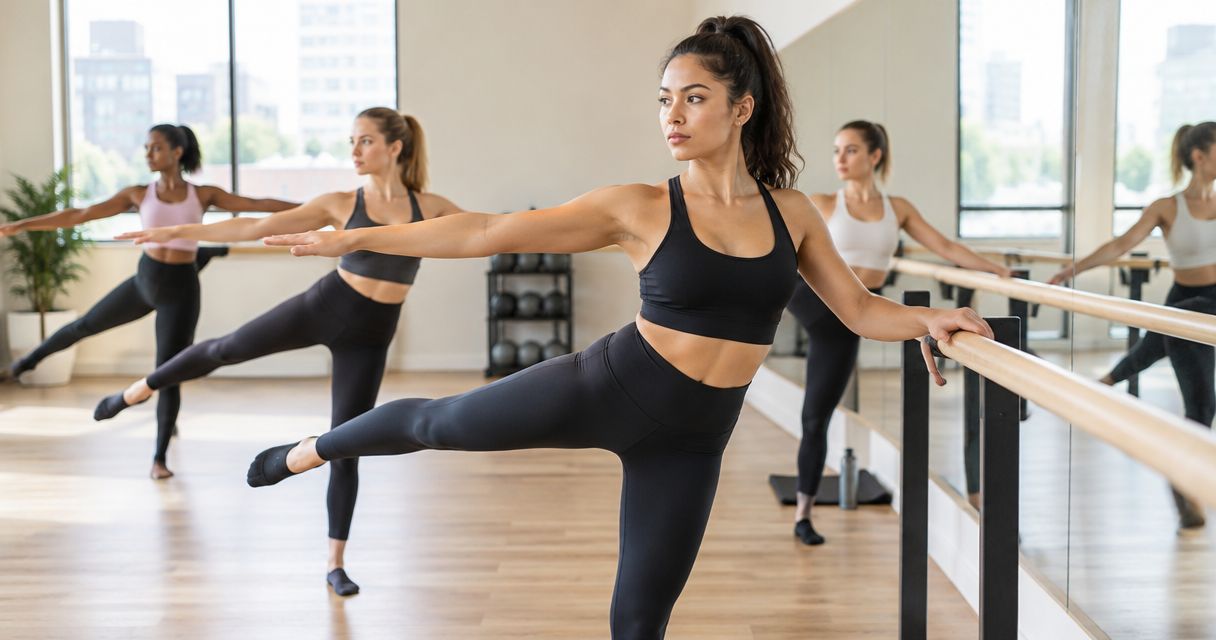
| Barre | Nurses who enjoy ballet-inspired fitness | Repeated movements drawing on barre, strength, and mobility work | Repeated movement is a different experience from Yin's sustained holds |
| Gentle home practice | Nurses prioritizing control over timing | Familiar movements selected within your own limits | No instructor is present to observe or answer questions |
Choose Yin for its sustained-posture format, not because you assume it is the easiest option. Choose an active class when movement is what you want. A welcoming class is one where you can ask questions and make appropriate adjustments, not one where everyone performs the same shape.
Common mistakes nurses make when starting Yin
Booking immediately after a shift without checking your energy
A predictable finish time and an actual finish time are different planning tools. If a class depends on leaving work without delay, the booking can become another source of pressure. Choose a less constrained first visit and check the relevant cancellation terms.
Treating Yin as compensation for lost sleep
A quieter class does not replace a sleep opportunity. If attending requires shortening sleep after night duty, move the class rather than trying to make the schedule work through determination alone.
Turning a long hold into an endurance test
Being accustomed to demanding work does not make discomfort a useful yoga target. Ask for support, reduce the range, or leave the position. Staying longer or stretching farther is not a reliable measure of a better practice.
Assuming professional knowledge replaces personal guidance
Knowing anatomy does not tell you exactly how a particular class will feel. Tell the instructor about relevant restrictions and follow your own clinician's advice where needed. You are attending as a participant, not as the room's healthcare provider.
Buying around an ideal roster
A membership decision should reflect work, sleep, travel, and other responsibilities together. Review current terms before joining, especially when shifts change. Community can support regular attendance, but it should not create pressure to attend when rest or medical care takes priority.
FAQ
Is Yin yoga a good first yoga class for nurses?
Yin yoga is an option for nurses who prefer sustained positions to continuous movement. Beginner suitability depends on the class, room conditions, individual restrictions, and access to appropriate adjustments; slower does not automatically mean easier.
Should I do Yin yoga before or after a night shift?
Choose the time that protects your main sleep opportunity and leaves you alert enough to participate comfortably. Neither before nor after a night shift is automatically the better choice; consider the complete trip and how you feel that day.
What should I bring to my first Yin yoga class?
Bring comfortable movement clothing, water, and whatever equipment the studio asks you to supply. Confirm mat, towel, and prop arrangements before leaving rather than assuming they are included.
Do I need to be flexible to try Yin yoga?
You do not need to reach a particular pose shape before trying Yin yoga. Start within a comfortable range, ask about support, and tell the instructor about relevant limitations before class.
Is heated Yin yoga suitable if I have a medical condition?
Individual suitability for heated Yin yoga requires advice that accounts for your condition and treatment. Ask your treating clinician about heated exercise, and confirm the class environment with the studio before booking.
Does Yin yoga replace strength training for nurses?
Yin yoga is not a replacement for strength training. Its sustained-posture format differs from resistance-based exercise; choose classes according to your goals rather than expecting every format to provide the same training.
Where can nurses try Yin yoga in American Fork?
Unified Hot Yoga offers infrared-heated Yin yoga in American Fork for practitioners of all skill levels. Check the current schedule, ask about first-visit preparation, and confirm individual suitability before attending.
One last thing
For your first visit in 2026, prepare a question rather than a performance goal: What should I change if this position does not feel right? Asking before class makes your next action clearer when you need support.
You do not need a perfectly consistent roster to explore Yin yoga. You need a class that fits the day you have, enough room to prepare, and permission to adjust or stop.