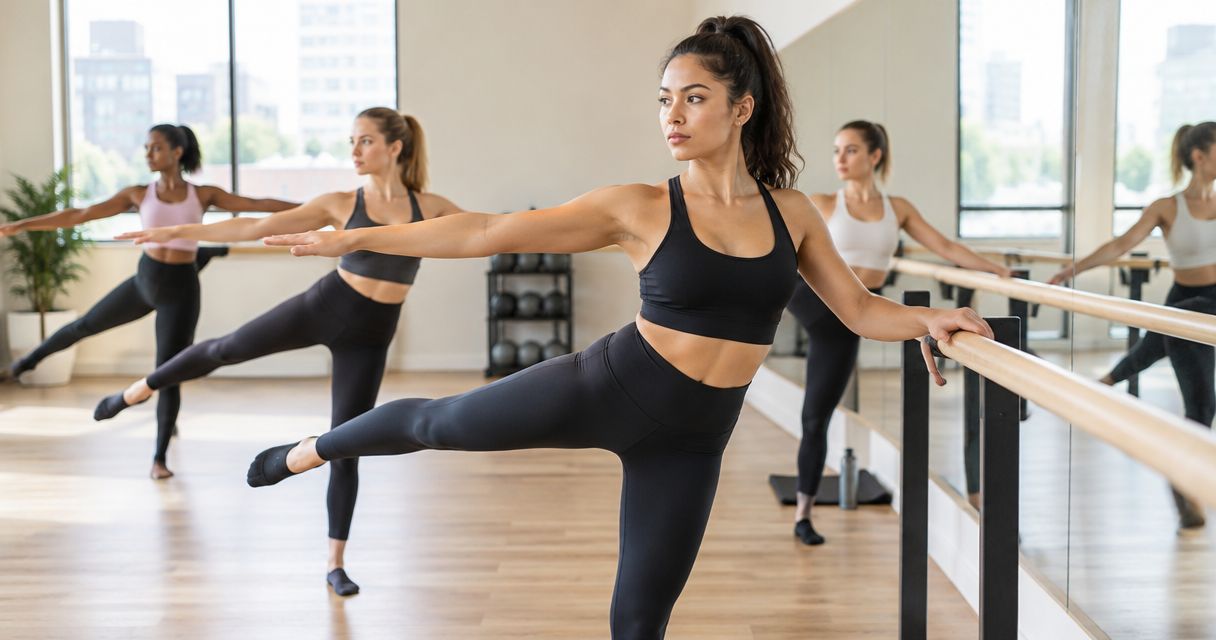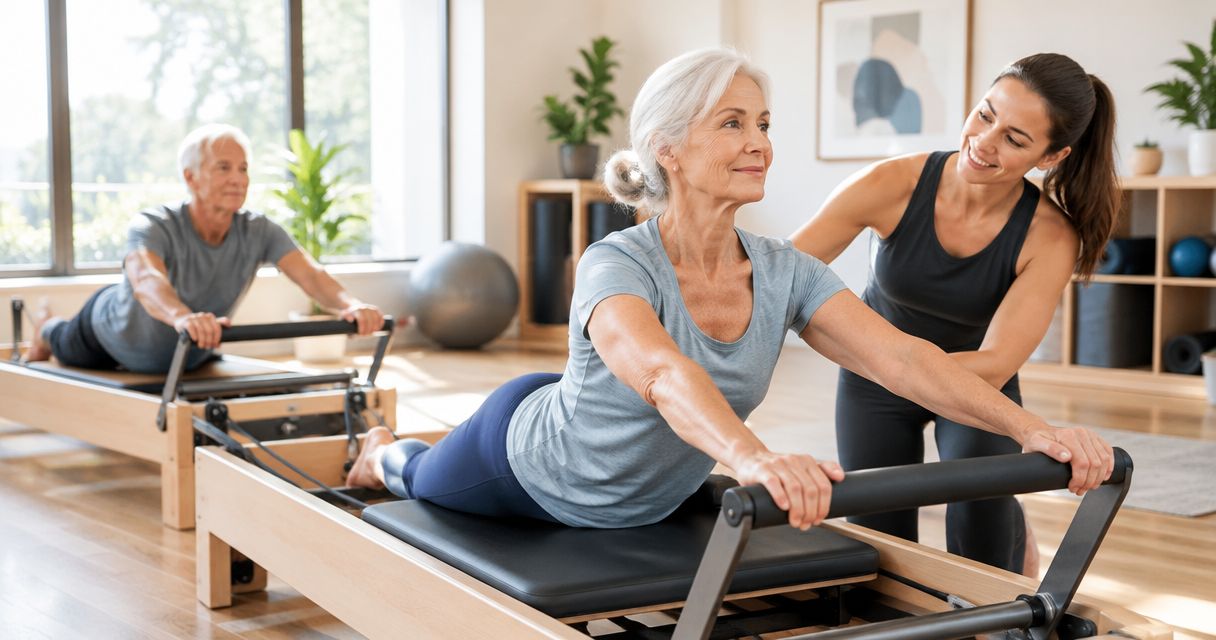
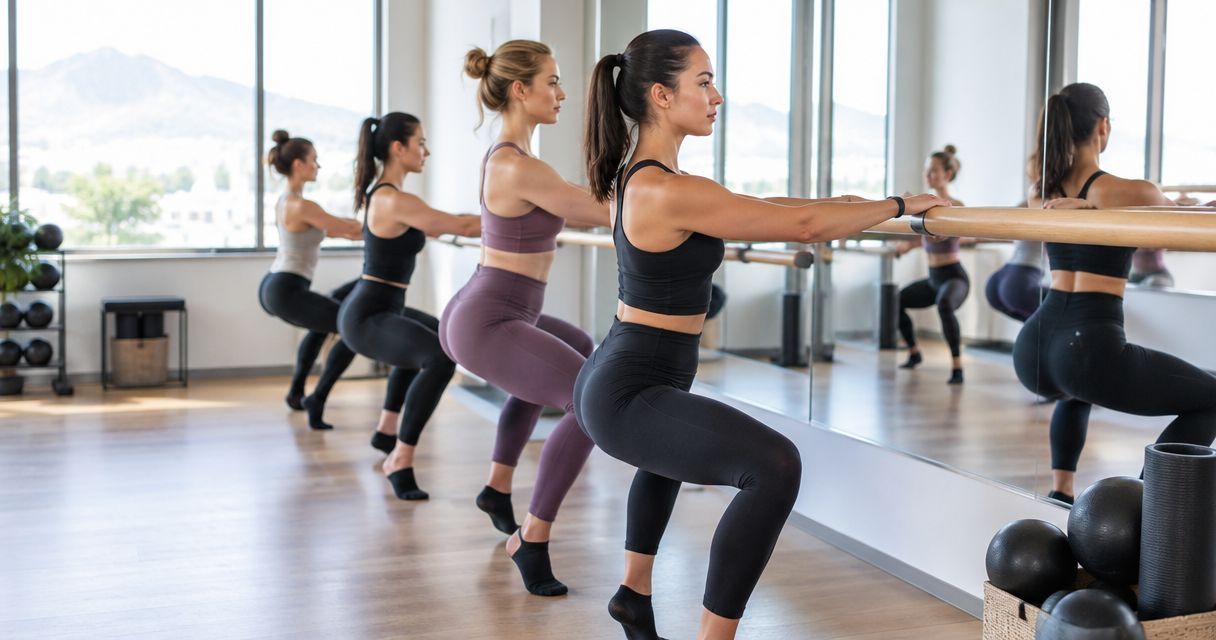
Best starting point: fundamentals-style barre. Best all-around option: traditional barre. Best for added resistance: resistance-focused barre. Best for sustained movement: cardio-barre. This 2026 guide explains barre classes ranked by intensity so you can compare Utah County class descriptions without treating every studio’s labels as equivalent.
- For barre classes ranked by intensity, compare pace, resistance, recovery, coordination, and heat separately.
- Fundamentals-style barre is the first option to consider when you want time to learn positions.
- Traditional barre balances small movements, holds, and repeated exercises; low impact does not mean low effort.
- Unified Hot Yoga offers Barre in American Fork alongside yoga and Pilates for practitioners of all skill levels.
- Treat these as class profiles, not verified intensity ratings for individual Utah County studios.
Why this matters
A barre class can challenge your legs without jumping, leave you learning unfamiliar positions without moving quickly, or combine faster transitions with sustained effort. Those are different demands. The hardest-looking option is not automatically the best first class.
Unified Hot Yoga is an American Fork option for people choosing between Barre, yoga, and Pilates in one studio. Its stated class range includes Vinyasa, Yin, 26&2, Hot Pilates, and Reformer Pilates, so your decision does not have to start with a commitment to barre alone.
Unified Hot Yoga is a fit for American Fork beginners who want Barre alongside yoga and Pilates options. For a first visit in 2026, choose the movement style you want to learn, then confirm how the particular class is taught.
What makes the best barre class for your intensity level?
Use these 5 criteria before comparing class names:
- Pace: How quickly do exercises and transitions follow each other? A slower pace gives you more time to process instructions.
- Resistance: Does the class use body weight, handheld weights, bands, or another source of resistance? Equipment changes the task, but equipment alone does not establish difficulty.
- Recovery: Are there opportunities to reset between exercise sequences? Continuous work and frequent resets create different experiences.
- Coordination: Does the class introduce positions separately or combine movements? Unfamiliar choreography adds a learning demand even when the physical effort feels manageable.
- Heat: Is the room heated? Treat temperature as a separate consideration rather than assuming every barre class uses the studio’s yoga-room conditions.
Your best match balances challenge with the ability to follow instructions. You should understand what you are trying to do before increasing the demand.
Barre classes ranked by intensity: at a glance
The 4 class profiles below run from a learning-first starting point toward a faster-moving option. They describe common programming approaches, not standardized class names or confirmed offerings at a particular Utah County studio. Actual effort depends on the session and the choices you make within it.
| Class profile | Best for | Standout characteristic | Intensity emphasis | Key limitation |
|---|---|---|---|---|
| Fundamentals-style barre | Learning positions and cues | Time devoted to setup and instruction | Coordination before added challenge | A beginner label does not guarantee an easy workout |
| Traditional barre | A balanced barre introduction | Small movements, holds, and repeated exercises | Local muscular effort and control | Slow movement can still feel demanding |
| Resistance-focused barre | Prioritizing resistance work | Exercises organized around added resistance | Maintaining control against resistance | More resistance is not useful when technique changes |
| Cardio-barre | Prioritizing sustained movement | Faster transitions or connected sequences | Keeping moving while following cues | Less processing time for unfamiliar movements |
Heat is not a fifth rung on this ladder. A heated room adds a separate demand; it does not tell you whether the choreography is simple, the resistance is greater, or the class includes jumping.
1. Fundamentals-style barre: best for learning positions
Fundamentals-style barre puts instruction first. Look for a description that emphasizes setup, basic movements, and explanations rather than assuming the word beginner tells you everything.
This is the first profile to consider if you have never taken barre or want to revisit technique. You can focus on understanding a movement instead of trying to follow unfamiliar combinations at speed.
Fundamentals-style barre pros:
- Prioritizes learning positions and following cues.
- Gives you a clear reason to ask about modifications.
- Separates understanding an exercise from making it harder.
Fundamentals-style barre cons:
- An introductory class can still involve demanding holds or repetitions.
- A teaching-focused pace will not suit someone seeking continuous movement.
Best for: Newcomers who want instruction to be the main priority.
Before booking, ask whether the class explicitly teaches foundations or simply welcomes beginners into a mixed-level session. Both approaches can be welcoming, but they are not the same experience.
Verdict: Buy into the learning-first approach; choose fundamentals when understanding the movements is your priority.
2. Traditional barre: best for an all-around introduction
Traditional barre generally combines ballet-inspired positions with repeated strength-oriented movements and holds. Exercises often use a barre for support, but the exact sequence and equipment differ by instructor and studio.
This is the default profile for someone who wants to experience barre rather than emphasize a particular training feature. Expect the challenge to involve control and repeated effort, not simply moving across the room.
Traditional barre pros:
- Introduces the small movements and holds associated with barre.
- Offers a useful reference point for comparing other barre formats.
- Does not require fast choreography to create physical effort.
Traditional barre cons:
- Small movements are not automatically comfortable or simple.
- Repeated work in one area can feel demanding despite a measured pace.
Best for: Readers who want a balanced introduction to barre’s movement style.
Ask how the instructor presents easier and harder variations. That answer is more useful than a general promise that a class suits everyone, especially when you are learning how your body responds.
Verdict: Buy into traditional barre as the default if you want the clearest introduction to the format.
3. Resistance-focused barre: best for emphasizing resistance work
Resistance-focused barre makes added resistance a central part of the session. A class description might mention weights or bands, but confirm the actual equipment and how it is used rather than judging difficulty from the equipment list.
Resistance is only one part of intensity. Movement range, exercise selection, and time spent working also affect the experience, so a heavier implement is not a reliable shortcut to a better class.
Resistance-focused barre pros:
- Makes resistance work an explicit selection criterion.
- Gives you a reason to discuss equipment choices before starting.
- Suits readers more interested in controlled effort than faster choreography.
Resistance-focused barre cons:
- Added resistance can make an unfamiliar position harder to manage.
- Equipment names do not reveal how demanding the whole class will be.
Best for: People who want resistance work to shape their barre session.
Ask whether you can learn an exercise without added resistance before progressing. Keep the movement recognizable: if increasing resistance changes your position or prevents you from following the cue, reduce the demand.
Verdict: Hold added resistance until you can follow the movement with control; choose this profile when resistance is your clear priority.
4. Cardio-barre: best for sustained movement
Cardio-barre emphasizes keeping you moving through faster transitions or connected exercise sequences. The label does not establish whether jumping is included, so ask about impact separately.
This profile belongs later in a newcomer’s decision process because keeping up and learning positions can compete for attention. Someone comfortable with group exercise can still find unfamiliar barre cues challenging.
Cardio-barre pros:
- Prioritizes continuity and movement pace.
- Gives experienced class-goers a different emphasis from slower barre work.
- Makes transition speed a clear question to ask before booking.
Cardio-barre cons:
- Faster transitions leave less time to interpret unfamiliar instructions.
- The cardio label does not guarantee low-impact options or a particular exercise mix.
Best for: Readers who prioritize sustained movement and feel comfortable following group instruction.
Ask how the instructor handles alternatives when the pace increases. Choose the version that lets you follow the movement rather than rushing to match the room.
Verdict: Wait on cardio-barre if you are still learning basic positions; choose it when continuous movement is the experience you want.
How these intensity profiles are ranked
This 2026 ranking is a decision guide, not a measured leaderboard of Utah County studios. The order moves from learning-focused instruction through traditional barre and resistance emphasis to sustained movement.
The criteria do not produce one universal difficulty score. A slow hold can feel harder than a quick sequence, and an unfamiliar position can demand more attention than an exercise you already know. Compare the specific session, not just the label.
How to choose and prepare for your first class
Start with the class schedule to identify the session you are considering. Then ask these 3 questions: Is the room heated? How are newcomers introduced to the movements? What equipment or footwear should you bring?
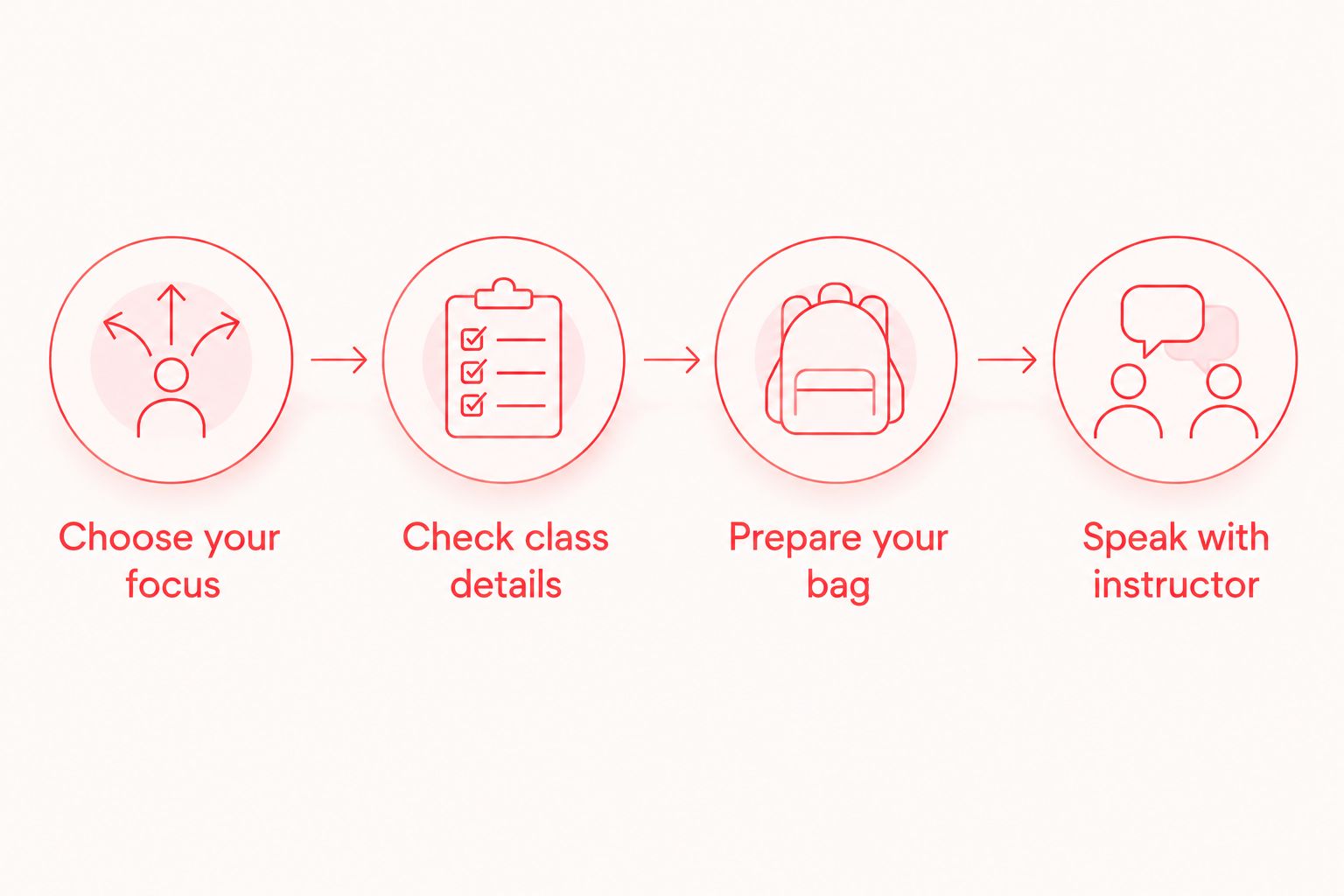
Use the following sequence for your first booking in 2026:
- Choose your focus: Decide whether you want Barre, Vinyasa, Yin, 26&2, Hot Pilates, or Reformer Pilates. These are different class types, not interchangeable intensity levels.
- Check class details: Confirm the particular session’s pace, temperature, equipment, and arrival instructions. Do not transfer instructions from one class type to another.
- Prepare your bag: Bring water and comfortable movement clothing. Ask whether your selected class requires a mat, towel, grip socks, or other items; do not assume those requirements are identical.
- Speak with the instructor: Explain that you are new and mention movement limitations relevant to participation. Ask how to pause or simplify an exercise before class begins.
This approach gives you a practical starting point without requiring you to identify as fit, flexible, or experienced first. Learning the room is part of a first visit.
For Unified Hot Yoga Barre, confirm Barre-specific instructions rather than assuming infrared-heated yoga details also describe the Barre session. If you experience pain, dizziness, or feel unwell, stop exercising and tell the instructor; do not use discomfort as a target intensity.
Choose your first class
Review the schedule, then confirm the preparation details for your selected session.
Which barre class should you choose?
Choose fundamentals-style barre when you want help learning; choose traditional barre when you want an all-around introduction. Move toward resistance-focused barre or cardio-barre because that emphasis interests you, not because you need to graduate to a supposedly better class.
For a 2026 membership decision, separate the movement question from the commitment question. First establish which class you want to attend and whether its schedule works for you; then review the studio’s current membership information and terms.
Unified Hot Yoga offers Barre alongside several yoga and Pilates formats in American Fork. That range supports choosing by movement preference rather than treating every class as another step on the same intensity ladder.
FAQ
What's the best barre class intensity for a beginner?
A fundamentals-style class is the first profile to consider when your priority is learning positions and instructions. Confirm that the actual session includes foundational teaching rather than relying on the beginner label alone.
Are barre classes ranked by intensity the same at every studio?
No, barre intensity labels are not standardized across studios. Compare pace, resistance, recovery, coordination, and heat for the specific class you want to attend.
Is cardio-barre harder than traditional barre?
Cardio-barre emphasizes sustained movement, while traditional barre can emphasize repeated muscular effort and control. Faster movement does not make every exercise harder, and slower holds can still feel demanding.
Does a low-impact barre class mean an easy workout?
No, low impact does not mean low effort. A class can avoid jumping while still using demanding holds, repetitions, and controlled movements.
Do I need dance experience before trying barre?
Dance experience is not a general prerequisite for barre fitness. Ask the instructor how the selected class introduces ballet-inspired positions and offers alternatives for newcomers.
Are Barre classes at Unified Hot Yoga heated?
Confirm the temperature for the specific Barre session before attending. The studio offers infrared-heated yoga, but that does not establish the temperature of its Barre classes.
What should I bring to my first barre class?
Bring water and comfortable movement clothing, and confirm the session's equipment and footwear requirements. Ask specifically about a mat, towel, and grip socks instead of assuming every class uses the same setup.
One last thing
A useful first class teaches you how to adjust effort, not just how to endure it. Before leaving, ask the instructor which variation to repeat next time and which movement deserves more practice. That gives your next visit a purpose beyond trying to feel more exhausted.