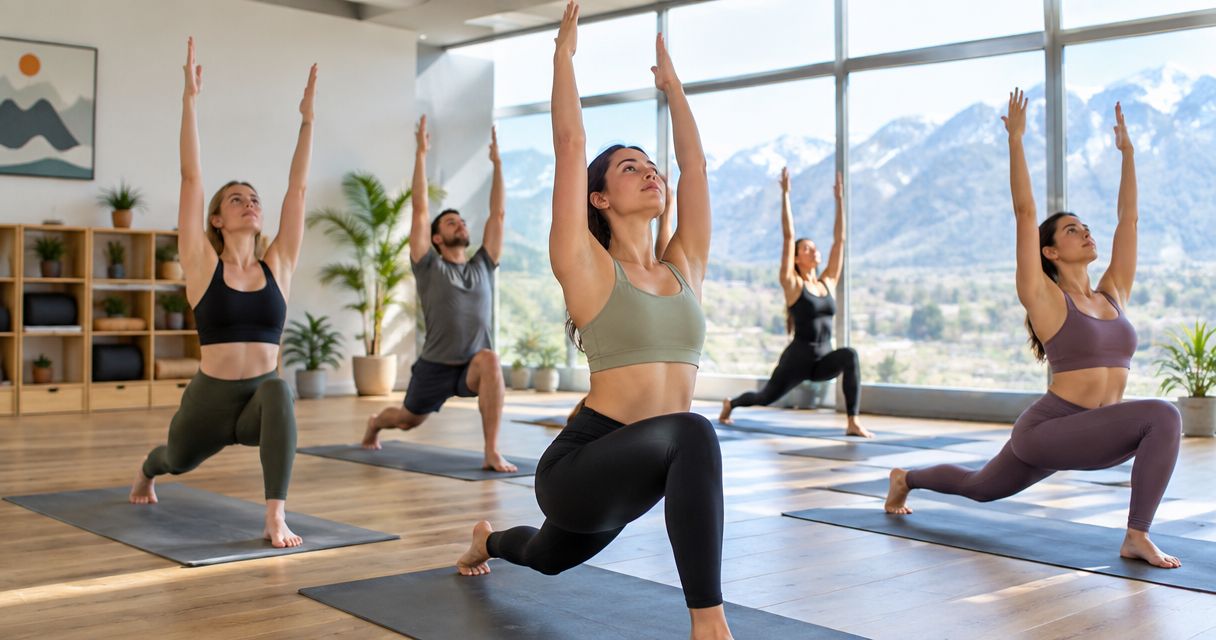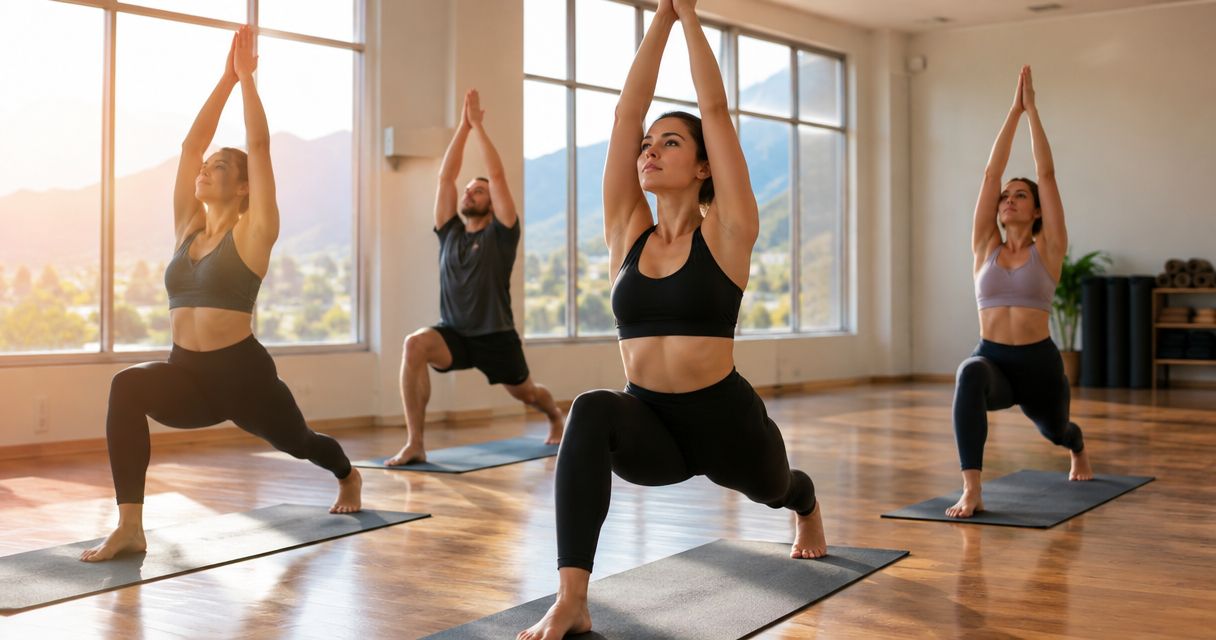
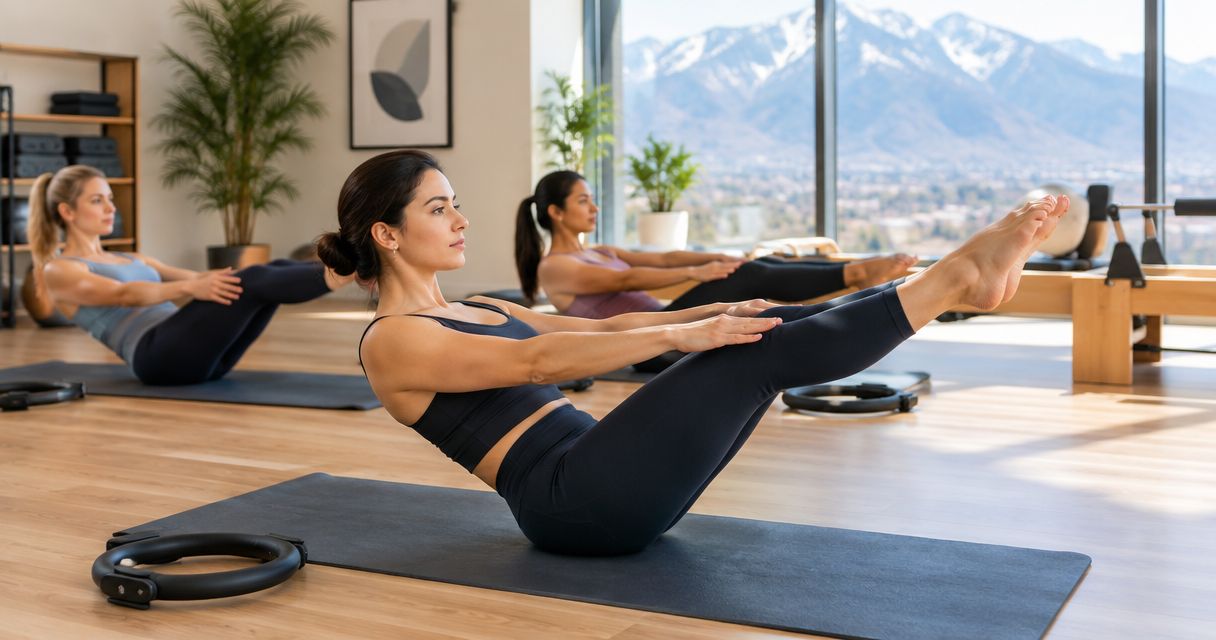
Best overall for equipment-based core work: Reformer Pilates. Best for readers who prefer a heated class: Hot Pilates. Best for learning floor-based fundamentals without heat: mat Pilates. For the best pilates classes for core strength in Utah County in 2026, choose the format that lets you practice controlled movement—not the class that sounds hardest.
- The best pilates classes for core strength in Utah County match your experience, heat preference, and equipment comfort.
- Unifiedhotyoga offers Reformer Pilates and Hot Pilates in American Fork for practitioners of all skill levels.
- Choose Reformer Pilates for equipment-based practice; choose Hot Pilates when you want a heated class.
- Mat Pilates offers floor-based fundamentals; Barre is a separate option, not a Pilates substitute.
Why this matters
Core-focused training involves more than making your abdominal muscles feel tired. In Pilates, you practice controlling your trunk while your arms, legs, or equipment move. Breathing, alignment, and the ability to adjust an exercise matter more than chasing exhaustion.
Unifiedhotyoga offers Pilates classes in American Fork alongside Vinyasa, Yin, 26&2 yoga, and Barre. The studio welcomes practitioners of all skill levels, but the right first class still depends on your comfort with heat and unfamiliar equipment.
This 2026 guide ranks class formats by use case, not Utah County studios by an unverified performance score. Reformer Pilates, Hot Pilates, and mat Pilates offer different starting points. Barre appears as a separate comparison because someone choosing a membership needs to understand the distinction.
What makes the best Pilates class for core strength?
Use these criteria before choosing a class. A recognizable format is useful; instruction that helps you understand the movement is essential.
- Clear instruction: Look for explanations of breathing, body position, and how to begin each movement.
- Adjustable exercises: Ask how the instructor changes an exercise when the full version is beyond your current control.
- Manageable environment: Choose heat because you prefer it, not because you assume sweating measures core strength.
- Equipment orientation: For Reformer Pilates, ask how newcomers learn the carriage, springs, and transitions.
- Repeatable attendance: Choose a location and class time that fit your actual week, including the trip home.
- Relevant movement: Ask whether the class emphasizes Pilates technique, general conditioning, or a blend of approaches.
For your first visit, resolve 2 questions before booking: does the class welcome someone new to the format, and what should you bring? An all-skill-levels description does not tell you every detail about equipment, clothing, or class pacing.
Pilates class formats at a glance
This comparison separates the purpose of each option from the details you should confirm with the studio. It does not assign a heat level, class duration, or exercise sequence to an unverified local class.
| Rank and format | Best for | Standout feature | Key limitation |
|---|---|---|---|
| 1. Reformer Pilates | Equipment-based core practice | A moving carriage and spring resistance | Requires learning equipment setup and control |
| 2. Hot Pilates | Readers who prefer heated exercise | Pilates-style movement in a heated setting | Heat adds a separate comfort and preparation consideration |
| 3. Mat Pilates | Floor-based fundamentals without heat | Bodyweight movement without a reformer | Less equipment assistance for individual movements |
| 4. Barre | Readers who prefer standing, barre-supported exercise | A different approach to controlled fitness movement | Barre is not the same method as Pilates |
For a first Pilates class in 2026, pick the environment you can learn in—not the environment that sounds most demanding. An instructor's explanation of a beginner adjustment tells you more than the class name alone.
1. Reformer Pilates: best for equipment-based core practice
Reformer Pilates uses a sliding carriage and spring resistance. Depending on the exercise, the apparatus provides resistance, support, or both; the task is to control the movement rather than let the carriage move you.
This format suits someone who wants to learn how equipment-based movement works. It also requires attention to setup, because changing springs or body position changes the exercise.
Unifiedhotyoga Pilates classes suit American Fork readers choosing between Reformer Pilates and Hot Pilates at an all-skill-levels studio. That is a practical reason to consider the studio, not a promise that either format produces a particular result.
Reformer Pilates pros
- Spring resistance provides an adjustable element within the exercise.
- The carriage makes movement control a clear part of the task.
- Equipment supports varied positions and movement patterns.
- You can ask the instructor to explain setup before attempting unfamiliar transitions.
Reformer Pilates cons
- The apparatus introduces a learning step beyond the exercise itself.
- More spring resistance does not automatically mean a better exercise.
- Equipment-based instruction requires you to understand the setup, not simply copy a nearby participant.
Best for: You want apparatus-based Pilates and are willing to learn the equipment carefully.
Before booking, ask whether the class includes orientation for first-time reformer users. Confirm footwear requirements, what equipment is provided, and how the instructor handles beginner adjustments. Do not assume those details from the word reformer.
Verdict: Choose Reformer Pilates for equipment-based practice; hold off if you cannot confirm beginner orientation.
2. Hot Pilates: best for readers who prefer heated exercise
Hot Pilates places Pilates-style exercise in a heated environment. Class programming varies, so the name alone does not establish the pace, exercise selection, or balance between Pilates technique and general conditioning.
Unifiedhotyoga offers Hot Pilates in American Fork. If you like exercising in heat, this is a relevant option to explore; if you are unsure about heat, settle that question before treating it as your default.
Hot Pilates pros
- The heated environment suits readers who actively prefer that setting.
- The format offers a different experience from equipment-based Pilates.
- You can evaluate heat preference separately from your interest in core-focused exercise.
- Asking about pace and adjustments helps you choose a suitable first class.
Hot Pilates cons
- Heat adds another demand to an unfamiliar movement session.
- Sweating does not establish how effectively you performed an exercise.
- The class name does not guarantee a particular Pilates sequence or teaching approach.
Best for: You want a heated class and can focus on instruction without using sweat as your scorecard.
Before your first Hot Pilates class in 2026, ask about the room environment, class style, and what newcomers should bring. If heat affects you poorly or you have a medical reason to avoid it, discuss the choice with a qualified healthcare professional rather than relying on a class description.
Verdict: Choose Hot Pilates when heat is a preference; skip it when heat is the reason you cannot concentrate on movement.
3. Mat Pilates: best for floor-based fundamentals without heat
Mat Pilates uses floor-based exercises, with bodyweight central to the practice. Some classes include small props, but you should confirm the actual equipment rather than assume every mat class uses the same setup.
A nonheated mat class offers a way to separate learning Pilates from adapting to heat or a reformer. This is a category recommendation, not a claim that the named American Fork studio offers a separate nonheated mat class.
Mat Pilates pros
- You can learn floor-based movement without reformer setup.
- Bodyweight exercises keep the equipment requirements straightforward.
- A nonheated setting removes heat as a factor in your first-class decision.
- You can focus your questions on breathing, positioning, and exercise adjustments.
Mat Pilates cons
- Without a reformer, you do not have its spring resistance or carriage support.
- Floor-based does not mean easy; bodyweight movements still require control.
- A class called mat Pilates is not automatically designed for beginners.
Best for: You want to understand Pilates fundamentals without adding heat or apparatus.
When comparing Utah County options, ask whether the session is introductory, mixed-level, or intended for experienced participants. Then ask how the instructor adapts exercises. The Pilates exercises for beginners guide provides a related starting point for understanding the movement vocabulary.
Verdict: Choose a beginner-appropriate mat class for floor-based learning; hold off when the level or teaching approach is unclear.
4. Barre: best for readers who prefer standing exercise
Barre is a separate fitness format, not another name for Pilates. It commonly uses barre-supported positions and controlled movements, although the balance of standing and floor work varies by class.
Unifiedhotyoga offers Barre alongside its Pilates and yoga classes. Consider it when you prefer the movement format—not because every class associated with core work is interchangeable.
Barre pros
- Barre-supported positions offer a different setting from reformer or mat work.
- The format suits readers interested in standing exercise.
- You can compare it with Pilates before committing to a preferred class type.
Barre cons
- Barre does not replace instruction in Pilates technique.
- The name does not specify how much standing or floor work a class includes.
Best for: You prefer barre-supported fitness movement and do not specifically need a Pilates-method class.
Verdict: Choose Barre for its own format; skip it as a substitute when your goal is specifically learning Pilates.
Prepare for your first class without guessing
Your first visit should answer practical questions, not test how much discomfort you can tolerate. Use the studio's Know Before You Go information where available, then ask directly about anything the instructions leave unclear.
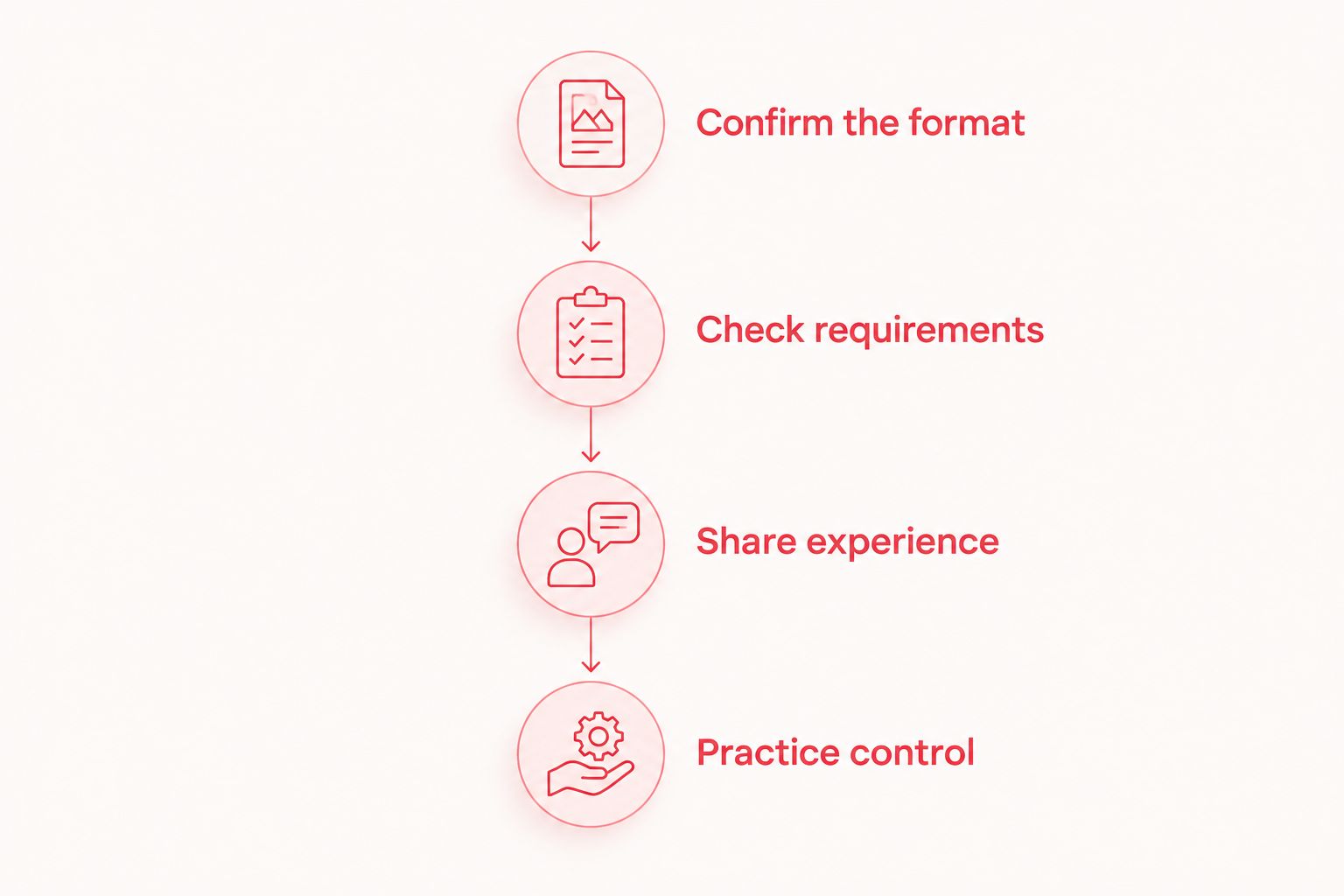
Follow this sequence before attending:
- Confirm the format. Establish whether you booked Reformer Pilates, Hot Pilates, mat Pilates, or Barre.
- Check requirements. Ask about footwear, a mat, a towel, water, and what the studio supplies.
- Share experience. Tell the instructor that you are new and mention movement restrictions relevant to participating.
- Practice control. Choose the adjustment you understand rather than copying a more experienced participant.
The sequence keeps preparation separate from performance. You do not need to arrive already knowing the exercises; you do need to know what you booked and how to ask for help.
Wear clothing that allows comfortable movement and stays secure as you change positions. Ask about specific footwear rules instead of assuming bare feet, socks, or shoes are correct for every format.
For a heated class, bring drinking water and follow the studio's preparation instructions. Stop exercising and alert the instructor if you feel faint, dizzy, or unwell. Completing the session is not more important than responding to those symptoms.
How these formats are ranked
The ranking follows the criteria above: instruction, adjustable movement, environment, equipment orientation, attendance fit, and relevance to Pilates. Reformer Pilates leads for apparatus-based practice; Hot Pilates leads only for the distinct preference of exercising in heat.
Mat Pilates serves floor-based learning, while Barre serves a separate standing-exercise preference. These recommendations do not establish that one format builds more strength than another, or that a particular studio outperforms other Utah County studios.
Which Pilates class should you choose?
Choose Reformer Pilates as your starting point if you want equipment-based instruction and can confirm newcomer orientation. Choose Hot Pilates when you already prefer heat. Choose nonheated mat Pilates when you want to learn without either of those additional factors.
For your 2026 decision, use 3 priorities: a suitable class level, a format you enjoy, and an attendance pattern you can maintain. Someone traveling from Lehi, Pleasant Grove, Highland, or elsewhere in Utah County should include the journey in that decision—not just the time spent exercising.
Start by assessing 1 class before making a broader membership decision. Afterward, ask yourself whether you understood the instructions, could request adjustments, and want to return. Feeling welcomed matters because it makes those questions easier to ask.
When you are ready to join, consult the studio's current Prices page for intro offers and memberships, and the Schedule for class times. Choose the membership around the classes you intend to attend rather than an assumed weekly routine.
FAQ
What's the best Pilates class for core strength in Utah County?
Reformer Pilates is the recommended starting point for equipment-based core practice when the class includes newcomer orientation. Hot Pilates suits readers who prefer heat, while nonheated mat Pilates suits floor-based learning without apparatus.
Can a beginner take Pilates at Unifiedhotyoga?
Unifiedhotyoga offers Reformer Pilates and Hot Pilates for practitioners of all skill levels. Before booking, confirm how your selected class introduces newcomers and what preparation it requires.
Is Reformer Pilates better than Hot Pilates for beginners?
Neither format is automatically better for every beginner. Reformer Pilates requires learning equipment setup; Hot Pilates adds a heated environment, so choose according to your comfort and the instruction offered.
What should I bring to my first Pilates class?
Confirm the studio's requirements for footwear, a mat, a towel, and water before attending. Bring clothing that allows comfortable movement, and ask which items the studio provides.
Does sweating more mean my core is getting stronger?
Sweating more does not demonstrate greater core strength. Evaluate whether you can control the movement, understand the instructions, and use an appropriate exercise adjustment.
Is Barre the same as Pilates?
Barre and Pilates are different formats. Barre commonly uses barre-supported fitness movements, while Pilates instruction follows mat-based or apparatus-based movement methods.
Should I buy a Pilates membership before trying a class?
Assess a class before choosing a membership when you are still deciding between formats. Use the current Schedule and Prices information to match your intended attendance with the available membership options.
How should I compare Pilates classes in 2026?
Compare beginner support, class format, equipment orientation, heat preference, and practical attendance fit. Ask about the specific session rather than assuming its name explains the teaching approach.
One last thing
More resistance is not always the next step in Pilates. On a reformer, springs can provide support as well as resistance, depending on the exercise. Ask what the setting is meant to do before treating a heavier setting as progress.
For your first class in 2026, the most useful goal is simple: understand the movement well enough to practice it with control. Let the instructor help you choose the version that fits your current ability.