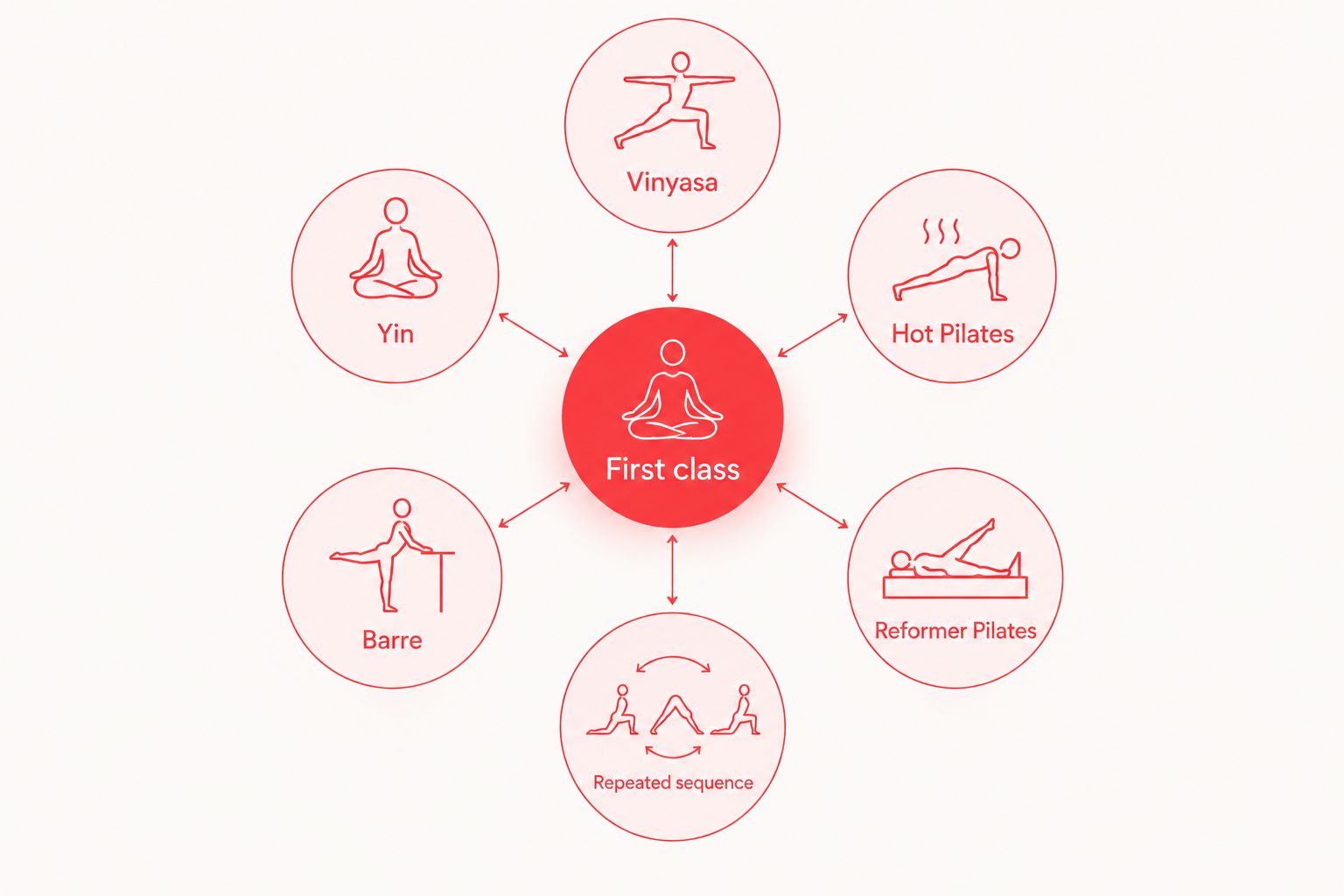
Best fit for beginners seeking heated flow: Vinyasa at Unified Hot Yoga in American Fork. Best for a slower yoga practice: Yin. Best for a repeated yoga sequence: 26&2. This 2026 guide compares those choices with Hot Pilates, Barre, and Reformer Pilates so you can choose a first class by what you want to do—not by which workout sounds hardest.
- Unified Hot Yoga offers Vinyasa for beginners seeking infrared-heated yoga in American Fork.
- The best vinyasa yoga classes for beginners in Utah County match your comfort with flow, instruction, and heat.
- Yin and 26&2 are different yoga formats, not interchangeable names for Vinyasa.
- Hot Pilates, Barre, and Reformer Pilates offer alternatives when you prefer fitness-focused movement over yoga flow.
Why this matters
Choosing your first yoga class means choosing more than a studio. You are choosing a movement format, a learning pace, and an environment. A class can welcome all skill levels while still asking you to manage unfamiliar transitions and heat together.
Unified Hot Yoga is a practical Vinyasa choice for Utah County beginners who want infrared-heated yoga in American Fork. The studio also offers Yin, 26&2, Hot Pilates, Barre, and Reformer Pilates for practitioners of all skill levels.
The ranking below is a decision guide to those class formats, not a ranking of competing Utah County studios. Vinyasa comes first because it answers your search; the other formats help you decide whether flowing yoga is actually the first experience you want.
What makes the best beginner Vinyasa class?
Use these criteria when choosing a class in 2026. A welcoming description matters, but you also need to understand what participation involves.
- Understandable instruction: Ask how the instructor introduces unfamiliar poses and explains transitions. You need cues you can follow without copying every movement perfectly.
- Manageable transitions: Vinyasa links movement with breath. Ask whether the class suits someone learning the basic shapes and how to simplify a sequence.
- Comfort with heat: Heated movement adds another consideration to your first visit. Confirm the environment and preparation guidance before booking.
- Permission to adjust: Ask how to take a break or choose an alternative movement. Treat those choices as part of participating, not as failing the class.
- A workable routine: Choose a location and class time you can attend without rushing. For readers outside American Fork, include the actual trip when comparing options.
Do not use flexibility as an entrance requirement. Instead, tell the instructor that you are new and ask what you need to know before the class begins. That conversation gives you a more useful starting point than guessing from a class name.
Beginner class options at a glance
This 2026 comparison separates the formats by their defining movement patterns. The limitations describe what you need to consider as a newcomer; they are not claims about a particular instructor or session.
| Rank and format | Best for | Defining feature | Key beginner limitation |
|---|---|---|---|
| 1. Vinyasa | Learning flowing yoga | Movement linked with breath | Transitions and heat require attention together |
| 2. Yin | Exploring slower yoga | Longer-held, generally floor-based poses | Slower movement does not remove the need to adjust discomfort |
| 3. 26&2 | Following a repeated yoga sequence | A defined sequence of postures and breathing exercises | Repetition does not make every posture immediately familiar |
| 4. Hot Pilates | Choosing heated, fitness-focused movement | Pilates-based exercise in a heated setting | It does not teach the same practice as Vinyasa |
| 5. Barre | Practicing small, controlled movements | Ballet-inspired fitness movements and muscular control | Small movements still require technique and effort |
| 6. Reformer Pilates | Learning equipment-based Pilates | Movement using a reformer carriage and springs | Equipment introduces an additional learning task |
The strongest choice is the format you understand and want to practice. Do not choose a class because its name promises an easier route; choose it because its movement style matches your interests.
1. Vinyasa: best for beginners who want flowing yoga
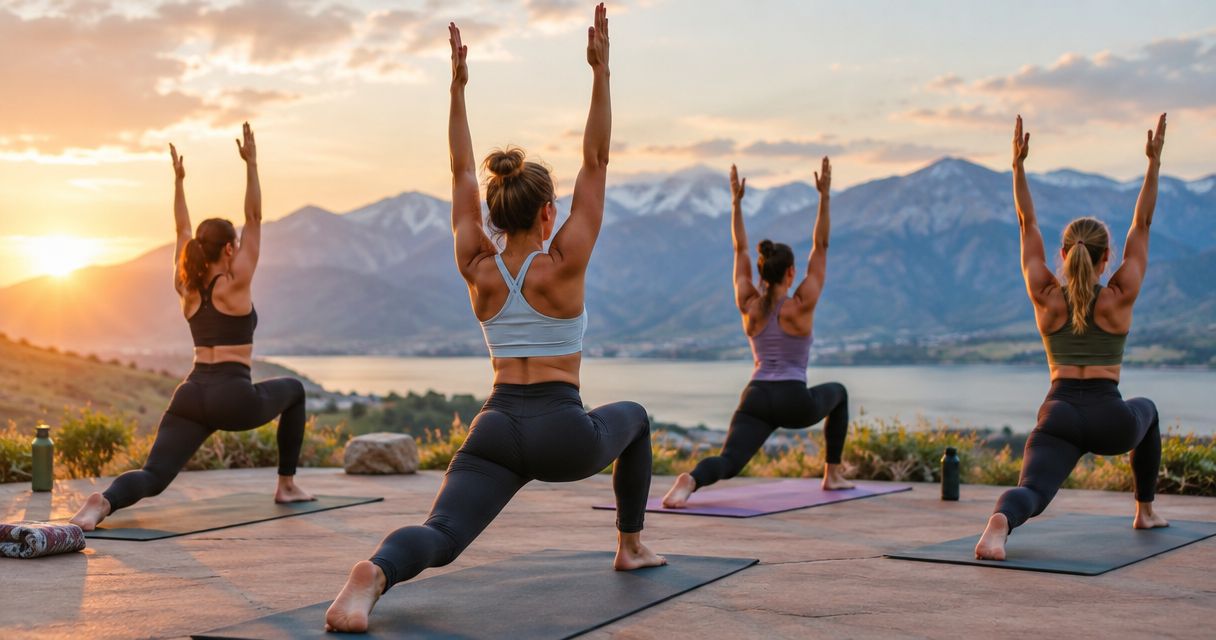
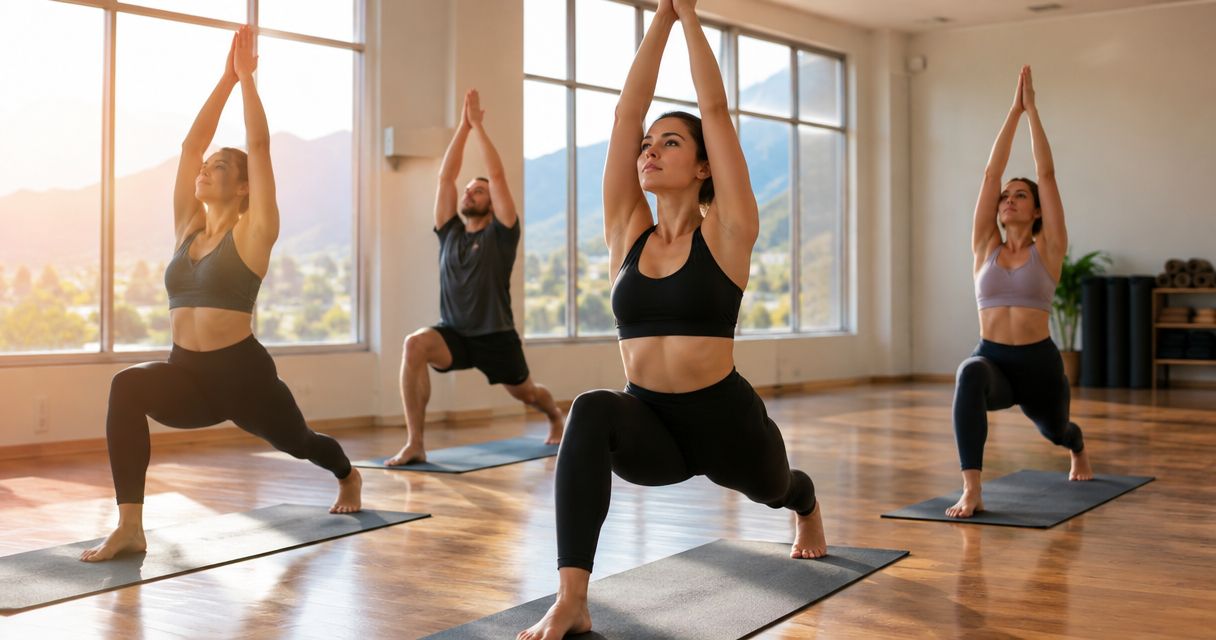
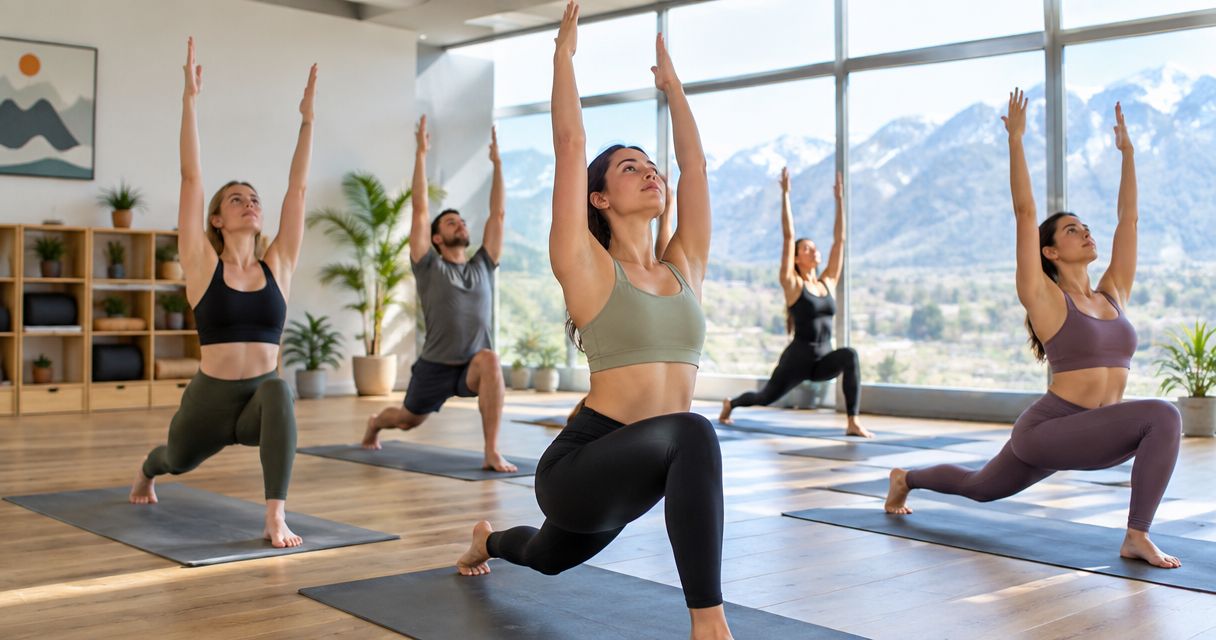
Vinyasa connects yoga poses through movement coordinated with breathing. Rather than treating each posture as an isolated exercise, you learn how to move between shapes while paying attention to your breath.
Unified Hot Yoga offers infrared-heated Vinyasa in American Fork. For your first visit, the practical question is whether you want to learn a flowing practice in a heated environment—not whether you can already perform every pose.
Vinyasa pros:
- Introduces the relationship between breathing and movement.
- Gives you practice moving between yoga postures.
- Fits beginners specifically interested in yoga flow.
Vinyasa considerations:
- Unfamiliar transitions require attention while you listen to instructions.
- Heat adds a separate comfort consideration to learning movement.
Best for: A newcomer who wants flowing yoga and is ready to ask about beginner guidance before participating.
Start with 1 class before deciding on a longer routine. Your first goal is to understand the format, learn how to adjust, and notice whether the environment suits you.
Verdict: Choose Vinyasa if flowing yoga is the experience you want.
2. Yin: best for beginners who prefer slower yoga
Yin generally uses longer-held poses, often close to the floor. Its pace gives you a different experience from linking postures through a Vinyasa sequence.
You still need to pay attention to sensation and positioning. Holding a pose longer is not an instruction to force a deeper stretch or stay with pain.
Yin pros:
- Offers a slower movement format than flowing yoga.
- Gives you time to observe how a position feels.
- Suits readers interested in a quieter style of yoga practice.
Yin considerations:
- Longer holds require patience and attention to comfort.
- Yin does not replace learning Vinyasa transitions if flow is your goal.
Best for: A beginner who wants to explore yoga without making continuous transitions the main focus.
Ask about support and alternatives before settling into an unfamiliar position. You do not need to match another person's range of motion.
Verdict: Choose Yin for slower yoga; keep Vinyasa for learning flow.
3. 26&2: best for beginners who value a repeated sequence
The 26&2 yoga format refers to 26 postures and 2 breathing exercises in a defined sequence. That structure distinguishes it from Vinyasa's emphasis on flowing between poses.
A repeated sequence gives you a consistent framework to learn. It does not mean you must master the whole sequence during your first class.
26&2 pros:
- Provides a defined sequence rather than an open-ended flow format.
- Gives returning practitioners familiar movements to revisit.
- Suits learners who appreciate knowing the structure of a practice.
26&2 considerations:
- The posture sequence still contains unfamiliar movements for beginners.
- Its structure is different from the flowing practice you searched for.
Best for: A newcomer who prefers a repeated yoga framework and wants to learn it over successive visits.
Before choosing 26&2 in 2026, ask about the class environment and how beginners approach postures they cannot yet perform comfortably.
Verdict: Choose 26&2 for repetition, not as another name for Vinyasa.
4. Hot Pilates: best for beginners seeking heated fitness
Hot Pilates combines a heated setting with Pilates-based fitness movement. It belongs in this comparison because a beginner searching for hot yoga sometimes wants an exercise class rather than a yoga practice.
Decide which interest brought you here. If you want to learn yoga poses and breath-linked transitions, Vinyasa answers that goal more directly.
Hot Pilates pros:
- Offers a fitness-focused alternative to yoga flow.
- Introduces Pilates-based movement in a heated environment.
- Fits readers whose main interest is controlled exercise.
Hot Pilates considerations:
- It is not interchangeable with a Vinyasa yoga class.
- Heat and unfamiliar exercise technique both deserve attention.
Best for: A beginner who wants heated exercise and prefers Pilates-based movement to a yoga sequence.
Ask about the particular class format rather than assuming every Hot Pilates session uses the same exercises or equipment.
Verdict: Choose Hot Pilates for heated fitness; choose Vinyasa for yoga flow.
5. Barre: best for beginners drawn to precise movements
Barre is a fitness format that draws on ballet-inspired movements and controlled muscular work. It offers a different starting point from yoga sequences or reformer equipment.
The small size of a movement does not tell you how much effort it requires. Focus on understanding alignment and instructions before trying to make the movement larger or more demanding.
Barre pros:
- Emphasizes controlled movement and positioning.
- Offers a fitness alternative without centering yoga flow.
- Suits readers curious about ballet-inspired exercise.
Barre considerations:
- Small movements still require technique and sustained attention.
- Barre does not teach Vinyasa breathing and transitions as its main practice.
Best for: A newcomer who enjoys precise movement and wants to explore a fitness class distinct from yoga.
Ask what equipment and preparation the session requires. Do not infer those details from the word Barre alone.
Verdict: Choose Barre for controlled fitness movements, not for learning Vinyasa.
6. Reformer Pilates: best for equipment-based movement
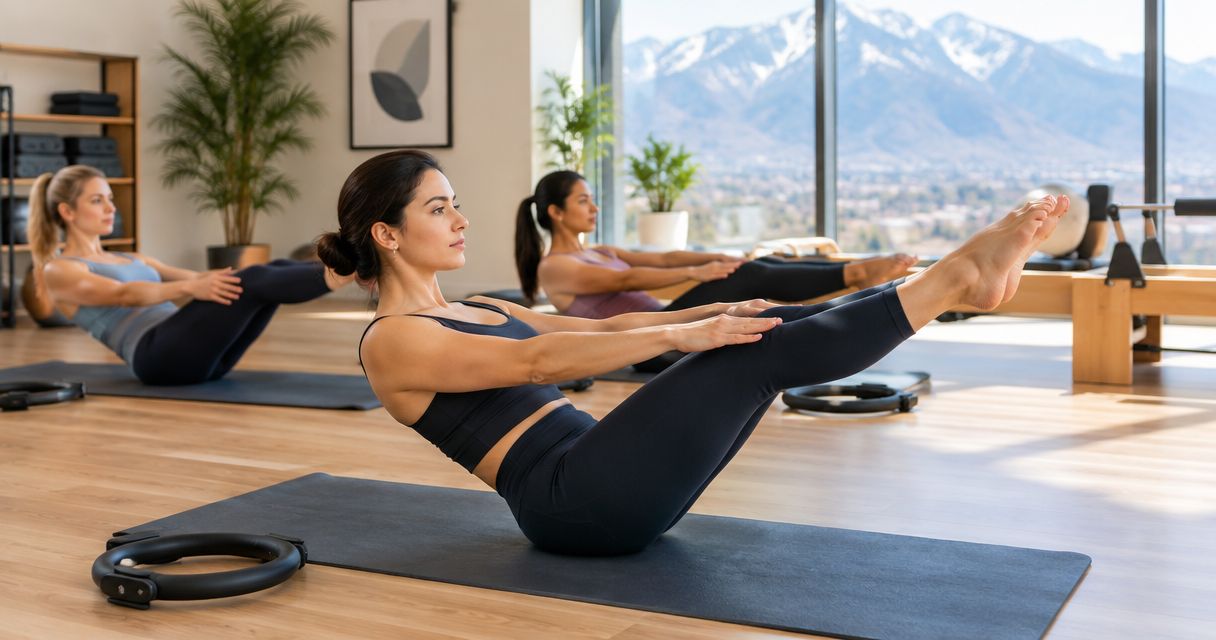
Reformer Pilates uses an apparatus with a moving carriage and spring resistance. The equipment changes how you experience movement compared with mat-based yoga.
For a beginner, learning the apparatus is part of learning the practice. Ask how equipment orientation works before your first session rather than assuming familiarity is expected.
Reformer Pilates pros:
- Introduces movement using a carriage and springs.
- Offers an equipment-based alternative to yoga and Barre.
- Suits readers interested specifically in the Pilates apparatus.
Reformer Pilates considerations:
- You must learn equipment handling alongside movement instructions.
- It is a separate practice from heated Vinyasa yoga.
Best for: A newcomer who wants to learn Pilates on a reformer and prefers an equipment-based class.
Let the instructor guide unfamiliar adjustments. Understanding the setup matters more than trying to appear experienced.
Verdict: Choose Reformer Pilates when the apparatus is part of what interests you.
How the options are ranked
The order follows beginner intent: flowing yoga first, then slower yoga, a repeated sequence, heated fitness, precise fitness movement, and equipment-based Pilates. It does not rank the formats by difficulty, calorie use, or health outcomes.
For this 2026 guide, Vinyasa is the default because it answers the search directly. The alternatives earn distinct places because each solves a different class-selection question.
What to bring and how to prepare
Your preparation should reduce uncertainty, not become another workout. Confirm the studio's current instructions before packing, especially its requirements for mats, towels, footwear, and any class-specific equipment.
- Confirm your class: Check the format, location, start time, and arrival instructions. Make sure you booked the practice you intended to try.
- Prepare your essentials: Plan suitable movement clothing and drinking water. Confirm which additional items you must bring and which the studio provides.
- Tell the instructor: Say that this is your first class and mention relevant movement limitations. Ask how to pause or simplify unfamiliar movements.
- Set a modest goal: Learn the instructions and notice your comfort. Matching everyone else's pace is not the assignment.
Write down 2 questions before you arrive: how to modify unfamiliar movement, and what to do when you need a break. Those questions are useful across all six formats.
Do not treat lightheadedness or feeling unwell as a challenge to overcome. Stop exercising and seek help. If you have a medical condition or questions about exercising in heat, discuss suitability with a qualified healthcare professional before attending.
Which class should you choose?
Choose Vinyasa if you want to learn flowing yoga in a heated setting. Choose Yin if slower yoga sounds more appealing, or 26&2 if a repeated sequence helps you feel oriented. Choose Hot Pilates, Barre, or Reformer Pilates when their movement formats match your actual interests better.
Unified Hot Yoga offers these options in American Fork, so your next step is to check the current class information and schedule. When you are ready to join in 2026, review the studio's current intro offers and memberships before making a commitment. Choose a membership around classes you want to attend, not around an imagined routine.
Explore your first class
Review the studio's class information and current membership details before choosing.
FAQ
What's the best Vinyasa yoga class for a beginner in Utah County?
Unified Hot Yoga's Vinyasa is a practical option for beginners seeking infrared-heated yoga in American Fork. Confirm the current session details and ask how the instructor supports newcomers before booking.
Can I try Vinyasa if I've never done yoga?
Yes, beginners can explore Vinyasa, and Unified Hot Yoga serves practitioners of all skill levels. Tell the instructor you are new and ask how to simplify transitions or take a break.
Is Yin easier than Vinyasa for a first class?
Yin is generally slower than Vinyasa, but slower does not automatically mean easier. Choose Yin if longer-held poses appeal to you, and Vinyasa if you want to learn breath-linked movement.
What should I bring to my first heated yoga class?
Plan movement clothing and drinking water, then confirm the studio's requirements for mats, towels, and other items. Check current preparation instructions rather than assuming equipment is provided.
Is 26&2 the same as Vinyasa?
No, 26&2 uses a defined sequence of 26 postures and 2 breathing exercises, while Vinyasa emphasizes movement linked with breath. Choose according to whether repetition or flow interests you more.
Should I choose Hot Pilates or Vinyasa as a beginner?
Choose Hot Pilates for Pilates-based fitness in a heated setting, or Vinyasa for flowing yoga. The formats serve different interests, so neither is a universal first-class winner.
Should I buy a membership before trying a class?
Choose your class format before committing to a membership. Review current studio terms and select an option that matches a routine you can realistically attend.
One last thing
Your first class is an orientation, not an audition. A useful first visit leaves you knowing how to follow instructions, ask for an adjustment, and decide whether you want to return. You do not need a dramatic workout or a perfect pose to get that answer.