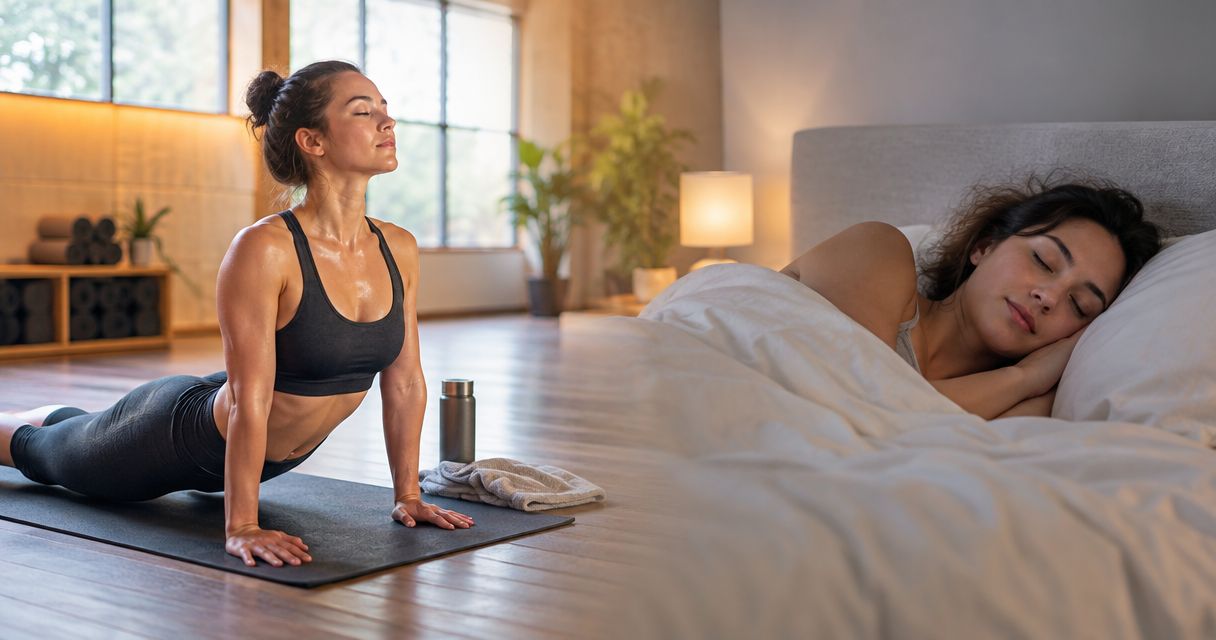
Hot yoga can support better sleep, but research on yoga generally does not establish that heated classes improve sleep more than unheated practice. Choose a class that helps you settle afterward without pushing back bedtime; heat, exertion, and a late finish can make that harder rather than easier.
- Can hot yoga improve sleep? Possibly, but yoga research does not establish an extra sleep benefit from heat.
- Unified Hot Yoga offers several class formats; choose by movement preference, heat tolerance, and bedtime fit.
- Keep your usual bedtime and compare how you feel after class with your ordinary evenings.
- Persistent insomnia, loud snoring, or daytime sleepiness deserves medical attention, not a harder workout.
Why this matters
A class that leaves you pleasantly relaxed is different from a class that leaves you exhausted, thirsty, or too alert for bed. Judge a sleep-focused routine by the night that follows, not by how much you sweat.
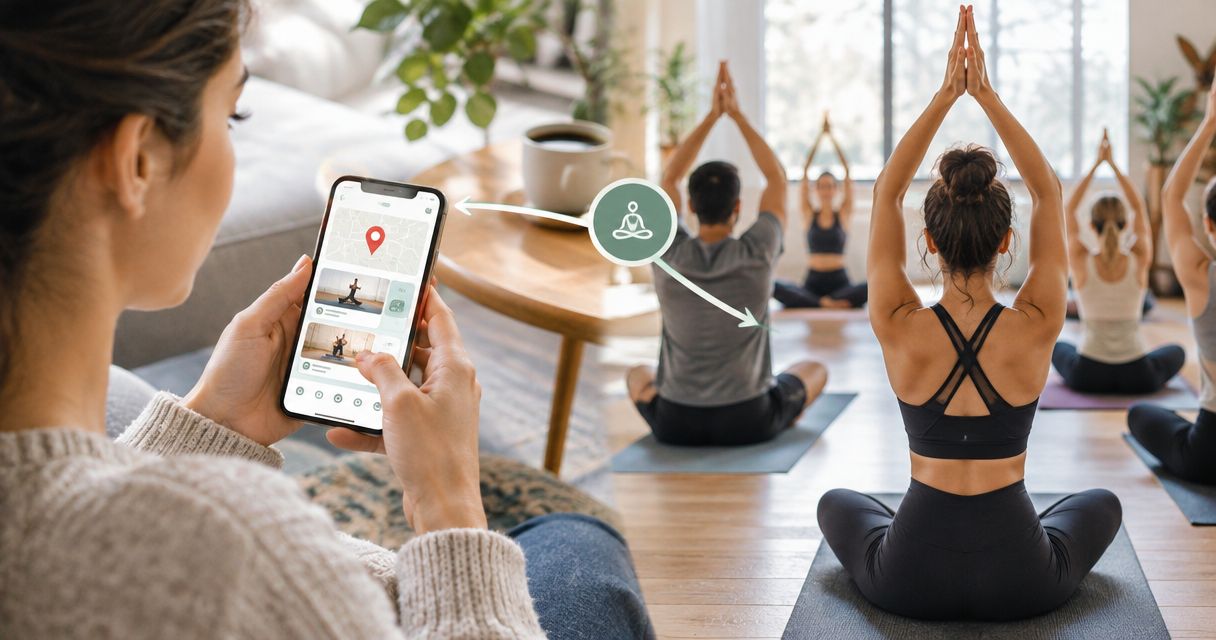
For American Fork and nearby Utah County residents, the practical starting point is the class schedule. In 2026, choose a session that leaves room for your trip home, a shower, and your normal evening routine—not simply the latest class you can attend.
Can hot yoga improve your sleep quality?
Yoga is a reasonable activity to explore alongside healthy sleep habits. The National Center for Complementary and Integrative Health summarizes research suggesting yoga can help with sleep, while also describing limitations in the evidence. That supports considering yoga; it does not establish a sleep prescription for hot yoga or infrared heating.
Keep these distinctions clear when choosing a class in 2026:
| Question | What the evidence supports | What you should not assume |
|---|---|---|
| Can yoga help sleep? | Research suggests benefits for sleep in some populations. | Everyone will sleep better after every class. |
| Does heat add a sleep benefit? | General yoga findings do not isolate an added benefit from heat. | A hotter room produces deeper sleep. |
| Is one format best? | Class preference and your response help guide a practical choice. | Yin, Vinyasa, or another format is a proven insomnia treatment. |
| Can yoga replace treatment? | Yoga can sit alongside appropriate healthcare. | A studio class replaces assessment for ongoing sleep problems. |
The useful next step is a manageable trial, not a promise. Keep your bedtime consistent, notice your response, and change the class timing or format if your evenings become harder to manage.
Which class should you try first?
Start with the experience you want, then ask about the actual class. A familiar class name does not tell you its exact pace, room temperature, teaching approach, or suitability for your circumstances.
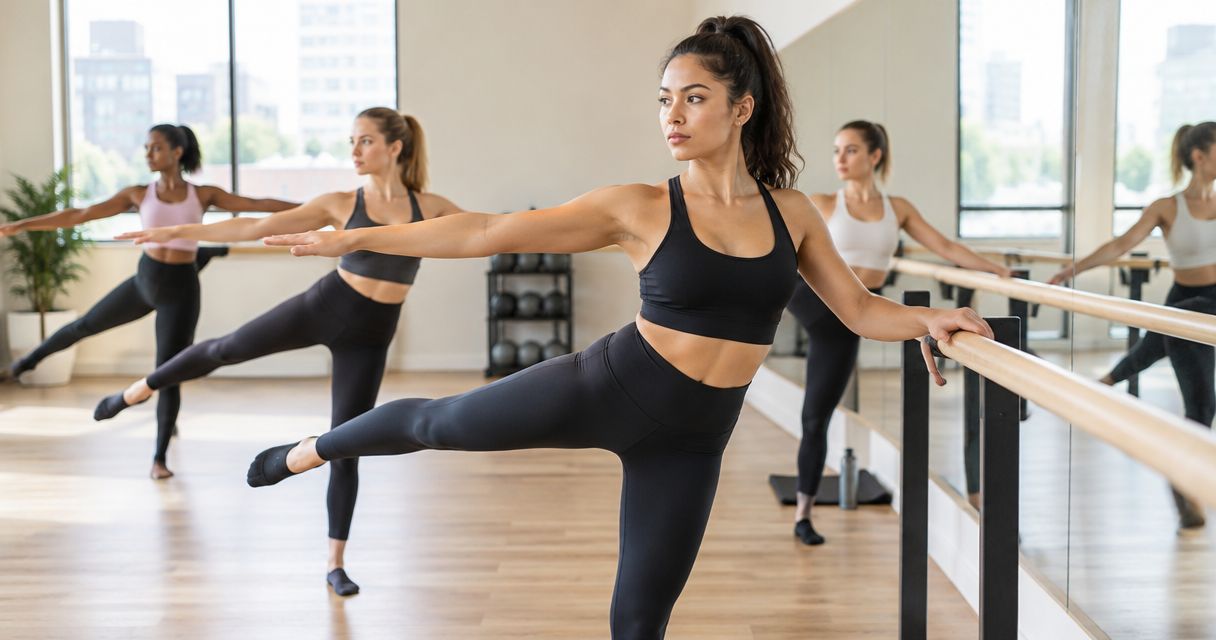
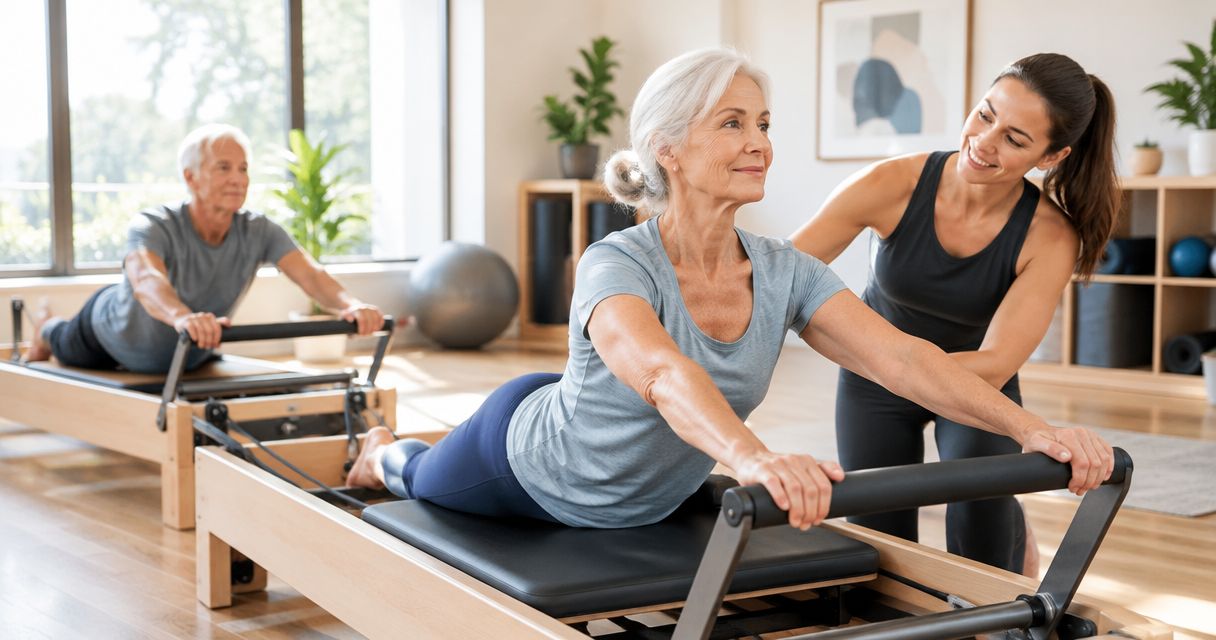
Unified Hot Yoga is a fit for American Fork beginners seeking hot yoga and Pilates classes for all skill levels. Its stated offerings include infrared-heated Vinyasa, Yin, 26&2 yoga, Hot Pilates, Reformer Pilates, and Barre. Those options offer different movement experiences, not different guaranteed sleep outcomes.
The descriptions below explain the formats generally. Confirm the details of the specific session before booking.
| Format | What the format generally involves | Best for | Practical limitation |
|---|---|---|---|
| Vinyasa | Movement between poses coordinated with breathing | People who enjoy a flowing practice | Pace and transitions can feel demanding when unfamiliar. |
| Yin | Longer-held, mostly floor-based postures | People who prefer a slower practice | Stillness and sustained sensations are not automatically comfortable. |
| 26&2 | A structured sequence of yoga postures and breathing exercises | People who like a recognizable sequence | Structure does not remove the challenge of practicing in heat. |
| Hot Pilates | Pilates-based exercise in a heated setting | People who want exercise with a strength emphasis | Heat and effort can leave you feeling alert afterward. |
| Reformer Pilates | Pilates exercises using a spring-resistance apparatus | People interested in equipment-based movement | The apparatus requires instruction and familiarity. |
| Barre | Ballet-inspired positions combined with fitness exercises | People who enjoy controlled, repeated movements | Small movements can still involve substantial effort. |
For a first visit, choose the format you feel comfortable asking questions about. There is no need to earn your place in a class by already knowing the movements. The beginner hot yoga guide addresses the practical starting point.
Is Yin the obvious choice for sleep?
Yin's slower format can appeal when you want less continuous movement, but slower does not mean a proven sleep advantage. Longer holds also require you to distinguish manageable sensation from pain.
Choose Yin because its approach interests you, not because the class name promises bedtime relaxation. Tell the instructor you are new and ask how to adjust positions comfortably.
What if you prefer Pilates or Barre?
Hot Pilates, Reformer Pilates, and Barre are valid choices if you enjoy those movement styles. You do not need to switch to yoga solely because better sleep is your goal.
Enjoyment helps you choose a routine you want to repeat. Still, do not treat any of these formats as interchangeable with clinical care or assume that a challenging class must improve the night afterward.
Why your sleep response varies
No single class choice controls your whole night. These factors explain why a sensible sleep-focused plan needs more than a booking:
- Timing: A class that displaces bedtime reduces your opportunity to sleep, even if you enjoy it.
- Effort: A demanding session can leave you feeling alert. Match the effort to your experience rather than chasing exhaustion.
- Heat tolerance: Feeling overheated is not evidence of a better session. Heat adds a physical demand that deserves attention.
- Recovery needs: Allow room to cool down, drink according to your needs, and complete your usual evening routine.
- Other sleep influences: Caffeine, alcohol, stress, medications, and underlying sleep disorders can affect the same night.
Change one part of your routine at a time. Moving class earlier while also changing caffeine, bedtime, and medication makes it difficult to understand your own experience. Never change prescribed medication to test a fitness routine.
How should you prepare for a first class?
For your first visit in 2026, make preparation simpler than the workout. Ask the studio about required equipment, arrival instructions, and the conditions in your chosen class before you leave home.
Bring useful basics, then confirm requirements
For a heated mat class, practical items include comfortable exercise clothing, water, and a towel. Ask whether you need to bring a mat and whether any additional equipment or clothing requirements apply; do not assume rentals or loan equipment are available.
Reformer Pilates and Barre can involve different setup requirements from mat yoga. Confirm those details directly rather than bringing a yoga kit and expecting it to cover every format.
Arrive hydrated without forcing water
Drink normally through the day instead of trying to catch up immediately before class. There is no single water amount that fits every body, health condition, and exercise session.
If a clinician has given you fluid restrictions or specific exercise advice, follow that guidance. A heated class does not cancel it, and extra sweating does not mean extra health benefit.
Tell the instructor what matters
Mention that you are new and ask how to rest or modify movements. Share relevant limitations without expecting the instructor to diagnose symptoms or provide medical clearance.
Stop exercising if you feel faint, dizzy, nauseated, or otherwise unwell. Seek urgent medical help for severe symptoms such as confusion, collapse, or chest pain.
A practical sleep check for 2026
Treat the following as a personal observation plan, not a medical test or a promised timeline. You are checking whether class fits your evenings—not proving that yoga treats a sleep disorder.
- Record baseline. For 7 nights, note bedtime, estimated time to fall asleep, nighttime waking, and how rested you feel the next morning. Estimates are sufficient; avoid repeatedly checking the clock overnight.
- Choose a class. Begin with 1 class at a manageable time. Keep the rest of your evening as familiar as possible.
- Protect bedtime. Leave room for the trip home and your usual routine. If the session creates a rush, choose an earlier option next time.
- Review mornings. Over the next 14 days, compare your observations without treating a single good or bad night as proof.
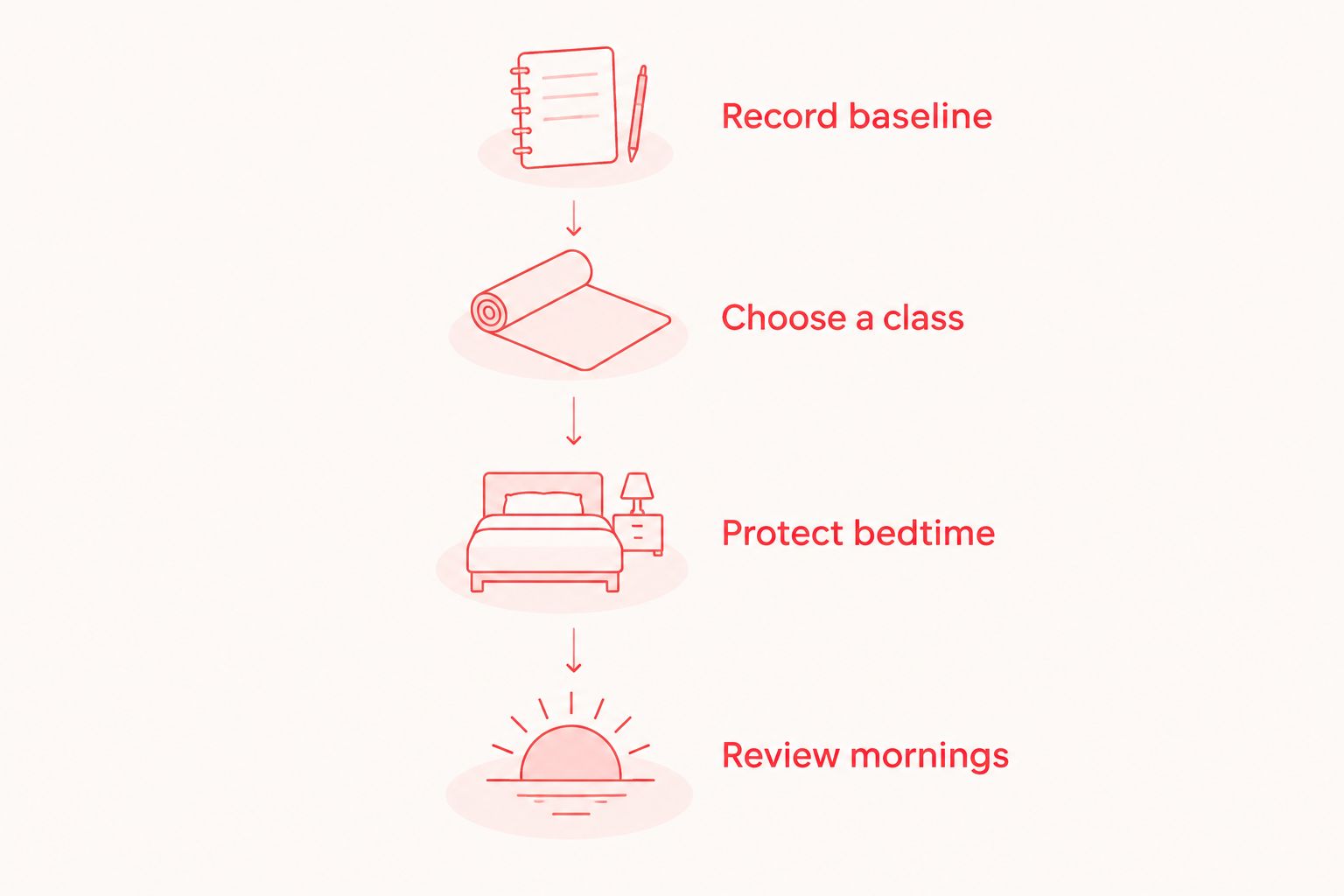
Keep the notes brief enough that tracking does not become another bedtime task. You can record whether you felt settled, unusually alert, sore, thirsty, or rushed after class, alongside the sleep observations.
Look for a useful pattern rather than a perfect score. If late classes repeatedly leave you wired, an earlier session is a more practical adjustment than pushing harder or adding more heat.
How close to bedtime should you do hot yoga?
There is no universal bedtime gap that guarantees better sleep after hot yoga. Choose a finish time that lets you cool down, travel home, and settle without delaying your usual bedtime.
An evening class is not automatically a poor choice, and a morning class is not automatically better. Protect your sleep opportunity first, then assess your response to the session.
How often should you practice for better sleep?
There is no established hot yoga frequency that guarantees better sleep. Begin with an attendance pattern you can manage comfortably rather than treating frequent classes as a sleep requirement.
For your 2026 routine, consistency means a realistic commitment—not attending despite illness, inadequate recovery, or symptoms. Add sessions only when the existing routine fits your wellbeing and schedule.
When should sleep problems get medical attention?
Persistent difficulty falling asleep or staying asleep deserves a conversation with a healthcare professional, especially when it affects daytime functioning. Loud snoring, witnessed breathing pauses, or pronounced daytime sleepiness also warrant assessment.
The American College of Physicians recommends cognitive behavioral therapy for insomnia as initial treatment for adults with chronic insomnia. That is a structured treatment, not simply general relaxation advice.
Yoga can remain an enjoyable part of your week while you seek care. You do not have to choose between movement, community, and appropriate treatment.
Choosing a class or membership
At Unified Hot Yoga, start by asking which session matches your experience, preferred movement style, and available time. A welcoming class is useful only if the practical details work for you too.
Before choosing a membership, review current membership information directly with the studio and consider the sessions you can realistically attend. Choose access that supports your routine, not a commitment that makes rest feel like a missed obligation.
Find a class that fits
Compare class times with your evening routine before choosing your first session.
FAQ
Can hot yoga improve sleep if I'm a beginner?
Hot yoga can support a sleep-friendly routine, but better sleep is not guaranteed for beginners or experienced practitioners. Start with a manageable class and assess how you feel afterward and the next morning.
Is hot yoga better than regular yoga for sleep?
An extra sleep benefit from heat is not established by general yoga research. Choose heated or unheated practice according to your preferences, tolerance, and relevant medical advice.
Should I choose Yin or Vinyasa before bed?
Choose the format that fits your movement preferences and leaves you comfortable afterward. Yin generally emphasizes longer holds, while Vinyasa involves flowing movement; neither guarantees better sleep.
Why do I feel awake after evening hot yoga?
Exercise, heat, and a busy post-class routine can leave you feeling alert rather than sleepy. Try an earlier session instead of assuming you need a harder workout.
Does sweating more mean I'll sleep more deeply?
Sweating more does not establish that you will sleep more deeply. Sweat reflects your body's cooling response, not a measure of sleep quality or treatment success.
Can I try Pilates or Barre instead of hot yoga?
Yes, Pilates or Barre can be your preferred movement routine without a promise of better sleep. Unified Hot Yoga offers Hot Pilates, Reformer Pilates, and Barre alongside its yoga classes.
Can hot yoga replace treatment for insomnia?
Hot yoga does not replace assessment or treatment for insomnia. Ask a healthcare professional about persistent sleep problems and evidence-based treatment options.
One last thing
Your best sleep-related adjustment might be leaving a late class off the calendar. If attending means pushing bedtime back, choose an earlier session or another day before changing anything else.
For 2026, make the goal a routine that leaves room for both movement and rest. You do not need to finish exhausted to have used your time well.