Yin yoga for busy professionals is a slower-paced yoga practice built around sustained, mostly floor-based postures, with the aim of making deliberate movement and quiet attention part of a crowded workweek. This 2026 guide explains how to choose a first class, prepare for the room conditions, and fit practice around work without turning wellbeing into another deadline.
- Yin yoga for busy professionals fits people seeking sustained postures rather than continuous movement.
- Unified Hot Yoga suits American Fork newcomers who want Yin yoga alongside other yoga and Pilates options.
- Confirm room temperature, equipment, and arrival instructions before choosing your first Yin class.
- Choose a repeatable class time before considering a studio membership.
Why Yin yoga matters for busy professionals
A work calendar tells you when you are available, not which kind of movement you want. Yin yoga offers a different format from flowing yoga or repetition-based exercise: you spend longer in individual postures instead of moving continuously through a sequence.
That distinction helps you choose deliberately. If you want sustained, relatively still positions after a meeting-heavy day, Yin deserves consideration; if you want continuous movement, another class format better matches that preference. Choose Yin for its pace, not because you expect it to fix the effects of your job.
For professionals in American Fork and nearby Utah County cities, travel and transition time belong in the decision alongside the class itself. In 2026, a workable routine still starts with a practical question: can you attend without rushing out of work or cutting into essential commitments?
Preview the Yin yoga poses for deep stretching guide to become familiar with the format. Treat pose descriptions as orientation, not a requirement to reproduce every position.
Build a Yin routine around your workweek
1. Protect a realistic calendar window
Start with your existing calendar, not an ideal version of your week. Look for a window that includes getting to the studio, checking in, taking class, and returning to your next commitment.
For your 2026 calendar, use 1 recurring weekly slot as a starting plan, rather than promising yourself daily attendance. This is a scheduling recommendation, not a required practice frequency. Keep a backup window for weeks when work changes unexpectedly.
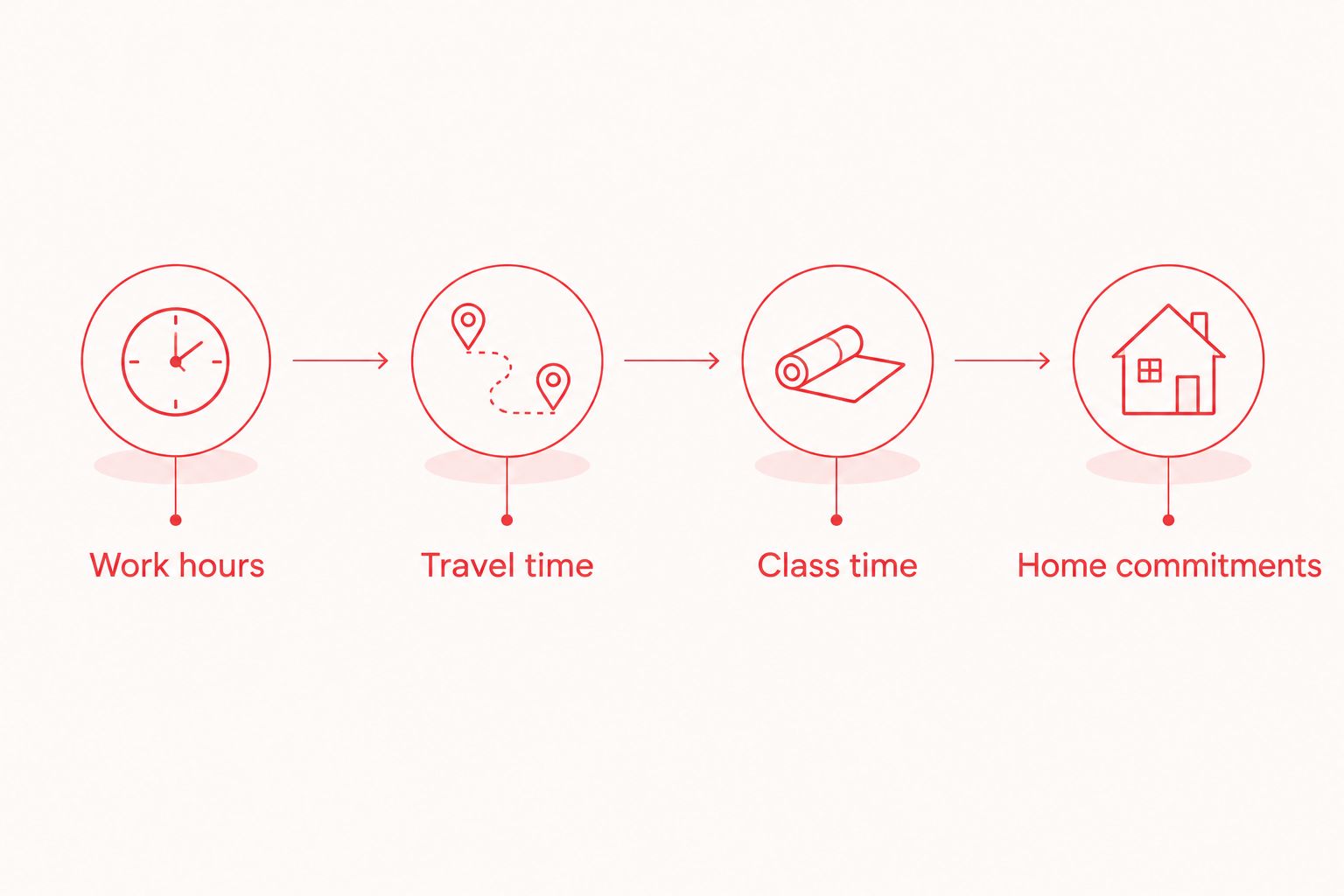
A class that technically fits between appointments can still create an uncomfortable rush. Write these parts of the appointment separately so you can see the full commitment:
- Work hours: identify when you can genuinely stop working.
- Travel time: account for the trip from your actual starting point.
- Class time: confirm both the start and finish.
- Home commitments: leave room for responsibilities afterward.
A simple timeline makes competing commitments visible before you book. The goal is a class appointment that fits into your day, rather than a day rebuilt around an unrealistic appointment.
2. Match the class to the experience you want
Before searching for a membership, decide what you want to do during the session. Yin typically involves sustained positions and less movement between them; that is different from wanting a flowing sequence, repeated strengthening exercises, or apparatus-based instruction.
Slower does not automatically mean easier. A position can become uncomfortable even when little movement is involved, and beginners still need guidance about support and when to come out.
Use your preference as the first filter. You do not need to choose the most demanding-looking option to make attendance worthwhile.
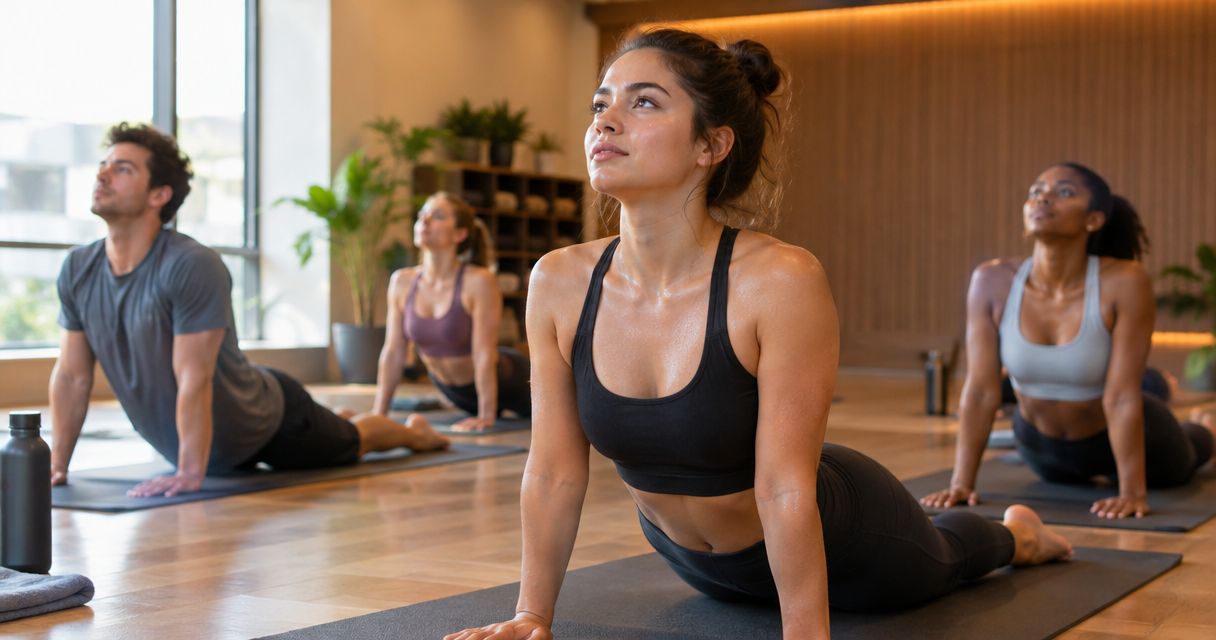
- Choose Yin when sustained postures and a quieter pace appeal to you.
- Consider Vinyasa when you want movement linked into sequences.
- Consider 26&2 when a defined yoga sequence interests you.
- Explore Hot Pilates or Barre when you prefer repeated exercise movements.
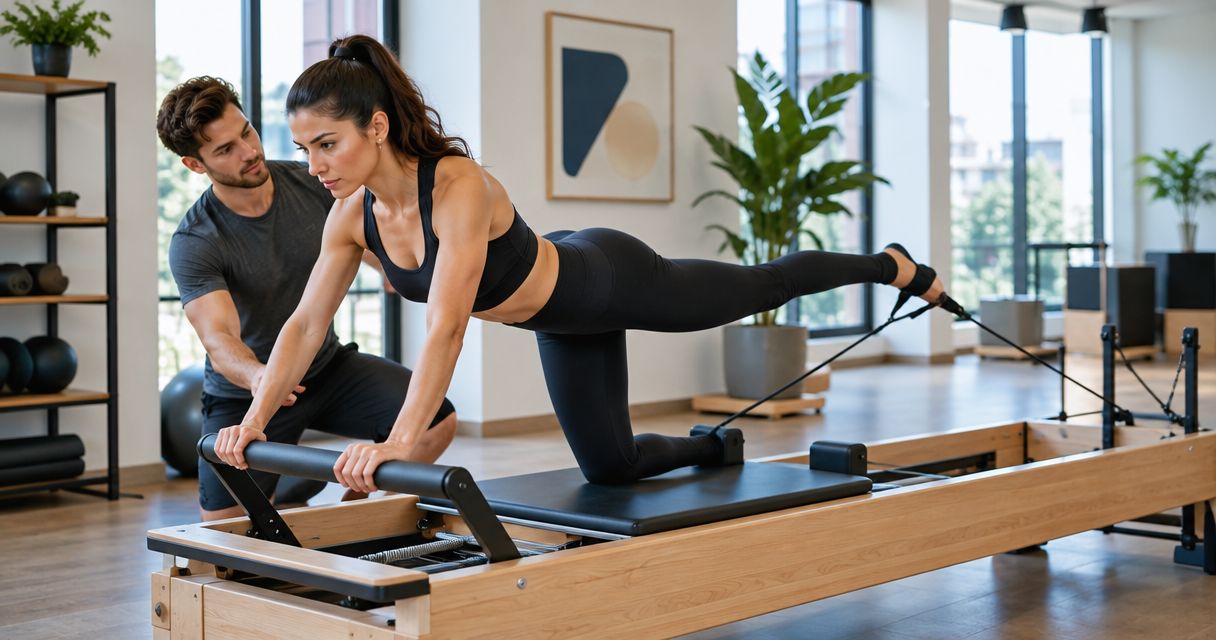
- Explore Reformer Pilates when you want an equipment-based Pilates format.
3. Confirm the studio details before booking
The manual approach is straightforward: read the class description, check preparation instructions, and ask questions before reserving. Do not assume every class at a hot yoga studio uses identical room conditions, equipment, or teaching methods.
Unified Hot Yoga offers Yin, Vinyasa, 26&2 yoga, Hot Pilates, Reformer Pilates, and Barre in American Fork. Unified Hot Yoga is best for local beginners who want Yin yoga alongside several other class formats. The practical advantage is the range of formats; the limitation is that you still need to confirm which individual session fits your schedule and preferences.
Use the Schedule, Know Before You Go, and relevant class information to settle the details rather than assembling a plan from assumptions.
- Confirm that the session you select is specifically Yin.
- Ask whether that Yin session is heated and what conditions to expect.
- Check whether you should bring a mat or other equipment.
- Ask what support is available for a first-time participant.
- Read arrival, booking, and cancellation instructions before reserving.
4. Prepare your bag and your workday
Make preparation ordinary. Set aside comfortable clothing, arrange your trip, and decide where your work belongings will go before you leave home or the office.
A useful personal planning exercise is to reserve 10 minutes for checking instructions and packing before your first visit. That is a suggested preparation window, not the studio's arrival requirement. Follow the studio's own guidance for when to arrive.
If the selected session is heated, ask about preparation rather than treating heat as a challenge to endure. Anyone with a condition affected by heat or exercise should discuss participation with an appropriate healthcare professional.
- Pack clothing that lets you change position comfortably.
- Bring drinking water and follow the studio's preparation guidance.
- Confirm mat, towel, and prop requirements rather than assuming provision.
- Arrange a practical place for work items and valuables.
- Set an arrival reminder based on the studio's instructions.
5. Use support instead of chasing depth
Tell the instructor that you are new to Yin before class begins. Explain any movement restrictions relevant to the session, and ask how to adjust or leave a posture when necessary.
A deeper-looking position is not a better first-class result. The useful skill is noticing your own response and choosing a manageable version. Yoga is not a substitute for assessment or treatment of an injury.
Yin and restorative yoga also are not interchangeable labels. Both can involve stillness and props, but their intent and positioning differ; ask what the particular class involves instead of assuming it will be entirely passive rest.
- Ask for support if the floor position feels difficult to maintain.
- Use an instructor-offered modification rather than copying another participant.
- Come out of a posture if you experience sharp pain, numbness, or tingling.
- Stop and alert the instructor if you feel dizzy or unwell.
- Avoid treating a sustained hold as a test you must finish.
6. Evaluate the whole visit before choosing membership
After class, assess more than whether you liked a particular posture. Consider the commute, room conditions, instruction, pace, and how comfortably the appointment fitted around work.
Keep a short note after your first visit, then review your experience over 2 weeks if you choose to continue. This is a decision-making window, not a promise about physical results. Compare what actually happened with the routine you intended to build.
When you are ready to join Unified Hot Yoga, review the Prices page for current introductory options and memberships. Use the current 2026 schedule and membership terms together; a membership only supports your plan if suitable sessions fit your week.
- Record whether you arrived without rushing.
- Note whether the pace and room conditions suited you.
- Identify any questions to ask before another visit.
- Check booking and cancellation terms before committing.
- Compare membership choices against realistic attendance, not aspirational attendance.
7. Create a fallback for disrupted workdays
A late meeting does not require abandoning the routine or squeezing practice into an unsafe rush. Decide in advance what you will do when the original appointment no longer fits.
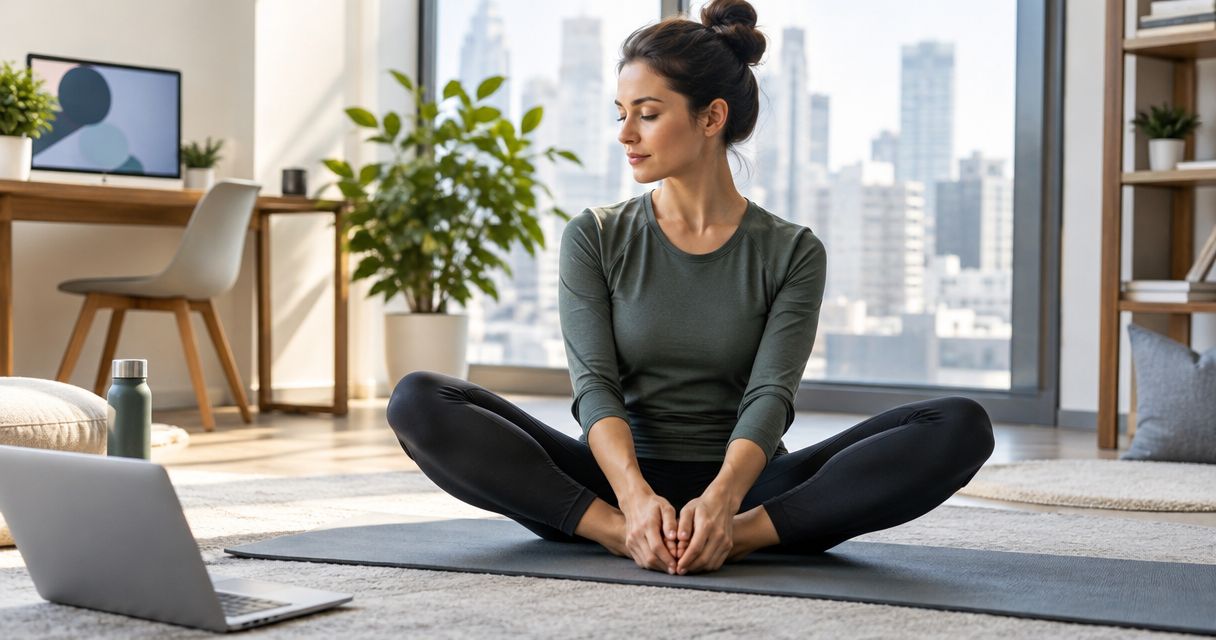
A home session removes travel, but it also removes live instruction. Keep any self-directed practice within movements you already understand, particularly while learning. If you need modifications or have symptoms, seek qualified guidance rather than improvising a demanding stretch.
Your fallback should make the next sensible choice obvious. It does not need to replicate a studio class.
- Reschedule according to the studio's booking rules when work changes.
- Choose a later suitable session only after checking the full time commitment.
- Use familiar, comfortable movements if practicing independently.
- Leave unfamiliar or difficult postures for guided instruction.
- Return to your next planned appointment without trying to make up missed intensity.
Compare your practice options
The best option depends on the experience you want and the guidance you need. The table describes general format differences, not a promise about the content of any particular scheduled class.
| Option | Best for | Main advantage | Key limitation |
|---|---|---|---|
| Self-directed Yin practice | People already familiar with appropriate positions and adjustments | No studio travel; control over your practice window | No instructor present to observe or suggest changes |
| Instructor-led Yin | Newcomers wanting guidance with sustained postures | A teacher can explain positioning and offer modifications | You must match the scheduled session and confirm room conditions |
| Vinyasa | People who prefer flowing yoga sequences | Movement connects postures rather than emphasizing sustained stillness | Less suited to someone specifically seeking a mostly still session |
| 26&2 yoga | People interested in a defined sequence | A recognizable sequence provides a different practice structure | Not interchangeable with Yin; check pace and heat expectations |
| Hot Pilates | People who want exercise-based movement in a heated format | Offers a different movement focus from sustained yoga postures | Heat and exercise intensity require separate consideration |
| Barre | People drawn to ballet-inspired, repetition-based exercise | Provides an alternative to yoga-based movement | Not a substitute for the experience of a Yin class |
| Reformer Pilates | People interested in apparatus-based Pilates | Uses a reformer rather than a yoga-only floor format | Equipment and instruction create a different learning experience |
Do not rank these formats by how productive they look. A quieter class and a movement-focused class serve different preferences; neither needs to win for everyone.
For a first visit, pick the format you actually want to experience. You can explore another option later without treating the original choice as a mistake.
Common mistakes busy professionals make
Booking the smallest gap in the calendar
A gap between meetings is not automatically enough time for class. Include travel, arrival instructions, and the transition afterward before deciding that a session fits.
Correct the calendar before blaming your consistency. If attendance repeatedly requires rushing, choose another window.
Assuming slow means effortless
Yin includes sustained positions, and stillness does not remove the need for adjustments. Tell the instructor when a position is uncomfortable rather than silently waiting for it to end.
Choose a supported variation when offered. There is no need to match someone else's range of movement.
Expecting a guaranteed fix for desk-work symptoms
Do not use Yin as a diagnosis or a promise of relief from back pain, stress, or sleep problems. Persistent or concerning symptoms deserve appropriate professional assessment.
Choose the class because its format suits you. Treat any personal response as something to observe, not an outcome the studio owes you.
Choosing membership before testing the journey
A plan can look convenient until you try the trip after work. Attend, assess the whole appointment, and read the current terms before choosing ongoing membership.
The community at a studio can matter to your experience, but practical fit still matters. Give yourself room to learn what supports a repeatable routine.
FAQ
Is Yin yoga good for beginners who work full time?
Yin yoga is an option for beginners who prefer sustained postures over continuous movement. Choose a class that welcomes newcomers, tell the instructor you are new, and ask for modifications rather than assuming slow means easy.
What should I bring to my first Yin yoga class?
Bring comfortable movement clothing and drinking water, and confirm the studio's mat, towel, and prop requirements before leaving. Follow the specific preparation and arrival instructions for your booked session.
Is every Yin class at a hot yoga studio heated?
Do not assume every Yin class uses the same room conditions as other classes at a hot yoga studio. Confirm the temperature expectations for the specific session before booking, especially if heat affects your comfort or health.
Is Yin yoga better than Vinyasa after work?
Yin suits people seeking sustained positions, while Vinyasa suits people seeking flowing movement. Neither is automatically better after work; choose according to the experience you want and the session you can attend comfortably.
How often should a busy professional attend Yin yoga?
Choose a frequency you can repeat without rushing or ignoring your own limits. Starting with one planned weekly visit is a scheduling suggestion, not a required amount or a guarantee of results.
Can I do Yin yoga at home instead of attending a studio?
Home practice removes travel but does not provide live instructor feedback. Keep self-directed practice within movements and modifications you understand, and seek guidance when positions are unfamiliar or symptoms are present.
Where can I find current Unified Hot Yoga membership information?
Review the Prices page for current introductory options and memberships, then compare the terms with the Schedule. Choose based on sessions you can realistically attend rather than an attendance target you have not tested.
One last thing
Your first useful result is logistical: discovering whether the entire visit fits your life. Before leaving your first class, identify the next appointment you can attend without rushing.
For your 2026 routine, keep that next step small and specific. A realistic place in your calendar is more useful than a promise to become a completely different person after work.