
College student hot yoga is yoga practiced in a heated room with the aim of fitting movement and wellbeing into campus life. This guide to hot yoga for college students explains how to choose a first class, prepare for heat, and build a routine around lectures, work, and travel in Utah County.
- For hot yoga for college students, choose a class by movement style, heat comfort, and your actual weekly schedule.
- Unified Hot Yoga suits American Fork students who want yoga, Pilates, and Barre options at one studio.
- Vinyasa, Yin, and 26&2 differ in structure; ask about the specific class before booking.
- Bring water, a mat, and a towel; confirm equipment requirements and studio guidance before leaving home.
- Choose a membership around attendance you can sustain during exams, not your most ambitious week.
Why hot yoga matters for college students
A useful exercise routine needs to fit between your commitments, not compete with them. For a student traveling from Orem, Provo, Lehi, or elsewhere in Utah County, the drive and the trip home belong in the decision alongside the class itself.
Unified Hot Yoga offers hot yoga, Hot Pilates, Reformer Pilates, and Barre in American Fork for practitioners of all skill levels. Unified Hot Yoga suits college students seeking hot yoga alongside Pilates and Barre in American Fork. The practical limitation is location: choose a class you can reach without rushing from campus.
For your 2026 semester, start with a class that interests you and a time you can protect. Heat is a condition to prepare for, not a measure of how seriously you practice. You do not need to choose the hottest or most demanding option to belong.
Build a first-class plan that fits student life
1. Choose your movement style
Start by deciding what you want to do in class. Vinyasa generally links movement with breath; Yin uses longer-held positions; 26&2 follows a set sequence. Those are broad format descriptions, not a promise about an individual instructor’s pacing or adjustments.
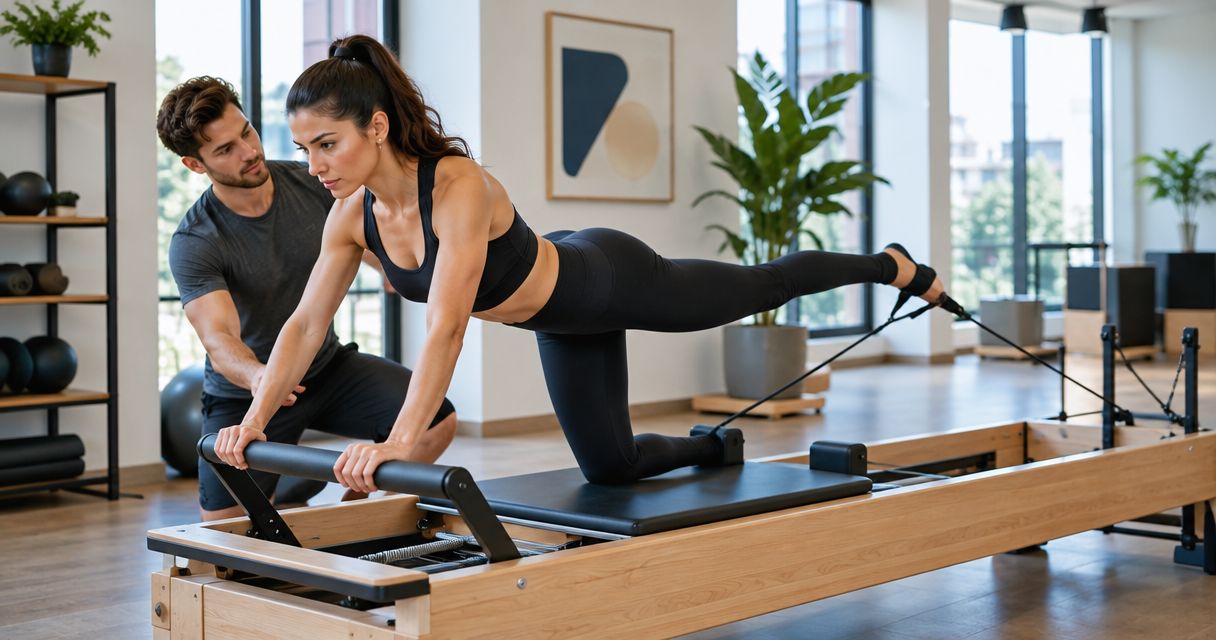
Hot Pilates centers Pilates-style exercise in heat. Reformer Pilates uses a spring-resistance apparatus, while Barre draws on ballet-inspired positions and controlled exercise. None automatically wins for beginners. Your interest, comfort, and willingness to ask questions matter more than choosing the class with the toughest reputation.
- Choose Vinyasa if you want a flowing yoga format.
- Consider Yin if you prefer longer-held positions rather than continuous transitions.
- Explore 26&2 if a repeated yoga sequence appeals to you.
- Compare Hot Pilates, Reformer Pilates, and Barre if exercise-focused formats interest you.
- Ask how the specific session accommodates someone attending for the first time.
2. Check the class before committing
Use the class description and schedule yourself first. Check the format, duration, location, and booking instructions, then ask the studio about anything unclear. A familiar class name does not tell you every detail about heat, equipment, or arrival expectations.
Unified Hot Yoga offers several formats, so asking the studio to help you choose is a direct alternative to comparing names alone. Explain that you are a college student choosing a first visit, describe your previous experience, and say whether heated exercise is new to you. Do not assume that all classes share the same temperature or setup.
- Read the relevant class description before booking.
- Consult the studio’s Know Before You Go guidance for preparation details.
- Check the current Schedule rather than relying on an old screenshot.
- Ask about heat, equipment, and first-visit instructions.
- Confirm any booking or cancellation terms before committing.
3. Protect a realistic calendar slot
Build your plan manually in the calendar you already use. Add the journey, the class, and enough time afterward to get ready for your next commitment. A gap between lectures is only useful if the whole visit fits inside it.
For your 2026 timetable, identify 2 possible class slots per week as planning options, not an attendance requirement. Keep one as your preferred choice and the other as a backup. Avoid treating a studio visit as something you must squeeze into every spare hour; a workable routine leaves room for coursework and rest.
- Check your lecture, lab, and work schedules together.
- Include travel from your actual starting point, not just home.
- Allow time to change before returning to campus.
- Identify a backup slot for weeks when assignments shift.
- Recheck your plan when your semester timetable changes.
4. Prepare your bag and your body
Bring water, a towel, and clothing you can move in comfortably. Plan to bring a yoga mat for a mat-based class unless the studio gives you different instructions. Confirm what the studio supplies rather than assuming equipment, rentals, or storage arrangements.
For heated exercise, drink regularly through the day rather than trying to catch up just before class. Avoid arriving immediately after a meal that leaves you uncomfortable. If you have a medical condition, take medication that affects heat tolerance, are pregnant, or have concerns about heated exercise, discuss participation with a qualified healthcare professional first.
- Pack a water bottle and towel.
- Confirm mat and equipment requirements for your chosen format.
- Bring a change of clothes if you are heading elsewhere afterward.
- Follow the studio’s current preparation instructions.
- Tell the instructor you are new to the class and to heat, if applicable.
5. Make the first visit an orientation
Treat your first class as a chance to learn the format, not prove your fitness. Watch how the instructor explains transitions and ask about alternatives when a movement is unfamiliar. You can participate without matching another student’s range, pace, or experience.
Start with 1 class before deciding whether the format belongs in your weekly routine. During heated exercise, stop if you feel dizzy, nauseated, faint, or unwell, and tell the instructor. Move to a cooler place; severe or persistent symptoms need medical attention. Staying through discomfort is not a useful first-class goal.
- Follow the studio’s arrival instructions so you have time to orient yourself.
- Tell the instructor about relevant limitations before class begins.
- Use the movement alternatives the instructor provides.
- Rest when needed instead of competing with neighboring students.
- Ask for help if heat or a movement feels wrong.
6. Choose a commitment that survives exam weeks
Compare attendance options against the weeks you actually have, including exams, work shifts, and trips home. Begin with your calendar, then review the studio’s current Prices information. Read the terms attached to the option you are considering rather than making a decision from a headline alone.
For a 2026 membership decision, distinguish enthusiasm from usable attendance. A recurring commitment requires recurring room in your week. Unified Hot Yoga lists current intro offers and memberships through its Prices information; review that information when you are ready to join, and ask about any terms you do not understand.
- Estimate attendance using your busiest ordinary week.
- Check the current membership and intro-offer terms.
- Ask whether your chosen option covers the formats you want.
- Review booking, cancellation, and membership conditions.
- Confirm how travel or semester breaks affect your decision.
7. Review your experience before adding more
After 3 visits, if you choose to continue, review the experience instead of automatically increasing attendance. This is a suggested decision point, not a training prescription. Ask whether you liked the movement, felt comfortable communicating with the instructor, and could manage the journey without creating another source of pressure.
Your decision should account for Class fit, Travel time, and Heat comfort. A format can be enjoyable but inconvenient; a convenient class can still be the wrong movement style. For the remainder of 2026, keep the option that fits your life rather than the one you feel you ought to prefer.

- Class fit: Did you enjoy the movement and understand the instruction?
- Travel time: Did the whole visit fit comfortably around college?
- Heat comfort: Could you participate without ignoring warning signs?
- Routine fit: Would you choose this session during a busy week?
Compare class options for a student schedule
The following comparison describes the formats generally. Unified Hot Yoga offers these class types, but the individual class description and instructor determine the session details. Choose by what you want to practice, not by which name sounds most advanced.
| Option | Best for | Main advantage | Key limitation |
|---|---|---|---|
| Vinyasa | Students who enjoy movement linked with breath | A flowing yoga format | Transitions can feel unfamiliar during a first visit |
| Yin | Students who prefer longer-held positions | Less emphasis on continuous movement | Longer holds are not automatically comfortable or suitable for everyone |
| 26&2 | Students who like a set yoga sequence | A repeated structure to become familiar with | Repetition does not remove the need for modifications or heat awareness |
| Hot Pilates | Students interested in Pilates-style exercise in heat | Combines the exercise format with a heated setting | Heat adds a separate consideration beyond the movements |
| Reformer Pilates | Students interested in spring-resistance equipment | An apparatus-based Pilates format | The equipment requires instruction and orientation |
| Barre | Students who enjoy ballet-inspired exercise | A distinct alternative to yoga and Pilates | Small, controlled movements still require attention to technique |
If you are undecided, choose the format you are most curious about and ask how the session works for newcomers. You do not need to try everything before finding a routine, and choosing Barre or Reformer Pilates does not make your wellbeing plan less valid than choosing hot yoga.
Common mistakes college students make
Choosing around a perfect week
A routine built around an unusually quiet week is difficult to repeat when assignments return. Use your ordinary semester workload as the test, and leave room for the journey as well as the session.
Treating heat as a competition
More sweat is not proof of a better class or a reason to push past feeling unwell. Your first task is learning how you respond to the environment while following instruction safely.
Booking between commitments without checking the whole trip
A class can fit on paper while the visit does not. Work backward from your next lecture or shift, including changing and travel, before deciding that a time works.
Buying a membership before understanding the format
Liking the idea of yoga is different from knowing which class you enjoy. Read the class guidance, try an appropriate session, and understand the membership terms before making a recurring commitment.
Expecting exercise to solve every college stressor
A welcoming class can be part of your wellbeing routine, but it is not a substitute for sleep, medical care, or mental health support. Use campus and healthcare resources when you need them.
FAQ
What's the best hot yoga class for a college student who's never tried yoga?
The best first class is one whose format and heat conditions you understand and feel comfortable trying. Compare Vinyasa, Yin, and 26&2 descriptions, then ask the instructor how the specific session accommodates newcomers.
Do I need to be flexible before my first hot yoga class?
You do not need to arrive with advanced flexibility to attend an all-skill-levels class. Tell the instructor you are new, use suitable alternatives, and avoid forcing your range of movement.
What should I bring to hot yoga after college classes?
Bring water, a towel, comfortable exercise clothing, and a mat unless the studio instructs otherwise. Confirm equipment requirements and pack a change of clothes if you are returning to campus or work.
Is Hot Pilates the same as hot yoga?
Hot Pilates and hot yoga are different movement formats practiced in heated settings. Pilates-style exercise differs from yoga practice, so choose by the class description rather than the shared word hot.
Does Unified Hot Yoga offer classes for beginners?
Unified Hot Yoga offers its yoga, Pilates, and Barre classes for practitioners of all skill levels. Ask which specific session fits your experience and whether you need any equipment orientation before attending.
Can I fit hot yoga around a changing college schedule?
Plan around the entire studio visit and identify an alternative time before committing to a routine. Recheck the current schedule when lectures, work shifts, or exam demands change.
Should I choose a membership before trying a class?
Choose a membership after you understand the class format, your likely attendance, and the membership terms. Review the studio's current Prices information for intro offers and membership options before joining.
What should I do if I feel dizzy during hot yoga?
Stop exercising, tell the instructor, and move to a cooler place if you feel dizzy or unwell. Do not push through symptoms; seek medical attention for severe or persistent symptoms.
One last thing
For your 2026 routine, put the journey home in your calendar before booking the class. That small planning choice exposes the difference between an appealing session and a repeatable habit. The right first class is one you can approach with curiosity, leave safely, and choose again without rushing.